

7 Powerful Facts About Simethicone Dosage: Safe Relief or Risky Mistake?
Many people reach for simethicone when gas, bloating, or a painfully tight stomach strikes. But using the right simethicone dosage is crucial. Too little may not help. Too much may bring avoidable risks or mask a more serious problem.
This guide breaks down how simethicone works, exact adult and child doses, and how to use it safely. You’ll also learn whether simethicone makes you fart, when to worry, and how to combine it with lifestyle changes for lasting relief. 😊
Fact 1: Simethicone Works on Gas Bubbles, Not Your Digestive System
Simethicone is an antiflatulent, not a painkiller and not an antacid. It does one main thing:
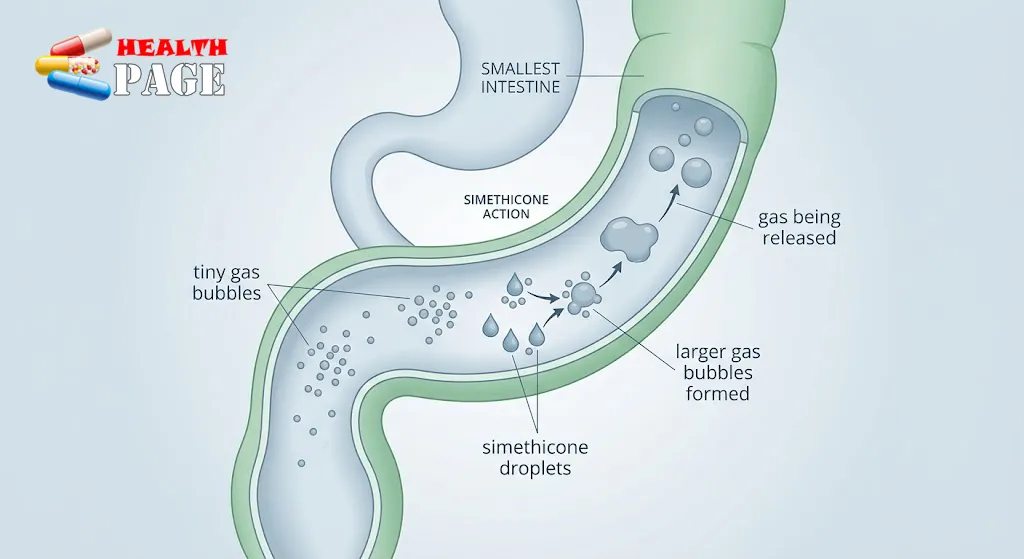
It changes the surface tension of gas bubbles in your stomach and intestines.
How it actually works
- Tiny gas bubbles cling together in your gut.
- Simethicone helps these tiny bubbles combine into larger ones.
- Larger bubbles are easier to move and release.
- You may fart or burp more easily, which brings relief.
So if you’ve wondered, “does simethicone make you fart?” — yes, it often does.
But that’s a good sign: it means trapped gas is getting out instead of stretching your intestines and causing pain.
What simethicone does not do
- It does not create gas.
- It does not prevent gas from forming.
- It does not speed up digestion.
- It does not get absorbed into your blood.
Because simethicone is not absorbed systemically, it stays inside your gut and is then excreted. This is a big reason it has a strong safety profile for most people when taken at the correct simethicone dosage.
Fact 2: Simethicone Dosage for Adults Is Clear – But Many People Still Misjudge It
For adults and teens (usually age 12 and older), simethicone comes in several strengths. Understanding the right simethicone dosage for adults can help you use it confidently and avoid overuse.
Standard adult strengths you’ll see
Common over-the-counter forms include:
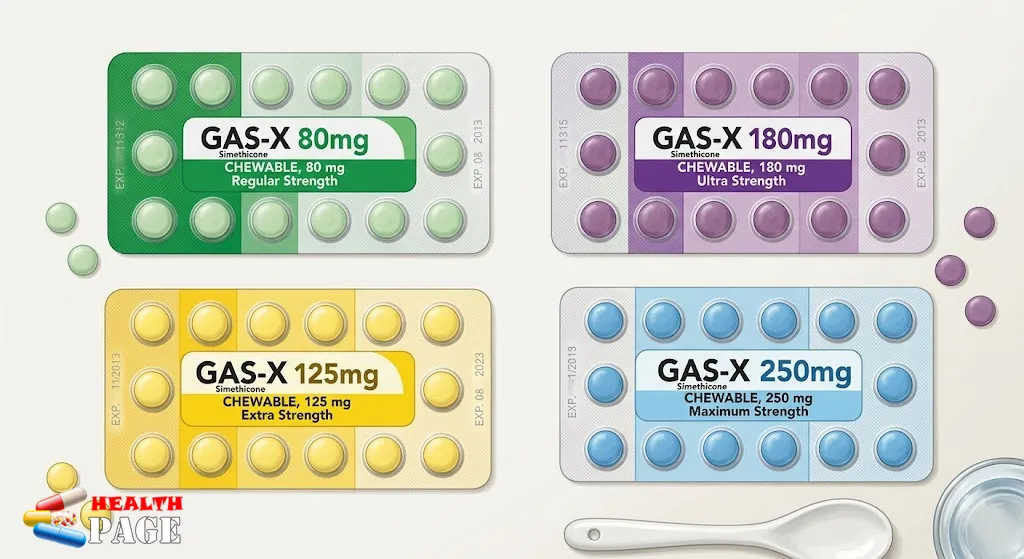
- Simethicone 80 mg chewable tablets
- Extra Strength: 125 mg
- Ultra Strength: 180 mg
- Maximum Strength: 250 mg
- Drops and liquids (varied mg per mL)
These strengths sound confusing, but the dosing pattern is simple.
Typical adult simethicone dosage
For dyspepsia and flatulence (gas and bloating), adults and children ≥12 years usually take:
- Chewable 80 mg tablets
- Dose: 80–160 mg after meals and at bedtime
- That’s 1–2 tablets of simethicone 80 mg per dose
- Extra Strength 125 mg
- Dose: 125–250 mg after meals and at bedtime
- That’s 1–2 tablets or capsules per dose
- Ultra Strength 180 mg
- Dose: 180–360 mg once after a meal or at bedtime
- Maximum Strength 250 mg
- Dose: 250–500 mg once after a meal
- Maximum daily dose for adults:
- 500 mg in 24 hours
It’s tempting to match each dose to every meal and snack, but that can push you over the 500 mg/day limit if you are not careful.
Real-life example
You eat a heavy dinner and feel bloated:
- You take 160 mg (two 80 mg chewable tablets) after dinner.
- At bedtime, you still feel pressure, so you take another 80 mg.
- Total for the evening: 240 mg, which is still within the daily 500 mg limit.
To stay safe, always add up how many milligrams you’ve taken in the last 24 hours.
Fact 3: Simethicone 80 mg Is Common – But Strength Isn’t Everything
Many people assume that simethicone 80 mg is weaker and “safer,” but what really matters is the total daily amount.
Why 80 mg products are popular
- Widely available as chewable tablets.
- Often labeled for gas relief or anti-gas.
- Easy to take after meals and at bedtime.
Typical adult dosing for simethicone 80 mg:
- 80–160 mg after meals and at bedtime
- Maximum total: 500 mg in 24 hours
That usually means:
- Up to 2 tablets (160 mg) after each main meal.
- Possibly 1–2 tablets at bedtime, if needed.
- But you must stop when you reach 500 mg for the day.
Practical tip
If you already used 160 mg twice (lunch and dinner), that’s 320 mg. You only have 180 mg left before you hit the 500 mg limit. So you could safely take:
- One 180 mg ultra strength tablet, OR
- Up to two more 80 mg tablets (160 mg) and still be under the limit.
Reading labels and doing quick mental math keeps your simethicone dosage safe and effective.
Fact 4: Does Simethicone Make You Fart? Yes—And That’s Usually the Point
It’s one of the most searched questions: “does simethicone make you fart?”
The honest answer:
- Yes, it can increase farting and belching.
- But it does not create new gas.
What’s actually happening
- Before taking simethicone, gas may be trapped in many small bubbles.
- These bubbles stretch your intestines and cause that tight, painful feeling.
- Simethicone lets bubbles merge into larger ones.
- Your body then gets rid of them by farting or burping more easily.
So if you find yourself passing gas after a dose, that usually means:
- The medicine is doing its job.
- Trapped gas is leaving your system.
When extra gas might be a concern
If you notice:
- Ongoing, severe bloating
- Pain with fever, vomiting, or blood in stool
- Weight loss or very frequent diarrhea
Then the problem may not be simple gas. In that case, see a healthcare provider. Don’t rely on increasing your simethicone dosage to fix it.
For a deeper overview of gas and bloating, reputable medical resources like the Mayo Clinic offer helpful information on gas and gas pains according to article/topic.
Fact 5: Simethicone Dosage by Weight for Children Must Be Precise
Children are not just “small adults.” Their organs, metabolism, and body water are different. That’s why simethicone dosage by weight child guidelines matter so much.
Pediatric dosing for flatulence
Simethicone drops and liquids are often used for infants and kids with gas. Typical guidance:
By age
- Infants < 2 years
- Dose: 20 mg after meals and at bedtime
- Maximum: 240 mg/day
- Children > 2 years
- Dose: 40 mg after meals and at bedtime
- Maximum: 480 mg/day
By weight (more precise)
- < 10.9 kg (about < 24 lb)
- Dose: 20 mg per dose
- Maximum: 240 mg/day
- ≥ 10.9 kg (about ≥ 24 lb)
- Dose: 40 mg per dose
- Maximum: 480 mg/day
How to give simethicone to children safely
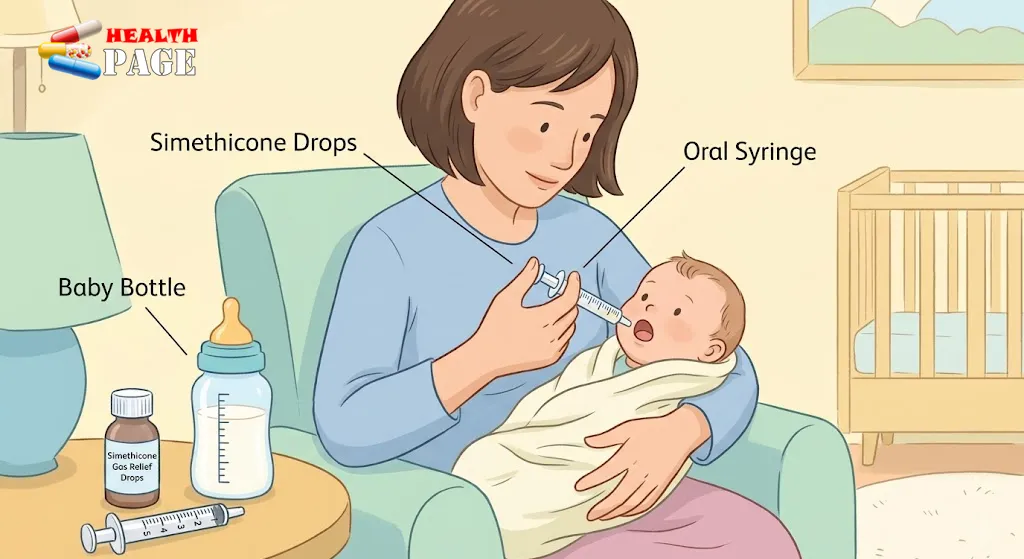
- Use the enclosed dropper or syringe for liquid products.
- Measure carefully to avoid underdosing or overdosing.
- You may mix the drops with water, breastmilk, formula, or juice.
- For infants, a few drops on the inside of the cheek during or after feeding can be helpful.
Simple example
Your 9‑month‑old weighs 9 kg (<10.9 kg):
- You can give 20 mg per dose, after feeds and at bedtime.
- Do not exceed 240 mg total in 24 hours.
- Check the product label to see how many mL equals 20 mg.
If you’re ever unsure about simethicone dosage by weight child, ask a pediatrician or pharmacist before giving more.
Fact 6: Timing, Bedtime Doses, and Storage Can Affect How Well It Works
Simethicone seems simple, but how and when you take it matters.
Best times to take simethicone
- After meals
- Gas often builds after eating, especially meals high in fat, beans, or carbonated drinks.
- Taking simethicone after meals helps address the gas as it forms.
- At bedtime
- A bedtime dose may provide overnight relief, especially if you often wake with bloating or early-morning gas.
- Many adults take a dose after dinner and another at bedtime, while staying under the 500 mg/day maximum.
How to take it
- Chewable tablets: Chew thoroughly before swallowing.
- Capsules/softgels: Swallow with a glass of water.
- Drops/suspensions: Shake the bottle if the label instructs. Measure with the provided tool.
Storage and safety tips
- Store simethicone in a dry place, away from humidity and heat.
- Protect suspensions (liquids) from moisture.
- Many liquid products should be discarded after 28 days once opened (check your label).
- Keep all forms out of reach of children.
Key precautions
- Do not use if you have a known hypersensitivity to simethicone or any ingredient in the product.
- Because it isn’t absorbed, systemic side effects are rare.
- Excessive use may interfere with stool occult blood tests, potentially giving false-negative results.
If you are scheduled for such tests, tell your healthcare provider about your simethicone use.
Fact 7: Simethicone Is Safe for Most – But It’s Not a Cure-All
The safety profile of simethicone is one of its biggest strengths. But like any medication, it has limits.
Why it’s considered safe
- Not absorbed into your bloodstream.
- Acts locally in your gut.
- Usually well tolerated in adults, children, and infants when used correctly.
- Can be used for short-term discomfort without a prescription.
Potential side effects or concerns
Though rare, keep these in mind:
- Mild digestive changes (very uncommon).
- Possible interaction with stool blood tests.
- Hypersensitivity reactions in people allergic to ingredients.
If symptoms like rash, severe abdominal pain, vomiting, fever, or blood in stool appear, stop using it and seek medical help.
Simethicone doesn’t fix the cause of gas
Simethicone helps release gas. It doesn’t stop your body from producing it. For longer-term relief, pair the right simethicone dosage with lifestyle steps:
- Eat slowly and chew thoroughly.
- Limit carbonated drinks and beer.
- Avoid chewing gum and sucking on hard candy (they increase swallowed air).
- Track which foods trigger your gas (like beans, onions, or lactose).
- Discuss persistent gas with your doctor, especially if it changes suddenly.
For credible general guidance on digestive health, the Cleveland Clinic offers helpful advice on gas and bloating according to article/topic.
Quick Comparison Table: Simethicone Dosage at a Glance
| Group | Typical Dose (per dose) | Max Daily Dose | Notes |
|---|---|---|---|
| Adults | 80–250 mg after meals and/or at bedtime | 500 mg | Bedtime dose may help with overnight gas |
| Infants < 2 years | 20 mg after meals and at bedtime | 240 mg | Mix with formula or liquid |
| Children > 2 years | 40 mg after meals and at bedtime | 480 mg | Weight-based dosing preferred |
| 80 mg tablets | 80–160 mg after meals and at bedtime | 500 mg | Very common OTC strength |
This table can serve as a reference, but always confirm with product labels and your healthcare provider, especially for children.
FAQs About Simethicone Dosage, Gas, and Safety
1. How often can I take simethicone in a day?
Most products allow dosing after meals and at bedtime, but you must stay under:
- Adults: 500 mg in 24 hours
- Infants/Children: Follow age- or weight-based maximums (240–480 mg/day)
Do not extend use for many days in a row without checking with your doctor if symptoms persist.
2. Does simethicone make you fart more?
Yes, it often does. Simethicone helps trapped gas escape more easily. That usually means:
- More burping or farting.
- Less painful pressure and bloating.
It does not create extra gas; it just lets existing gas move out.
3. Can I give simethicone to my newborn?
Simethicone drops are commonly used for infants, including newborns, but you should:
- Use the exact dose recommended on the infant product.
- Often 20 mg per dose for infants <2 years, up to 240 mg/day.
- Ask your pediatrician if your baby is very fussy or has other symptoms (vomiting, fever, poor feeding, or blood in stool).
4. Is simethicone safe to take every day?
Short-term use is generally considered safe when you follow the recommended simethicone dosage. However:
- Daily, long-term need for simethicone can signal an underlying digestive issue.
- If you rely on it most days of the week, discuss this with a healthcare provider.
They may screen for conditions like lactose intolerance, IBS, or food sensitivities.
5. Can simethicone interact with other medications?
Simethicone is not absorbed systemically and has few known drug interactions. Still:
- Always mention it to your doctor or pharmacist.
- Be careful with combination products that include antacids, painkillers, or bismuth, so you don’t accidentally double up on ingredients.
6. Can I use simethicone for heartburn?
Simethicone can ease gas-related discomfort that sometimes accompanies heartburn, but it:
- Does not neutralize stomach acid.
- Is different from antacids or acid reducers (like omeprazole or famotidine).
If burning in your chest or throat is your main problem, ask your provider about acid-focused treatment instead.
Conclusion: Using Simethicone Dosage Wisely for Real Relief
When used correctly, simethicone is a gentle, reliable ally against gas, bloating, and that uncomfortable “inflated” feeling. Understanding the right simethicone dosage—for adults, children, and infants—helps you:
- Get faster, more predictable relief.
- Avoid exceeding safe maximum daily amounts.
- Know that extra farting or burping can actually mean progress.
Remember:
- Adults: usually 80–250 mg after meals and/or at bedtime, up to 500 mg/day.
- Infants and children: follow age and simethicone dosage by weight child guidelines, and always measure carefully.
- Simethicone eases trapped gas, but does not prevent gas formation.
If your gas is frequent, painful, or changes suddenly, pair smart dosing with a conversation with your healthcare provider. With the right combination of simethicone, mindful eating, and attention to triggers, you can move toward calmer, more comfortable digestion—and less worry about what’s happening in your gut. 🌿