
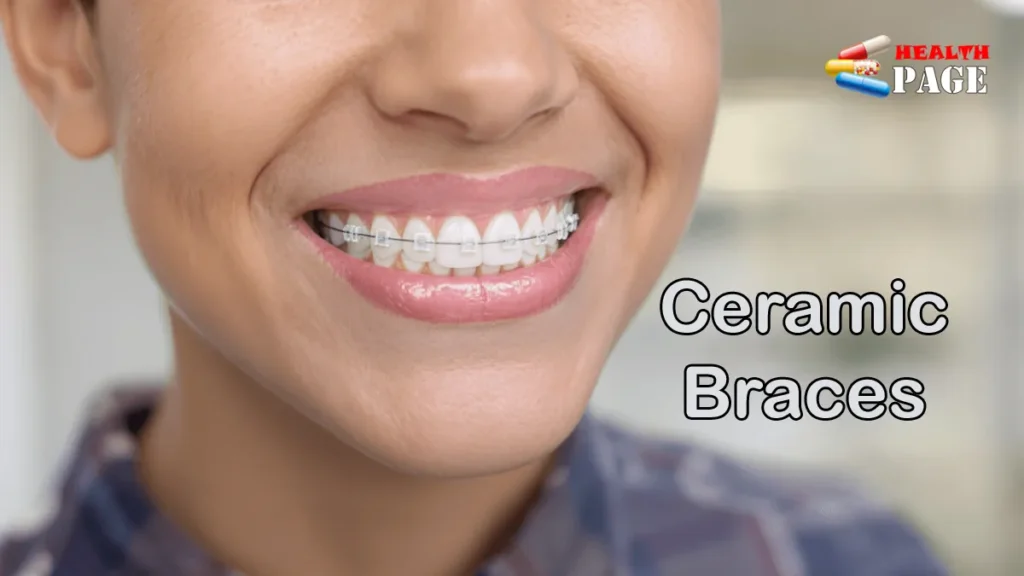
What is ceramic braces, its Pros and cons

Dr. Suleman Khan is a registered Dental Surgeon dedicated to modern preventative oral health, maxillofacial insights, and advanced clinical treatment approaches. Based at the prestigious
Government Dental College and Hospital in Ahmedabad and registered under the Dental Council of India, he brings extensive hands-on experience in public health dentistry and preventative medicine.
As a core specialist panelist on the HealthPage Medical Review Board,
Dr. Khan provides expert clinical oversight, rigorous fact-checking, and medical verification for our oral health and dental surgery articles. He focuses on simplifying dense orthodontic and hygienic concepts into accessible, safe, and actionable guidance that reflects current healthcare standards.
✉ Professional Inquiries:
[email protected]
⚖️ Orthodontic Review & Disclaimer
This clinical overview was authored by Dr. Suleman Khan (Dental Surgery). The technical breakdown of ceramic braces, material composition, structural pros and cons, and orthodontic adjustments is intended strictly for educational, informational, and consumer-guidance purposes. It does not substitute for a formal clinical diagnosis, panoramic X-ray evaluation, or a personalized orthodontic treatment plan.
While clear and polycrystalline ceramic brackets offer exceptional aesthetic advantages, individual alignment complexities, bite forces, and root lengths dictate whether clear braces are clinically viable for your teeth. Always consult a licensed orthodontist or primary dental surgeon for an official chairside consultation. Never delay or disregard professional dental recommendations due to material read on this website.
Ceramic braces offer a discreet solution for teeth straightening, using clear or tooth-colored brackets instead of metal ones. These orthodontic devices work just like traditional braces to fix various dental alignment issues.
Think of ceramic braces as your invisible helper – they’re there to guide your teeth into perfect alignment without drawing attention to your smile. The brackets attach to your teeth with special dental cement, connected by a thin wire that applies gentle pressure.
Many adults choose ceramic braces because they blend with natural tooth color. They provide effective teeth straightening while staying almost hidden from view during daily activities like:
- Business meetings
- Social gatherings
- Photo sessions
- Video calls
This guide will help you understand if ceramic braces are right for you. We’ll explore their benefits, potential drawbacks, and what to expect during treatment. You’ll learn everything needed to make a smart choice about your dental care journey.
Understanding Ceramic Braces
Ceramic braces combine advanced dental technology with aesthetic appeal. These orthodontic brackets are made from aluminum oxide – a clear, strong material that matches your natural tooth color.
Key Components of Ceramic Braces:
- Ceramic Brackets: Clear or tooth-colored squares attached to each tooth
- Metal Archwire: A thin wire running through all brackets
- Elastic Ties: Small rubber bands holding the wire to brackets
The installation process starts with cleaning and drying your teeth. Your orthodontist applies a special bonding agent to create a strong connection between your tooth enamel and the ceramic brackets.
The Science Behind the Materials
Aluminum oxide creates brackets that are:
- Stain-resistant
- Durable under normal bite pressure
- Clear or matched to your tooth shade
- Safe for long-term dental wear
The archwire guides your teeth’s movement through gentle, constant pressure. Your orthodontist adjusts this wire every few weeks to keep your teeth moving in the right direction.
Visual Benefits
Ceramic braces offer a subtle appearance that many patients prefer:
- Nearly invisible from a distance
- Blend naturally with your smile
- Less noticeable in photos
- Match your natural tooth color
Metal braces stand out with their silver brackets and wires. Ceramic braces hide in plain sight – most people won’t notice them in casual conversation.
Your orthodontist can customize the shade of your ceramic brackets to match your teeth. This personalization helps create a seamless look throughout your treatment.
The brackets stay clear or tooth-colored throughout your treatment. The elastic ties might need regular changes to maintain their clean appearance.
How Ceramic Braces Work
The teeth realignment process with ceramic braces follows a precise, step-by-step approach:
1. Initial Positioning
- Your orthodontist places ceramic brackets on each tooth
- A thin wire threads through these brackets
- Small elastic bands secure the wire in place
2. Active Movement Phase
- The archwire creates gentle pressure on your teeth
- Each tooth shifts about 1mm per month
- Your teeth move in specific directions based on your treatment plan
3. Adjustment Appointments
- Regular visits every 4-6 weeks
- Your orthodontist changes wires or adjusts tension
- New elastic bands replace stained ones
The typical treatment timeline breaks down into three main phases:
1: Alignment (3-6 months)
- Teeth start moving into proper position
- Crowding issues begin to resolve
- Spaces between teeth start closing
2: Bite Correction (6-12 months)
- Focus shifts to fixing bite issues
- Upper and lower teeth alignment improves
- Jaw position adjustments occur if needed
3: Fine-Tuning (3-6 months)
- Small adjustments perfect tooth positions
- Bite relationship receives final touches
- Preparation for braces removal begins
Most patients wear ceramic braces for 18-36 months. Your specific treatment time depends on:
- Starting tooth position
- Amount of correction needed
- How well you follow care instructions
- Your age and oral health
- Regular attendance at adjustment appointments
Advantages of Choosing Ceramic Braces
Ceramic braces offer a discreet path to achieving your perfect smile. The clear or tooth-colored brackets blend with your natural teeth color.
Key Benefits of Ceramic Braces:
1. Near-Invisible Appearance
- Clear or tooth-colored brackets match your teeth
- Transparent elastic ties available
- Perfect for professional settings
- Ideal for photo opportunities
2. Metal-Free Alternative
- Safe for patients with nickel allergies
- Reduced risk of allergic reactions
- Comfortable wear without metal sensitivity
- Compatible with medical imaging tests
3. Effective Treatment Speed
- Moves teeth faster than clear aligners
- Applies consistent pressure for alignment
- Treatment time similar to metal braces
- No risk of forgetting to wear them
These braces shine in professional settings where appearance matters. Many adults choose ceramic braces to maintain their confidence during business meetings.
The ceramic material creates a comfortable experience for sensitive patients. People with metal allergies can straighten their teeth without worry about adverse reactions.
Treatment speed remains a significant advantage of ceramic braces. Unlike removable aligners, these fixed appliances work 24/7 to move your teeth.
The brackets come in various shades to match different tooth colors. Your orthodontist can select the perfect shade for your smile.
Ceramic braces allow you to eat most foods without restrictions. The strong ceramic material handles normal biting forces well.
You can customize the look of your braces with colored ties. This feature lets you express yourself while maintaining a professional appearance.
Many patients report feeling more confident during their treatment. The subtle appearance helps them focus on their daily activities without self-consciousness.
Disadvantages to Consider with Ceramic Braces
The cost of ceramic braces ranges from $4,000 to $8,000 – a price tag that sits higher than traditional metal braces.
Many dental insurance plans offer limited coverage for ceramic braces, classifying them as a cosmetic choice. This leaves patients responsible for a larger portion of treatment costs.
Common Comfort Issues
- Ceramic brackets measure slightly larger than metal ones
- The bigger size can create extra pressure on surrounding teeth
- Some patients report increased friction against their inner cheeks
- Brackets might feel bulkier during speaking or eating
Durability Concerns
- Ceramic materials show twice the likelihood of breaking compared to metal
- Brackets can chip from:
- Biting hard foods
- Contact sports
- Accidental impacts
- Daily wear and tear
The delicate nature of ceramic brackets requires special care during:
- Eating
- Brushing teeth
- Playing sports
- Sleeping
Replacing broken ceramic brackets costs more than metal ones. Each replacement visit adds extra expenses to the total treatment cost.
The brackets’ size affects cleaning routines too. Food particles get trapped easier around larger ceramic brackets. This creates:
- Higher risks of tooth decay
- Potential gum problems
- Need for more thorough cleaning
- Extra time spent on oral hygiene
Ceramic braces need gentler handling during adjustments. Orthodontists must take special care when:
- Tightening wires
- Changing elastic bands
- Making alignment corrections
- Removing brackets at treatment end
These careful handling requirements often lead to longer appointment times. Patients might need more frequent visits to maintain their ceramic braces properly.
Comparing Ceramic Braces with Other Orthodontic Options
Let’s explore how metal braces vs ceramic braces vs clear aligners stack up against each other:
Visibility and Aesthetics
- Metal braces: Silver-colored brackets stand out against teeth
- Ceramic braces: Clear or tooth-colored brackets blend naturally
- Clear aligners: Nearly invisible when worn
Treatment Speed
- Metal braces: 18-24 months average treatment time
- Ceramic braces: 18-36 months treatment duration
- Clear aligners: 12-18 months for minor cases, though treatment speed can vary based on individual circumstances
Durability Factors
- Metal braces: Strongest material, resistant to breaks
- Ceramic braces: More fragile, needs gentle care
- Clear aligners: Replaceable every 2 weeks, less durability concern
Cost Comparison
- Metal braces: $3,000 – $6,000
- Ceramic braces: $4,000 – $8,000
- Clear aligners: $3,000 – $7,000
Maintenance Requirements
- Metal braces: Standard oral hygiene routine
- Ceramic braces: Extra care to prevent staining
- Clear aligners: Daily cleaning and removal during meals
Treatment Flexibility
- Metal braces: Fixed to teeth, treats complex cases
- Ceramic braces: Fixed to teeth, handles moderate to severe issues
- Clear aligners: Removable, best for mild to moderate cases
Each option brings unique benefits to the table. Metal braces excel in strength and reliability. Ceramic braces balance aesthetics with effective treatment. Clear aligners offer convenience with limited correction capabilities.
Who Should Consider Ceramic Braces?
Ceramic braces are a great option for certain groups of adults looking for teeth straightening solutions. Let’s see if you’re a good fit:
Perfect candidates include:
- Working professionals who need a subtle orthodontic solution
- Public speakers or people in customer-facing roles
- Individuals with metal sensitivities or allergies
- Patients requiring complex teeth alignment beyond what clear aligners can fix
- Adults wanting effective treatment without the obvious look of metal braces
Ceramic braces work best for patients with:
- Severe bite issues
- Rotated teeth
- Large gaps between teeth
- Significant overcrowding
These braces are valuable for adults who can’t use clear aligners but want a discreet treatment option. The ceramic brackets blend with natural tooth color, making them less noticeable in photos and daily interactions.
Not recommended for:
- Young children or teens prone to rough play
- Patients with severe teeth grinding habits
- People seeking the most budget-friendly option
- Those requiring minimal teeth movement
- Individuals who struggle with detailed cleaning routines
Your lifestyle and dental needs are important factors in deciding whether ceramic braces are right for you. To find out if ceramic braces are suitable for your specific situation, it’s best to consult an orthodontist.
Maintenance Tips for Ceramic Braces Users
Taking care of ceramic braces needs special attention to keep them looking clean and working well. Here are essential ceramic braces care tips to protect your investment:
Daily Cleaning Routine
- Brush after every meal with a soft-bristled toothbrush
- Use non-abrasive toothpaste to avoid scratching the ceramic
- Clean between brackets with interdental brushes
- Rinse with water after drinking colored beverages
Foods to Avoid
- Coffee and dark tea
- Red wine
- Curry and tomato-based sauces
- Berries and deeply colored fruits
- Soy sauce and balsamic vinegar
Smart Habits for Bracket Protection
- Cut food into small pieces
- Avoid biting directly with front teeth
- Stay away from hard candies and nuts
- Don’t chew on ice or pen caps
Professional Care
- Schedule regular cleaning appointments
- Ask for clear or white elastic ties
- Replace stained elastics during check-ups
- Report any loose or damaged brackets right away
Quick Stain Prevention Tips
- Drink colored beverages through a straw
- Rinse mouth with water after eating
- Use whitening toothpaste approved by your orthodontist
- Consider water flossers for deeper cleaning
If you’re considering an alternative to traditional metal braces, you might want to explore the option of clear braces. These can provide a more aesthetic solution while still delivering effective results.
Making an Informed Decision About Your Orthodontic Treatment Plan
Choosing ceramic braces requires careful thought about your lifestyle, budget, and treatment goals. Here’s a quick decision guide to help you:
Consider Your Priorities:
- Appearance during treatment
- Treatment timeline
- Cost considerations
- Lifestyle habits
- Maintenance commitment
Your orthodontist can create a treatment plan that matches your needs. They’ll examine your teeth alignment, bite issues, and discuss your preferences.
Book an appointment with a qualified orthodontist near you to:
- Get a detailed assessment
- Learn about treatment options
- Understand costs and insurance coverage
- Ask questions about maintenance
- Discuss potential challenges
Remember – each smile is unique. What works for others might not work for you. A professional evaluation helps ensure you pick the right option for your perfect smile.
Frequently Asked Questions (FAQs)
1. What is the main difference between ceramic braces vs metal braces?
The primary difference is visibility. Traditional metal braces use highly noticeable stainless steel brackets, while ceramic braces utilize clear or tooth-colored polycrystalline alumina brackets that blend naturally with your tooth enamel. Functionally, they work the same way to realign your teeth, though ceramic brackets are slightly bulkier and more fragile than metal.
2. Do clear ceramic braces stain easily?
The modern ceramic brackets themselves are highly stain-resistant and will not discolor from food or drinks. However, the clear or white elastic bands (ligatures) that tie the archwire to the brackets can stain from dark foods and beverages like coffee, red wine, mustard, and curry. These bands are completely replaced by your orthodontist at every adjustment visit.
3. Are ceramic braces more expensive than metal ones?
Yes. The material costs for high-grade ceramic and the specialized manufacturing process make them more expensive. On average, the cost of ceramic braces ranges from $500 to $2,000 more than traditional metal braces, depending on your geographic location, your insurance coverage, and the complexity of your orthodontic treatment.
4. Do ceramic braces take longer to straighten teeth?
Because ceramic brackets create slightly more friction against the metal archwire than stainless steel brackets do, teeth can sometimes move a bit more slowly. In complex alignment cases, this can extend your overall treatment timeline by a few months compared to traditional metal systems.
5. Are ceramic brackets painful or uncomfortable?
Most patients report that ceramic brackets feel smoother against the inside of the lips and cheeks than sharp metal brackets, resulting in less initial irritation. However, like all orthodontic appliances, you will feel temporary soreness and pressure for a few days immediately following your installation and after each regular wire tightening.
6. Can ceramic braces break easily?
While they are perfectly durable for everyday chewing, ceramic is a more brittle material than stainless steel. They are more prone to fracturing or chipping if you bite down on hard foods, play high-contact sports without a mouthguard, or subject them to heavy structural bite forces.


Pingback: Dental Curing Light: Why Dentists Use It for Fillings (Is It Safe?)