
Pain in the Pubic Bone While Pregnant: Causes, Relief, and When to Seek Help
Written by: Dr. Wang Zhixin (Gynecology)
The content provided in the article “Pain in the Pubic Bone While Pregnant: Causes, Relief, and When to Seek Help” is for informational and educational purposes only and is not intended as a substitute for professional medical advice, diagnosis, or treatment. Always seek the advice of your obstetrician, gynecologist, or other qualified healthcare provider with any questions you may have regarding pregnancy symptoms or medical conditions. Never disregard professional medical advice or delay seeking it because of something you have read in this article. If you are experiencing severe pain or think you may have a medical emergency, contact your doctor or local emergency services immediately.
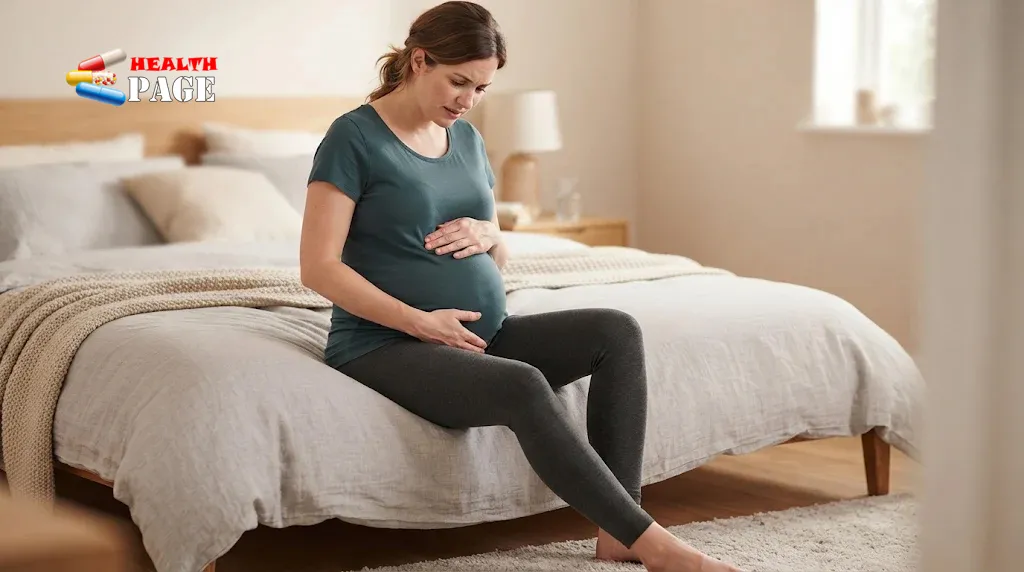
Pain in the pubic bone while pregnant catches many people off guard. It might show up as a sharp twinge when you roll over in bed, an ache at the front of the pelvis after a walk, or a pulling sensation when you step out of the car. Most of the time this is pregnancy-related pelvic girdle pain, a recognised and treatable condition rather than a sign that something is wrong with your baby. The NHS estimates that it affects up to 1 in 5 pregnant women to some degree, and it is not harmful to the baby.
That doesn’t make it something to simply put up with. A 2026 clinical review in the BMJ describes the condition as common, but not a normal consequence of pregnancy that deserves proper assessment. This guide explains what is happening in your pelvis, what tends to help, and which symptoms mean you should call your midwife rather than wait.
What is happening at the pubic symphysis?
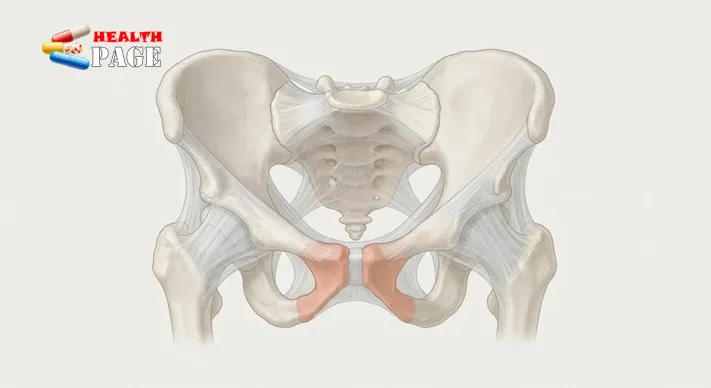
The two pubic bones sit at the front of your pelvis and meet in the middle at a joint called the pubic symphysis. It is a cartilage joint held together by strong ligaments, and it allows only a very small amount of movement. Together with the two sacroiliac joints at the back, it forms part of the pelvic girdle, the ring of bones and joints that links your spine to your legs.
Several terms get used for pain in this area, and the overlap is confusing. Pelvic girdle pain (PGP) is the broad term and covers pain at the front or back of the pelvis. Symphysis pubis dysfunction (SPD) is an older label, still widely used, for pain centred on the front joint. The NHS treats the two as overlapping descriptions of the same problem: stiff or unevenly moving pelvic joints that cause pain and make everyday movement harder.
One distinction matters for your peace of mind. During pregnancy the pelvic joints naturally become more mobile, and that softening is normal. It does not mean the pubic bones have separated abnormally, and a diagnosis of PGP or SPD does not automatically mean they have. Pubic symphysis separation does occur in some cases, but it is only one possible explanation for the pain, and most women with PGP are diagnosed without any scan.
Anatomical illustration of the female pelvis
Why does pubic bone pain happen in pregnancy?
Nobody can point to a single cause. The NHS says it is not known exactly why some women develop PGP, though it is thought to involve previous damage to the pelvis, pelvic joints moving unevenly, and the weight or position of the baby. Clinicians generally describe it as multifactorial, and a few contributors come up repeatedly.
Hormones. Relaxin and other pregnancy hormones make ligaments more flexible, which helps the pelvis accommodate birth. Hormones are part of the picture, but they are not the whole explanation, and having very flexible joints does not guarantee pain. Women with little obvious laxity can still develop PGP.
Changing load and movement. As the baby grows, your centre of gravity shifts forward and your posture and gait adapt. The pelvic joints and the muscles around them take on more work, particularly with one-legged movements such as climbing stairs or pulling on trousers. If the abdominal, pelvic floor, hip, and back muscles aren’t sharing that load evenly, one side of the pelvis can end up doing more than its share.
Your history. The NHS lists several factors that make PGP more likely: a past history of lower back or pelvic girdle pain, a previous pelvic injury such as a fall or accident, PGP in an earlier pregnancy, a physically demanding job, and being overweight. A second or third pregnancy can bring pelvic pain even if the first did not, and carrying twins adds mechanical load.
You may come across claims online that calcium, magnesium, or vitamin D deficiency causes SPD. The authoritative UK guidance does not list nutritional deficiency as an established cause, so it is not a reason to start supplements on your own. Your midwife can advise on the vitamins that are routinely recommended in pregnancy.
When does it usually start?
PGP can begin at any point in pregnancy, which surprises people who expect it to be a late-pregnancy problem. It is more often noticed in the second and third trimesters, when the baby is heavier and daily movement puts more strain on the pelvis. Some women feel pelvic discomfort in the first trimester, though that is less typical. The BMJ article opens with a typical case of a woman at 30 weeks whose aching pelvic pain worsened on stairs and when turning in bed.
What does it feel like?
The pain is usually felt over the pubic bone at the front, roughly at the level of your hips. It may also be felt in several other places:
- across one or both sides of the lower back
- in the area between the vagina and anus (the perineum)
- in the groin or spreading into the upper thighs
The character of the pain varies. Some women describe a dull ache, others a sharp or stabbing sensation. Some feel or hear a clicking or grinding in the pelvis. What tends to be distinctive is the pattern of what sets it off. According to the NHS, it can be worse when walking, going up or down stairs, standing on one leg, turning over in bed, or moving the legs apart, such as getting out of a car. In more severe cases a person may start to walk with a shuffling or waddling gait without realising it.
Is it normal, or should it be checked?
Mild aches are common as the body adapts. The trouble is knowing where ordinary discomfort ends. This comparison may help:
| Everyday pregnancy discomfort | Possible pelvic girdle pain | |
|---|---|---|
| Pattern | Occasional heaviness or aching | Recurrent or persistent pain |
| Triggers | Usually follows a long day on your feet | Ordinary movements: stairs, rolling over, getting dressed |
| Rest | Settles fairly quickly | May linger or return as soon as you move |
| Daily life | Little restriction | Walking, sleeping, or caring for older children becomes difficult |
If your symptoms sit in the right-hand column, tell your midwife or GP. The NHS says to call your midwife or GP if pelvic pain makes it hard to move around, or if getting out of a car, turning in bed, or using stairs is painful. Early diagnosis can help keep pain to a minimum and avoid long-term discomfort.
How is it diagnosed?
Diagnosis is mainly clinical. A midwife, doctor, or physiotherapist will ask where the pain is, what makes it worse, whether it spreads to the hips or thighs, and whether you have had pelvic injuries or similar pain before. They may watch you walk, check your posture and hip movement, press gently around the joints, and use specific movement tests to see which activities reproduce the pain.
Imaging is not routine. An ultrasound can look at the pubic symphysis and measure the gap between the bones, and an MRI is occasionally used in complicated or unclear cases, but most women with PGP never need either. Blood or urine tests aren’t part of diagnosing PGP itself. They may be requested to rule out other causes, such as a urinary tract infection.
This matters because pain around the pelvis has more than one possible source. Urinary infections and other pregnancy-related problems can feel similar, and pain in the buttock or back of the leg may come from the sciatic nerve or from muscles such as the piriformis rather than from the pelvic joints. If you want to understand one of those look-alikes, HealthPage has an explainer on piriformis syndrome. A proper assessment sorts out which problem you have, and that decides which treatment will help.
How to relieve pubic bone pain during pregnancy
PGP tends not to resolve completely until after the baby is born, according to the NHS, but treatment from an experienced practitioner can improve symptoms in the meantime. The goal is to keep moving while avoiding the particular actions that provoke pain.
Change how you move
Small adjustments add up over a day. Take smaller steps when you walk. Keep your knees together when you get in and out of the car, and slide in on your bottom before bringing your legs after you. When you roll over in bed, move your legs together as one unit. Sit down to dress, put equal weight through both legs when standing, and avoid twisting while carrying something. Tackle stairs one at a time if that helps, and wear supportive shoes.
Rethink your sleep set-up
Lying on your side with a pillow between your knees keeps the pelvis in a more even position overnight. A longer pregnancy pillow that supports the bump as well can make it easier to stay that way.
Pregnant woman sleeping on her side with a pillow between her knees
Pace your day
Complete rest isn’t the answer. The NHS advice is to keep active but avoid things that make the pain worse, and to rest when you can. In practice that means breaking up long walks, alternating tasks, and not saving all your chores for one burst of energy. Prolonged bed rest isn’t recommended unless a clinician advises it for another reason.
Some everyday activities are worth limiting or modifying while symptoms are active: sitting or standing for long periods, going up and down stairs more often than necessary, and lifting heavy objects, including carrying a shopping bag on one side. Deep lunges, wide-legged squats, and standing on one leg are other common triggers. Adapt them rather than abandoning all exercise, and ask a physiotherapist which forms of movement suit you.
Ask about physiotherapy and support
If your midwife or GP refers you, you may see a physiotherapist who specialises in obstetric pelvic joint problems. The NHS describes the aims as easing pain, improving muscle function, and improving the position and stability of the pelvic joints. That can involve exercises for the pelvic floor, stomach, back, and hip muscles, and sometimes equipment such as a pelvic support belt or crutches. A belt helps some women and not others, and fit matters, so it is best chosen with professional advice rather than bought blindly.
Exercises should be selected for you and shouldn’t force you through pain. If a movement reproduces the sharp pelvic pain, stop and mention it at your next appointment.
Pain relief
If the pain is hard to manage, speak to your midwife, GP, or pharmacist before taking anything. Medicines that are fine at other times are not always suitable in pregnancy, so painkillers, anti-inflammatories, and supplements should be checked first. The NHS also notes that if your pain is causing considerable distress you should let your GP or midwife know, as you may need additional treatment, and a physiotherapist can help with coping strategies for living with persistent pain.
When to seek medical help
Most pubic bone pain is musculoskeletal, but some symptoms point elsewhere and need prompt attention. Contact your midwife or maternity unit promptly if you have:
- sudden, severe, or rapidly worsening pain
- pain that began after a fall or injury
- swelling, redness, or bruising over the pubic area
- fever or feeling generally unwell
- burning or stinging when you pass urine, or unusual vaginal discharge
- vaginal bleeding or a leak of fluid
- regular tightenings or contractions
- difficulty walking or getting out of bed
Some of these, such as bleeding, fluid loss, or regular contractions, need urgent maternity assessment rather than a routine appointment. If you are in the UK and can’t reach your midwife, NHS 111 can advise, and 999 is for emergencies.
Labour and birth with pelvic girdle pain
Many women with PGP can give birth vaginally, and the condition on its own is not a reason for a caesarean. The NHS suggests writing PGP in your birth plan so the people supporting you know about it, and thinking about which birth positions are comfortable. Making your midwife aware before labour allows the team to avoid positions that force your legs wide apart during examinations or delivery.
Warm water can also help. The NHS notes that being in water takes some weight off your joints and makes movement easier, so you may want to discuss a water birth with your midwife, bearing in mind that eligibility and local policies vary.
If you are weighing up the type of delivery more generally, this comparison of caesarean and vaginal birth pain and recovery may help you frame questions for your obstetric team. The decision should rest on your pain levels, mobility, obstetric history, and your preferences rather than on PGP alone.
Will it go away after birth?
For most women, pelvic girdle pain improves after delivery as the hormonal and mechanical pressures ease. Recovery isn’t uniform, though. Some women feel better within weeks, while others need several months of rehabilitation. A minority have longer-lasting problems. A 2022 trial protocol in BMJ Open notes that about 10% of women with PGP continue to have symptoms beyond three months after birth, although published estimates vary. If pain persists, worsens, or makes it hard to walk or care for your baby, ask for a physiotherapy referral instead of waiting.
Can you prevent it?
No approach guarantees prevention. Staying active in a way that suits your pregnancy, avoiding unnecessary strain, wearing supportive footwear, taking regular breaks, and telling your midwife early about any previous pelvic injury or earlier PGP are sensible steps. If symptoms begin, getting a physiotherapy assessment early is more useful than waiting to see whether they go away. Calcium or vitamin D supplements have not been shown to prevent PGP.
Frequently asked questions
Why does my pubic bone hurt when I walk?
Walking shifts your weight from one leg to the other, so each step loads the pelvic joints unevenly. If the joints are stiff or moving unequally, or the supporting muscles are tiring, that repeated shifting can hurt. Shorter steps and breaking up long walks often reduce it.
Does pubic bone pain mean labour is starting?
No. It is not a reliable sign that labour is approaching. Contractions that become regular, a trickle or gush of fluid, or bleeding are the things to call about.
Can SPD hurt my baby?
PGP isn’t harmful to the baby. The risk is to your own mobility, sleep, and wellbeing, which is why getting the right support is worthwhile.
Is pubic bone pain normal in the third trimester?
Mild discomfort is common late in pregnancy. Pain that is severe, constant, or stops you doing everyday things isn’t something to dismiss as normal and should be assessed.
Should I keep walking if I have SPD?
Gentle walking within your comfort limits is generally encouraged, but the right amount varies. Stop and rest if pain builds, and ask your physiotherapist for a plan tailored to you.
Could my pain be something other than SPD?
Yes. Urinary tract infection, sciatica, and other pregnancy-related problems can resemble PGP, which is why persistent or unusual pain, or pain with fever or urinary symptoms, deserves a proper check.
Putting it together
Pain in the pubic bone while pregnant is common and usually manageable, but it is worth taking seriously. Understanding that your pelvic joints are working harder than usual helps explain why small changes in how you move, sleep, and rest can make a real difference. If everyday tasks are becoming difficult, speak to your midwife or GP soon rather than after the pain has built up, because early physiotherapy and support tend to make the rest of pregnancy easier. And if you notice any of the warning signs above, call your maternity team without delay.
This article is for general information and does not replace advice from your midwife, doctor, or physiotherapist.
References
- NHS. Pelvic pain in pregnancy. Page published December 2020, modified February 2026.
- Jakes A, Chadha K, Igualada-Martinez P. Identifying and managing pregnancy-related pelvic girdle pain. BMJ 2026;393:e088930.
- Halliday B, et al. Evaluating the management of chronic pelvic girdle pain following pregnancy (EMaPP): study protocol. BMJ Open 2022;12.

Dr. Wang Zhixin is a distinguished Chief Physician specializing in comprehensive gynecology, perinatology, and maternal healthcare systems. She serves at the acclaimed
Shenzhen Maternity and Child Healthcare Hospital, a premier Grade-III Class-A medical center associated with Southern Medical University. With decades of clinical leadership, Dr. Wang is widely recognized for her contributions to reproductive wellness, prenatal diagnostic precision, and advanced clinical research safeguarding maternal-fetal medical outcomes.
As a core specialist panelist on the HealthPage Medical Review Board,
Dr. Wang leverages her senior clinical oversight to meticulously fact-check, audit, and medically verify our reproductive medicine and maternal wellness guides. Her analytical reviews ensure that intricate obstetric protocols and feminine wellness data are rendered into safe, authoritative, and completely evidence-based reference resources for global audiences.
✉ Professional Inquiries:
[email protected]