
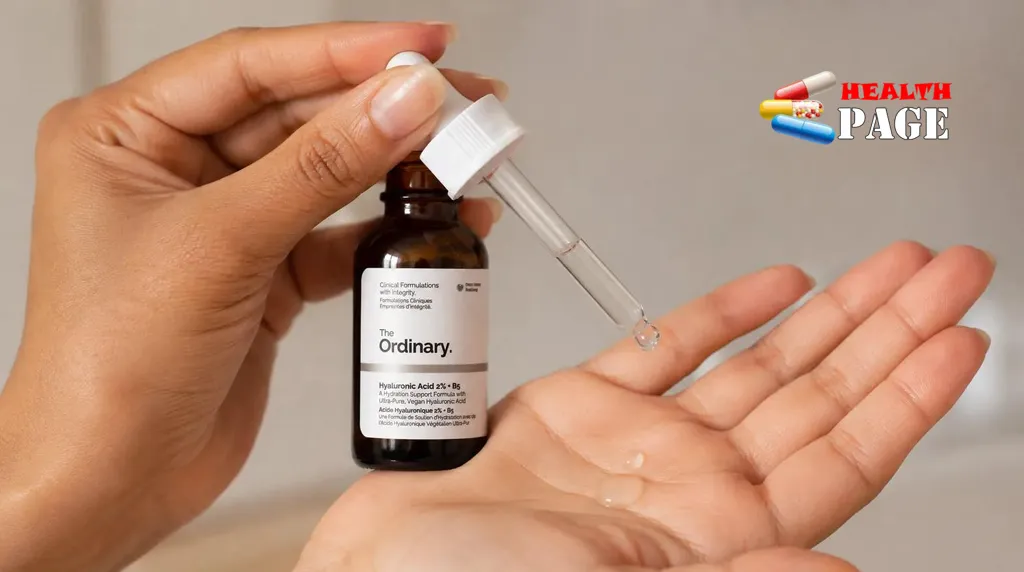
The Ordinary Hyaluronic Acid 2% + B5: Benefits, How to Use & Review
If your face feels tight an hour after cleansing, or a moisturiser that should last all day fades by lunchtime, a hydrating serum is one of the cheapest things to try. The Ordinary hyaluronic acid serum, officially named Hyaluronic Acid 2% + B5, is a water-based formula from DECIEM’s skincare brand The Ordinary. It pairs several forms of hyaluronic acid with panthenol, a form of vitamin B5. It is a hydrator, not a wrinkle treatment. It helps the skin’s surface hold water, which can make dry or dehydrated skin feel softer and look smoother. Most people tolerate it well, though a patch test is sensible before regular use. This guide covers what is in the bottle, how to use it, what side effects to watch for, what reviewers say, and how the original formula differs from the newer version with ceramides.
What Is The Ordinary Hyaluronic Acid 2% + B5?
This is a 30 ml facial serum that sits in the “Treat” step of The Ordinary’s regimen. The brand describes it as suitable for all skin types and positions it for dehydration and dryness. Its key ingredients are hyaluronic acid, pro-vitamin B5 (panthenol) and, in the newer version, ceramides.
It is a topical cosmetic. It is not an injectable hyaluronic acid filler and not a medical treatment, and it should not be expected to behave like either.
As of late 2026 two versions are sold. The current main product is listed as Hyaluronic Acid 2% + B5 (with Ceramides), described as a second-generation formula. The earlier recipe is still sold as the Original Formulation. Both are covered below, because reviews online often mix the two.
How Hyaluronic Acid Works on the Skin
Hyaluronic acid, also called hyaluronan, occurs naturally in skin and connective tissue, where it helps tissues retain water. In skincare it works mainly as a humectant, meaning it attracts water and helps hold it at the skin’s surface. That is why a well-hydrated skin barrier feels more comfortable and looks less rough.
The molecular size of the hyaluronic acid matters. Larger molecules tend to stay on the surface and form a hydrating film. Smaller fragments are used in the hope of reaching slightly deeper into the outer layers. The original Ordinary serum combines low-, medium- and high-molecular-weight hyaluronic acid with a hyaluronic acid crosspolymer, four types in total. The updated version adds hydrolyzed hyaluronic acid for a fifth. The brand says this spread hydrates the surface at multiple levels. Topical application is still very different from an injection, so it would be inaccurate to say these forms reach the deeper dermis.
It also helps to know the difference between dry and dehydrated skin. Dry skin is a skin type, linked to low oil production. Dehydrated skin lacks water and can affect any type, including oily skin, which is why some people find their skin feels tight but looks oily. A hyaluronic acid serum for dry skin or dehydrated skin addresses water content. It does not replace the oils that dry skin may also need.
The Ordinary Serum Ingredients and What They Do
Ingredient lists differ between the two versions and can vary by country and retailer, so the box in your hand is the final word. These are the main players:
| Ingredient | Role in the formula |
|---|---|
| Sodium hyaluronate (several molecular weights) | Humectant that attracts and holds water at the surface |
| Sodium hyaluronate crosspolymer | A cross-linked form of hyaluronic acid that supports surface hydration |
| Hydrolyzed hyaluronic acid (updated version) | Smaller fragments, the fifth hyaluronic acid type |
| Panthenol (vitamin B5) | Conditions skin and supports moisture retention |
| Ceramides (updated version only) | Skin-identical lipids that support the moisture barrier |
Panthenol is converted to pantothenic acid in the skin and is widely used in products for dry skin. The Ordinary says it supports ceramide and fatty acid production and helps skin hold on to moisture. That is a manufacturer statement, so treat it as a plausible rationale rather than independent proof.
Ceramides are fats that occur naturally in the skin barrier. They are the main reason the newer version is described as offering barrier support as well as hydration. The brand lists the ceramide version as alcohol-free, which is useful if you have wondered whether alcohol in skincare products is a problem for you. It also lists it as oil-free and silicone-free.
The Ordinary Hyaluronic Acid Benefits
The benefits are real but modest, and describing them realistically is more useful than promising dramatic change.
Hydration for dry and dehydrated skin. Attracting and holding water is the ingredient’s core job. If your skin feels tight or looks dull because it is short of water, a hyaluronic acid serum can improve comfort. The brand says you may notice improved hydration after about a week, with sustained results after four weeks. That timeline comes from the manufacturer.
A smoother look. Well-hydrated skin reflects light more evenly and feels softer. In that sense hyaluronic acid for fine lines is about temporary plumping: lines caused by dehydration can look less obvious. It does not permanently remove wrinkles, and it is not a substitute for sunscreen or retinoids.
A plumper, more supple appearance. Dryness can make skin look flat. Added water content makes it look fuller. The effect is cosmetic and fades as the water leaves.
Support for the moisture barrier. Panthenol, and ceramides in the newer version, help limit moisture loss. Even so, the original serum should not be presented as something that repairs every kind of damaged barrier.
Suitability across skin types. The formula is water-based and oil-free, so it can sit comfortably under other products on oily or combination skin. Individual tolerance still varies, because the full formula matters, not hyaluronic acid alone.
How to Use The Ordinary Hyaluronic Acid
The Ordinary’s directions are simple: apply a few drops to the face in the morning and evening, on unbroken skin. In practice it goes on after cleansing and before heavier creams or oils.
- Cleanse with a gentle cleanser to remove dirt, excess oil and makeup.
- Leave the skin slightly damp. The serum then has some water to bind, but avoid leaving the skin dripping wet.
- Press a few drops across the face with clean fingertips.
- Follow with a moisturiser. A humectant attracts water, but a moisturiser helps keep it from evaporating.
- In the morning, finish with a broad-spectrum sunscreen of SPF 30 or higher.
A basic morning hyaluronic acid skincare routine is cleanser, serum, moisturiser and sunscreen. In the evening, drop the sunscreen and use a night cream if your skin likes one.
The brand’s FAQ says the ceramide version can be combined with other actives, naming squalane, glycolic acid, multi-peptides and caffeine. Hyaluronic acid is also commonly layered with niacinamide, vitamin C and retinoids. Introduce one new active at a time, especially on sensitive skin, so you can tell what is causing any irritation. If your skin is reactive, start by using the serum once a day rather than twice.
The Ordinary Hyaluronic Acid Side Effects and Precautions
Topical hyaluronic acid is generally well tolerated, but no product suits everyone. Possible reactions include redness, itching, stinging, burning and general irritation. These are often caused by another ingredient in the full formula, or by an overloaded routine, rather than by hyaluronic acid itself.
Some people say their skin feels tighter or drier after using a hyaluronic acid product. This is more often tied to skipping moisturiser or to wider problems with the skin barrier than to the serum alone. Applying it to slightly damp skin and sealing it with a moisturiser is a sensible fix. The popular claim that hyaluronic acid always pulls water out of deeper layers in dry climates has not been established as a general rule, so there is no need to be alarmed by it.
On breakouts, hyaluronic acid is not generally considered a common acne trigger. Acne-prone skin can still react to the full formula, so watch how your own skin responds over a few weeks.
The Ordinary advises a patch test before regular use. Apply a small amount to a clean patch of skin on the upper forearm, keep the area dry and check it for redness, itching, burning or blistering. Do not use the product if any of these appear. If irritation develops during regular use, rinse the serum off, stop using it and consult a healthcare professional. The brand calls the ceramide version suitable for sensitive skin, but still recommends the patch test. If your skin is easily upset, a simple skincare routine for sensitive skin is a good framework for introducing new products one at a time.
Persistent redness or a rash that does not clear after you stop the serum may have another cause. This overview of what causes red patches on the skin can help you decide whether to see a doctor. Seek medical attention promptly for swelling, severe pain or a rapidly spreading reaction.
The Ordinary Hyaluronic Acid 2% + B5 Reviews: What Users Report
I have not tested this serum myself, so this section summarises published consumer reviews. They are individual experiences, not clinical results.
A reviewer on the Russian-language site Kosmetista described about three months of use. The serum had a thick, slightly sticky, gel-like texture but absorbed fairly quickly. The reviewer reported better hydration, said small flaky patches became less noticeable, and used a moisturiser afterwards. They rated it 9 out of 10. A reviewer on IRecommend, another Russian-language platform, used it for more than a month. They described a thick, transparent, slightly viscous and fragrance-free product with some temporary stickiness. They found it improved comfort and hydration on combination skin and also preferred to follow it with moisturiser.
Opinions are not uniformly positive. A combination-skin reviewer on MakeupAlley said the serum did not do much for them.
Three patterns emerge. People with dry or dehydrated skin tend to notice the most. The original formula’s thick, slightly tacky feel does not appeal to everyone. And almost every satisfied reviewer follows the serum with moisturiser. That tackiness is the main reason The Ordinary created the lighter second-generation version.
Original vs. Updated Formula With Ceramides
The Ordinary describes the ceramide version as an updated formulation with a lighter, non-tacky texture and added barrier support. The original is still sold and is described as a richer serum.
| Feature | Original formulation | With ceramides |
|---|---|---|
| Hyaluronic acid types | 4 | 5 |
| Vitamin B5 (panthenol) | Yes | Yes |
| Added ceramides | No | Yes |
| Texture | Richer, more viscous | Lighter, non-tacky |
| Main focus | Hydration and smoothing | Hydration plus barrier support |
Neither is universally better. If the original already works for you, there is no pressing reason to switch. If you dislike a sticky finish, want to layer under makeup, or are interested in a serum with ceramides, the updated version is the likelier fit. Check the ingredient list on the box before buying, because availability and formulations vary by country and retailer.
Who Should Consider Using This Serum?
A hydrating serum like this suits several groups:
- Dry skin: it adds water, but you will still want a richer moisturiser on top.
- Dehydrated skin, including oily skin: it is arguably the best match, since the problem is water rather than oil.
- Combination and normal skin: it fits easily into a light routine.
- Sensitive skin: it may be suitable, with a patch test first.
- Acne-prone skin: it may work well depending on your tolerance of the full formula.
People who want treatment for deep wrinkles, active acne, eczema or other medical skin conditions need different, evidence-based approaches. A hydrator will not replace them.
What Does the Scientific Evidence Say?
Research supports topical hyaluronic acid as a moisturising ingredient. A 2022 review in Dermatologic Therapy covered the literature up to July 2021 and concluded that numerous studies support hyaluronic acid cosmeceuticals for improving skin hydration and rejuvenation. The funding disclosure lists Cosmetic Active International and L’Oréal, which is worth keeping in mind when reading it.
A 2021 study in Dermatology and Therapy followed 40 women aged 30 to 65 with photoaging who used a hyaluronic acid serum twice daily with sunscreen. The authors reported improved hydration, plumpness and smoothness, with good tolerability. It was a single-site study of a different brand’s serum, not The Ordinary’s.
So the evidence backs the ingredient, but it does not prove that this exact serum produces the same results. It also does not make hyaluronic acid a treatment for conditions such as psoriasis or eczema, which need proper medical care.
Frequently Asked Questions
Which version will I get when I buy it?
Look for “(with Ceramides)” in the product name and check the ingredient list for ceramides. The older recipe is labelled “Original Formulation” on The Ordinary’s own site. Retailers may still stock either one.
Can I use it with vitamin C or retinol?
Generally yes. Hyaluronic acid is commonly layered with both, and The Ordinary says its ceramide version can be combined with other actives. Add one new active at a time and watch for irritation, because the retinol or vitamin C is usually the likelier culprit if your skin reacts.
Will it work on oily or acne-prone skin?
It may, since it is a water-based, oil-free formula and oily skin can still be dehydrated. Results depend on how your skin tolerates the full ingredient list, so introduce it gradually.
How long before I see a difference?
Skin can feel more hydrated right after application. The brand says visible hydration improvements may appear after about a week and last with continued use over four weeks, though individual results vary.
Can it replace my moisturiser?
Usually not. A humectant draws water in, but a moisturiser helps keep it there. The Ordinary recommends applying the serum before heavier creams and oils.
Conclusion
The Ordinary hyaluronic acid serum is a low-cost, simple hydrator that does what hyaluronic acid does best: help the skin’s surface hold water. It suits dry and dehydrated skin, layers well and is generally well tolerated. It is not a wrinkle remover or a medical treatment, and the original formula’s tacky feel is the most common complaint. The ceramide version addresses that and adds barrier support. Patch test first, apply it to slightly damp skin, follow with moisturiser and, in the daytime, sunscreen, and give it a few weeks before judging it. For more practical guidance, browse the HealthPage skin care guides.
References
- The Ordinary. Hyaluronic Acid 2% + B5 (with Ceramides), official product page, covering usage directions, formulation differences and patch-test guidance.
- Bravo B, Correia P, Gonçalves Junior JE, Sant’Anna B, Kerob D. Benefits of topical hyaluronic acid for skin quality and signs of skin aging: From literature review to clinical evidence. Dermatologic Therapy, 2022.
- Draelos ZD, Diaz I, Namkoong J, Wu J, Boyd T. Efficacy Evaluation of a Topical Hyaluronic Acid Serum in Facial Photoaging. Dermatology and Therapy, 2021.

Dr. Jacob Cote, MD, FRCPC, is a board-certified dermatologist practicing at The Ottawa Hospital in Ontario, Canada. Specializing in medical dermatology, clinical skin pathology, and advanced acne therapies, Dr. Cote brings years of institutional hospital experience to the editorial board. He is dedicated to translating complex, evidence-based dermatological research into practical preventative skin health strategies for everyday readers. At HealthPage, he ensures all clinical guidelines and skincare recommendations are rigorously reviewed and align with current Canadian Dermatology Association standards.