
Toxoplasma Gondii Infection: Symptoms, Causes, Treatment and Prevention
Written By: Dr. Sana Lodhi, MD (General Medicine)
Important Notice: The medical information provided in this article is for educational and informational purposes only and is not intended as medical advice, diagnosis, or treatment. Always consult a qualified healthcare provider regarding any questions or concerns you may have about Toxoplasma gondii or any other medical condition. Never disregard professional medical advice or delay seeking it because of something you have read on this website. If you suspect you are experiencing a medical emergency or severe symptoms during pregnancy, seek immediate medical attention.
A parasite can live inside the human body without causing any obvious illness, and Toxoplasma Gondii is one example. Many people who become infected never develop noticeable symptoms. However, toxoplasmosis can become much more serious during pregnancy or in people whose immune systems are weakened. Understanding how the infection spreads, what symptoms can look like, and when medical testing is important can help you take sensible precautions without becoming unnecessarily worried about cats or everyday contact.
Toxoplasma gondii is the parasite, while toxoplasmosis is the infection or disease it causes. The parasite is found worldwide and can infect humans and many other warm-blooded animals.
What Is Toxoplasma Gondii?
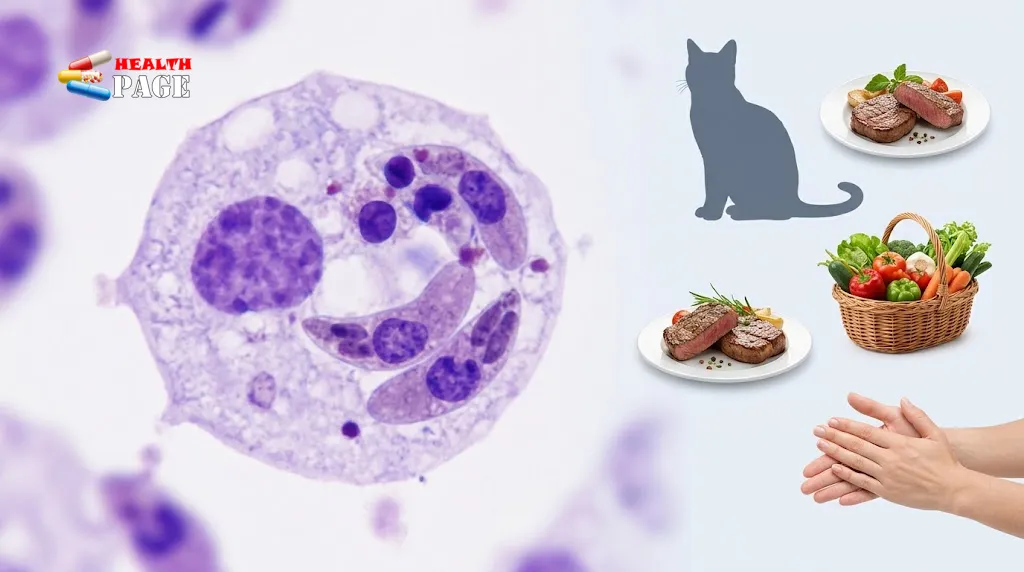
Toxoplasma gondii is a microscopic, single-celled protozoan parasite. Members of the cat family are its definitive hosts, meaning the parasite completes its sexual life cycle in these animals. Cats can shed microscopic oocysts in their feces, which can contaminate soil, water and other environmental sources.
Those oocysts can eventually infect other animals. People may then become infected through contaminated food, soil, water or accidental contact with cat feces. Once inside a person, the parasite can form tissue cysts and remain in the body for a long time, often without producing symptoms.
This is why describing it simply as a “cat parasite” can be misleading. Cats are important to its life cycle, but cats are not the only source of human infection. Foodborne transmission is also an important route.
What Is Toxoplasma Gondii Infection?
A Toxoplasma gondii infection occurs when the parasite enters the body. The resulting disease is called toxoplasmosis.
In otherwise healthy people, infection is frequently silent or mild. The situation is different for certain higher-risk groups. A newly acquired infection during pregnancy can be passed to the developing baby, while people with significantly weakened immune systems can develop serious disease involving the brain, eyes or other organs.
The infection is generally not spread casually from one person to another. Important exceptions include transmission from a newly infected mother to her fetus and rare transmission through infected organs or blood.
Toxoplasmosis Causes and How It Spreads
The parasite can reach people through several different routes. Understanding these routes is more useful than simply avoiding cats.
Eating contaminated or undercooked food
Foodborne transmission is an important cause of infection. People can become infected by eating contaminated undercooked meat or shellfish. Infection can also occur when knives, cutting boards or other utensils transfer contamination from raw meat to ready-to-eat foods.
Unwashed fruits and vegetables can also become contaminated with soil or other material containing the parasite. Unpasteurized goat’s milk and raw shellfish such as oysters, mussels and clams are additional recognized sources.
Good kitchen hygiene therefore matters: wash produce, clean food-preparation surfaces and keep raw meat separate from foods that will not be cooked.
Contact with contaminated cat feces or soil
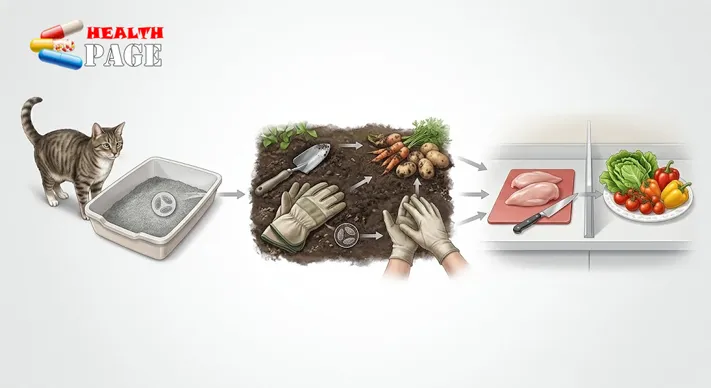
Cats can shed Toxoplasma oocysts in their feces. A person can become infected by accidentally swallowing the parasite after cleaning contaminated litter, touching contaminated soil or sand, or handling objects contaminated with cat feces and then touching their mouth without washing their hands.
There is an important distinction here: you do not get toxoplasmosis simply by stroking a cat or having a cat as a pet. The NHS specifically advises that ordinary contact with a cat is not a transmission route.
Pregnancy-related transmission
If someone becomes newly infected during or just before pregnancy, the parasite may cross the placenta and infect the fetus. This is called congenital toxoplasmosis. A pregnant person may have few or no symptoms even when fetal infection is possible.
Rare routes
Transmission through an infected organ transplant or contaminated blood transfusion can occur, but these are uncommon routes.
Toxoplasma Gondii Symptoms
Most people with healthy immune systems who develop toxoplasmosis do not know they are infected because they have no symptoms. When illness does occur, it may resemble a mild viral or flu-like infection.
Possible Toxoplasma gondii symptoms include:
- Swollen or tender lymph nodes
- Muscle aches and body pains
- Fever
- Headache
- Sore throat
- Tiredness or fatigue
- Occasionally nausea or other nonspecific symptoms
These symptoms are not specific to toxoplasmosis. A person with fatigue, fever or swollen lymph nodes cannot determine the cause from symptoms alone.
In otherwise healthy people, symptoms generally improve over several weeks, although they can sometimes persist for longer. The parasite can remain in an inactive tissue form after the initial infection.
When toxoplasmosis becomes severe
The picture changes when the immune system is significantly weakened. People with advanced immune suppression may develop disease involving the brain or other organs. Symptoms can include severe headache, fever, confusion, seizures, nausea and problems with coordination.
Anyone with a weakened immune system who develops unexplained neurological symptoms should seek prompt medical assessment rather than assuming they have an ordinary viral illness.
Toxoplasmosis During Pregnancy
Pregnancy deserves special attention because a person can have a new infection without feeling sick.
When infection is acquired during or just before pregnancy, the parasite can be transmitted to the fetus. Congenital infection may cause serious problems involving the eyes or brain. Some affected babies have no obvious signs at birth but may develop complications later.
The risk is therefore not simply about whether a pregnant person has symptoms. Exposure history and appropriate testing can matter even when the mother feels completely well.
Pregnant people should discuss suspected exposure or a concerning test result with their obstetric or other healthcare professional. Management can depend on when infection occurred and whether fetal infection is suspected or confirmed.

Can Toxoplasma Gondii Affect the Eyes?
Yes. Ocular toxoplasmosis can cause inflammation and lesions involving the retina and may affect vision.
Possible symptoms include:
- Blurred or reduced vision
- Eye pain, particularly with bright light
- Eye redness
- Excessive tearing
- Other changes in vision
Eye disease can occur after infection acquired later in life and can also be associated with congenital infection. Some ocular lesions may reactivate months or years later. The need for treatment depends on factors such as whether the lesion is active, its size and its location.
New or unexplained vision loss, significant blurred vision or eye pain warrants medical evaluation rather than self-treatment.
How Is Toxoplasmosis Diagnosed?
Diagnosis usually involves laboratory testing combined with the person’s symptoms, medical history and risk factors.
Blood tests can look for antibodies such as Toxoplasma gondii IgG and IgM. Other testing may be considered in particular circumstances, including pregnancy, suspected congenital infection, immune suppression or severe disease.
One important point is that antibody results are not always as simple as “positive equals current infection.” IgG generally indicates that infection has occurred at some point, while IgM can be more difficult to interpret because it may remain detectable for an extended period. Confirmatory testing and clinical context can therefore be important when recent infection is suspected.
A healthcare professional may recommend additional testing when the timing of infection is especially important, such as during pregnancy.
Toxoplasmosis Treatment
Not everyone with toxoplasmosis needs medication. Most otherwise healthy people with uncomplicated infection recover without specific treatment.
When treatment is necessary, clinicians may use antiparasitic combinations such as pyrimethamine with sulfadiazine and folinic acid. The appropriate regimen depends on the patient’s age, immune status, pregnancy status, affected organ and severity of disease.
Treatment is particularly important to consider in:
- People with significant immune suppression
- Some pregnant patients
- Newborns with congenital infection
- Certain cases of ocular toxoplasmosis
- People with severe or persistent disease
The treatment of pregnancy-associated infection is specialized and may involve different medicines and additional fetal testing depending on when infection occurred and whether fetal infection is suspected. It should be managed by an appropriate medical team rather than through self-medication.
There are currently no medications known to eliminate the encysted tissue stage of the parasite completely. Treatment targets active forms of the organism and is used to control disease and reduce complications when clinically indicated.
How to Prevent Toxoplasma Gondii Infection
You do not need to avoid cats entirely to reduce your risk. Practical food, hand and environmental precautions are much more useful.
Practice safer food preparation
- Cook meat thoroughly using a food thermometer rather than judging safety by color alone.
- Wash fruits and vegetables under running water.
- Keep raw meat separate from ready-to-eat food.
- Wash knives, cutting boards and countertops after preparing raw meat.
- Avoid unpasteurized goat’s milk.
- Avoid raw or undercooked oysters, mussels and clams.
Take precautions around soil
Wear gloves when gardening or handling soil or sand that could have been contaminated by cat feces. Wash your hands thoroughly afterward.
Handle cat litter carefully
If possible, someone else can change the litter box during pregnancy. If you must do it yourself, wearing gloves and washing your hands afterward reduces exposure.
Daily litter-box cleaning is particularly useful because newly shed Toxoplasma oocysts generally need about 1–5 days in the environment before becoming infectious.
Cats should also be fed commercially prepared food or properly cooked food rather than raw or undercooked meat.
Who Is at Higher Risk?
Anyone can become infected, but the consequences are not the same for everyone.
The groups that deserve particular attention are:
| Higher-risk group | Why it matters |
|---|---|
| Pregnant people | A newly acquired infection can be transmitted to the fetus |
| Unborn babies | Congenital infection can affect the eyes, brain and other organs |
| People with weakened immune systems | Infection can become severe or reactivate |
| People with ocular disease | Active eye lesions can threaten vision |
People with significant immune suppression may include some individuals with HIV, people receiving certain cancer treatments and some organ-transplant recipients.
When Should You Contact a Healthcare Professional?
Consider medical advice if you have symptoms that could represent toxoplasmosis and you are pregnant, immunocompromised or have a relevant exposure.
Prompt assessment is particularly important for symptoms such as:
- New confusion
- Seizures
- Severe or unusual headache
- Difficulty walking or coordinating movements
- New blurred or reduced vision
- Significant eye pain or redness
- Concerning symptoms during pregnancy after a possible exposure
These symptoms have many possible causes, so they do not prove toxoplasmosis. Their significance depends on the individual’s circumstances and requires appropriate clinical assessment.
Frequently Asked Questions
What is Toxoplasma gondii?
Toxoplasma gondii is a microscopic protozoan parasite that causes toxoplasmosis. It can infect humans and many other warm-blooded animals and is found worldwide.
Can you get toxoplasmosis from a cat?
Cats play an important role in the parasite’s life cycle, but simply touching or owning a cat does not cause toxoplasmosis. Risk is associated mainly with accidental ingestion of the parasite from contaminated cat feces, soil or other contaminated material.
What do Toxoplasma IgG and IgM mean?
IgG and IgM are antibodies used when evaluating toxoplasma infection. IgG generally indicates that infection has occurred at some point, while IgM can be harder to interpret because it may remain detectable for a considerable period. Healthcare professionals may use additional testing to determine whether an infection is recent.
Is toxoplasmosis treatable?
Yes. Many healthy people recover without treatment, while people with severe disease or particular risk factors may need antiparasitic medication. Treatment is individualized, especially during pregnancy or in people with weakened immunity.
Can toxoplasmosis come back?
The parasite can remain in an inactive tissue form after infection. In people whose immune systems later become significantly weakened, reactivation can occur.
How can toxoplasmosis be prevented?
The most practical measures include thoroughly cooking meat, washing produce, preventing cross-contamination in the kitchen, washing hands after handling potentially contaminated soil, using gloves for gardening and taking appropriate precautions with cat litter.
Conclusion
A Toxoplasma Gondii infection is often silent or mild in people with healthy immune systems, but it deserves greater attention during pregnancy and when the immune system is weakened. The infection can spread through contaminated undercooked food, contaminated soil or cat feces, as well as through a few uncommon routes.
The most useful prevention steps are straightforward: cook food properly, wash produce and hands, prevent cross-contamination in the kitchen, use gloves around potentially contaminated soil and handle cat litter carefully. If pregnancy, immune suppression, eye symptoms or neurological symptoms are involved, professional medical assessment becomes particularly important.
Understanding the parasite also helps put the risk into perspective: having a cat does not automatically mean you will develop toxoplasmosis, and symptoms alone cannot diagnose the infection. Appropriate precautions and medical testing when indicated are more useful than unnecessary fear.
References
Sloth Fever Virus Symptoms: A Comprehensive Guide to Understanding and Identifying the Disease

Dr. Sana Lodhi is a qualified medical doctor (MBBS) with a strong commitment to patient care and evidence‑based medicine. With years of clinical experience and her current role at Liaquat University of Medical & Health Sciences (LUMHS), she brings trusted medical insights to readers, simplifying complex health topics into clear, practical guidance. Her passion lies in promoting preventive healthcare, empowering individuals to make informed decisions, and bridging the gap between medical knowledge and everyday wellness. At HealthyPost.co.uk, Dr. Lodhi shares expert perspectives on health, lifestyle, and medical awareness to help readers live healthier, more balanced lives.