
Douglas Pouch Abscess: Symptoms, Causes, Diagnosis and Treatment
Medical Disclaimer: The information provided in the article “Douglas Pouch Abscess: Symptoms, Causes, Diagnosis and Treatment” is for general educational and informational purposes only and is not intended as a substitute for professional medical advice, diagnosis, or treatment. Always seek the advice of a qualified physician or other healthcare provider with any questions you may have regarding a medical condition. Never disregard professional medical advice or delay in seeking it because of something you have read in this article. If you experience severe symptoms or a medical emergency, seek immediate medical care.
Written by: Dr. Sana Lodhi (General Medicine)
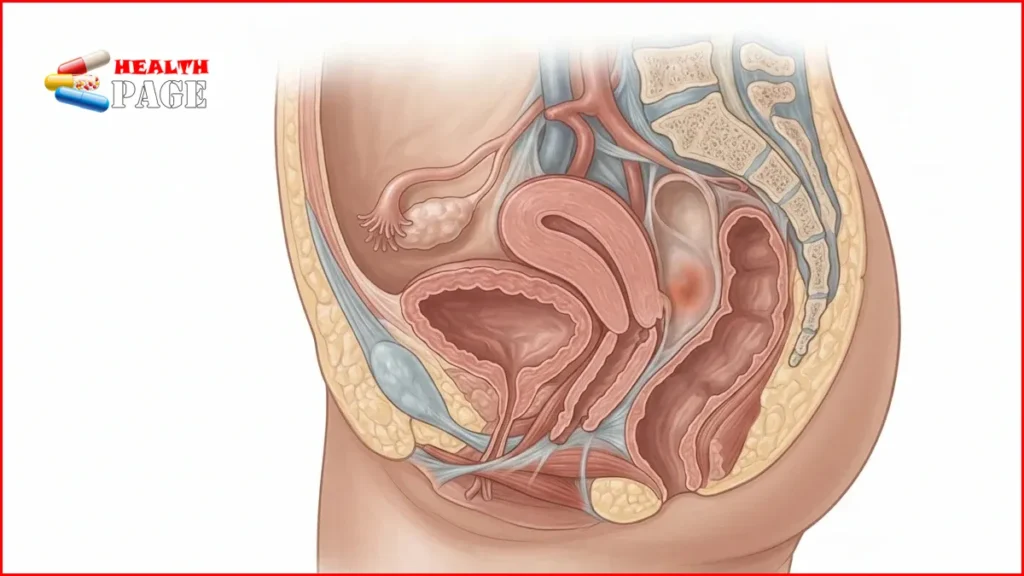
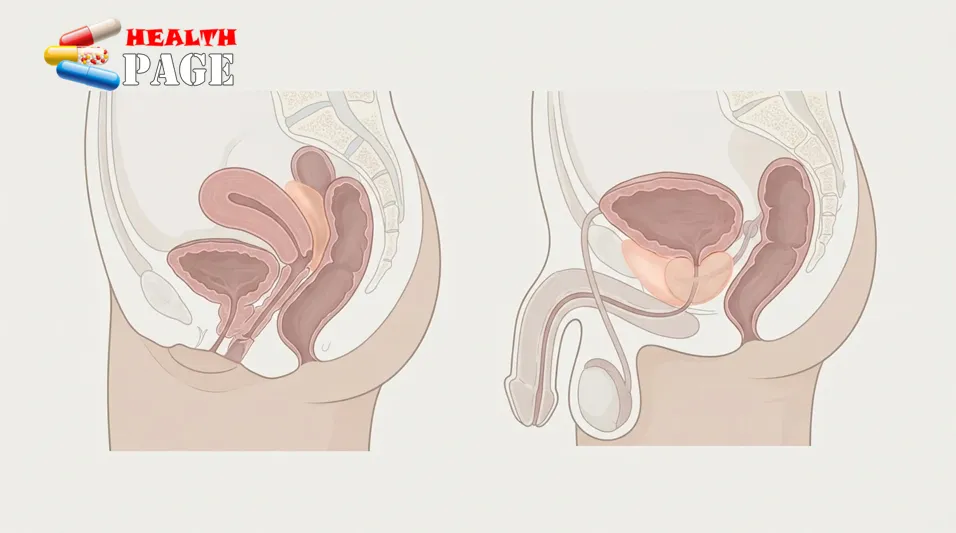
A Douglas pouch abscess is a collection of pus that builds up in the pouch of Douglas, a small pocket at the lowest point of the abdominal cavity. In women this pocket sits between the uterus and the rectum. In men it lies between the bladder and the rectum. The condition is a type of pelvic abscess. It usually causes deep pelvic pain, fever, and a feeling of pressure towards the rectum or vagina. It needs prompt medical assessment, and treatment generally combines antibiotics with drainage of the pus.
Reliable figures on how often it occurs are hard to find. It is considered uncommon, and it usually develops as a complication of another problem rather than on its own. Knowing the warning signs matters because untreated pelvic infections can spread.
What is a Douglas pouch abscess?
The pouch of Douglas (also called the rectouterine pouch or cul-de-sac) is a recess formed by the peritoneum, the thin membrane that lines the abdominal cavity. Because it is the lowest point in a person who is upright or sitting, fluid in the abdomen tends to collect there. If that fluid becomes infected, the body tries to wall the infection off. Nearby tissue, including loops of bowel and fatty tissue called the omentum, sticks together around the pocket and forms a barrier. This keeps the infection from spreading freely, but it also traps the pus.
You may see the condition called a “rectovaginal abscess”. That is a different problem. In a Douglas pouch abscess the infection sits behind the vagina, not in the vaginal wall itself.
A Douglas pouch abscess is not a disease with a single cause. It is better understood as the end result of infection or inflammation elsewhere in the pelvis or abdomen.
What causes a Douglas pouch abscess?
Gynaecological infections
In women, the most common route is a pelvic infection that spreads from the reproductive organs. Pelvic inflammatory disease (PID), an infection of the womb, fallopian tubes and ovaries, is the best-known example. PID is usually caused by sexually transmitted infections such as chlamydia and gonorrhoea, though bacteria that normally live in the vagina can also be responsible. Untreated PID can progress to a tubo-ovarian abscess, which may in turn involve the pouch of Douglas.
Digestive and surgical causes
Pus can also reach the pouch from elsewhere in the abdomen. Common sources include:
- a ruptured or inflamed appendix, particularly when it lies low in the pelvis
- a burst diverticulum (a small pouch in the bowel wall) or diverticulitis
- infection spreading from tissue around the rectum, including rectal fistulas
- abdominal or pelvic surgery, such as hysterectomy, caesarean section or an induced abortion
- more widespread peritonitis, an infection of the abdominal lining
Because pelvic abscesses often follow surgery, they can also appear days to weeks after an operation, sometimes when someone has otherwise seemed to be recovering well.
Which bacteria are involved?
Pelvic abscesses are usually caused by a mixture of bacteria. These include anaerobes (bacteria that thrive without oxygen) and bowel organisms such as E. coli, sometimes together with sexually transmitted organisms. That is why doctors usually start with broad-spectrum antibiotics and refine the choice once test results are available.
Who is at higher risk?
Risk factors largely mirror those for PID and for post-operative infection. They include:
- previous or untreated pelvic infection
- sexually transmitted infections
- an intrauterine device (IUD)
- diabetes, particularly when poorly controlled
- obesity
- a weakened immune system, whether from HIV, medicines that suppress immunity, or other conditions
If you want to understand how immune function affects infection risk, HealthPage has a guide to secondary immunodeficiency and its causes.
Symptoms of a Douglas pouch abscess
The main symptom is pelvic or lower abdominal pain. It is often described as deep, aching or stabbing, and it may be felt in the lower back, rectum or vagina. The pain can worsen when sitting, walking, opening the bowels or during sex. Its intensity depends on how large the abscess is and how long it has been developing.
Other symptoms may include:
- fever and chills (often a high fever)
- a feeling of pressure or fullness in the rectum
- abnormal vaginal discharge in women
- painful bowel movements, and sometimes diarrhoea
- nausea or vomiting
- difficulty or discomfort passing urine
No single symptom is specific to this condition. Pelvic abscesses can be slow to declare themselves, and clinical features may not be obvious until the collection has grown. That is one reason diagnosis often relies on examination and imaging, not symptoms alone.
When to seek urgent medical help
Get help the same day if you have pelvic pain with fever, shivering, or unusual discharge, especially after surgery, childbirth, a miscarriage or an IUD fitting.
Call 999 or go to A&E if you develop signs that could indicate sepsis. The NHS lists these as confusion or slurred speech, uncontrollable shivering, severe muscle pain, difficulty breathing, or pale, mottled or blue skin. Sepsis can progress quickly, and the NHS advises acting on your instincts if something feels seriously wrong. Do not try to treat suspected pelvic infection yourself with leftover antibiotics or painkillers alone.
How a Douglas pouch abscess is diagnosed
History and examination
A doctor will ask about your symptoms, previous surgery, sexual history, contraception, and any recent procedures. They will examine your abdomen, which is usually tender in the lower part.
In women, a vaginal examination may show tenderness, and the doctor may feel a bulge or fullness behind the cervix. In both women and men, a rectal examination can reveal a tender, bulging area on the front wall of the rectum. In the original source material, this bulge is described as gradually hardening and then softening as pus collects, which signals that drainage may be needed. How reliably this progression appears varies, and modern care relies heavily on imaging.
Blood tests and swabs
Typical tests include:
- blood tests showing signs of infection, such as a raised white cell count and raised inflammatory markers (C-reactive protein, sometimes procalcitonin)
- a pregnancy test in women of childbearing age, to rule out ectopic pregnancy
- swabs or PCR tests from the cervix and vagina for chlamydia, gonorrhoea and other infections
- cultures of pus, if drainage is performed, to identify the bacteria and guide antibiotics
- tests for HIV and other infections when clinically appropriate
Imaging
Ultrasound is often the first scan. In women, transvaginal ultrasound generally gives a better view of the pelvis than a scan through the abdomen. An abscess typically looks like a fluid collection with mixed internal echoes and sometimes small gas bubbles. A CT scan is commonly used to confirm the diagnosis, assess how far the infection has spread, and plan drainage. MRI may be used in selected cases.
Conditions doctors need to rule out
Several other conditions cause similar pain. Diagnosis involves telling them apart.
| Condition | How it can differ |
|---|---|
| Ectopic pregnancy | Positive pregnancy test; pain is often sudden, and there may be vaginal bleeding |
| Ruptured ovarian cyst | Pain tends to start abruptly rather than build up |
| Tubo-ovarian abscess | Abscess is within the tube or ovary on imaging; can coexist with a Douglas pouch abscess |
| Endometriosis | Pain often follows the menstrual cycle; no signs of acute infection |
| Appendicitis | Pain often begins around the navel and moves to the lower right abdomen |
| Diverticulitis | Usually left-sided lower abdominal pain with bowel changes |
| Prostate abscess (men) | Urinary symptoms and prostate tenderness |
Appendicitis and ectopic pregnancy are the most common mimics of pelvic infection, which is why doctors check for them first.
Treatment
Treatment is individual and depends on the size of the abscess, the underlying cause, and how unwell you are. It is not necessarily surgical in every case. The older view that surgery is the only option does not match current descriptions of pelvic abscess care.
Antibiotics and hospital care
Most people are admitted to hospital. Treatment normally starts with intravenous broad-spectrum antibiotics that cover the mix of bacteria likely to be involved, along with fluids and pain relief. Antibiotics are adjusted when culture results arrive. Doctors usually judge early response over the first couple of days by looking at temperature, symptoms and blood tests. Small abscesses sometimes settle with antibiotics alone, but an abscess that is large or not improving typically needs drainage.
If an infection such as chlamydia or gonorrhoea is found, partners may need testing and treatment too, and treatment for any sexually transmitted infection should be completed in full.
Drainage
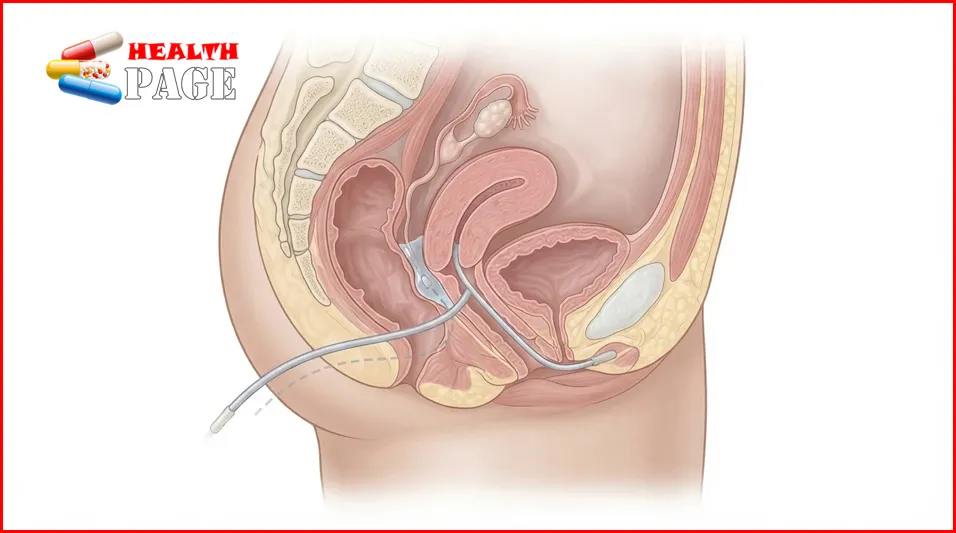
Drainage removes the pus and is often combined with antibiotics. The method depends on the abscess location and what is safest for the individual:
- Image-guided drainage: a thin tube is placed into the abscess under ultrasound or CT guidance, through the skin, vagina or rectum. This avoids a larger operation in many cases.
- Laparoscopic (keyhole) surgery: used when drainage is not possible, has not worked, or when a surgeon needs to look at the whole pelvis and treat the underlying cause.
- Open surgery: reserved for widespread peritonitis, very complicated cases, or when keyhole surgery is not feasible.
The underlying cause may need separate treatment, such as removing an inflamed appendix or treating a tubo-ovarian abscess.
Recovery and follow-up
Recovery time varies widely. It depends on how large the abscess was, whether drainage or surgery was needed, and your overall health. Hospital stay can range from a few days to longer if complications occur. Antibiotics are often continued by mouth after you leave hospital, and finishing the full course matters even when you feel better.
Follow your care team’s specific instructions on activity, bathing, sex and return to work, since advice differs between procedures. Follow-up often includes repeat blood tests or imaging to check that the collection has resolved. See your doctor quickly if fever, pain or discharge return, or if a drain site becomes red, swollen or leaks.
Possible complications
Left untreated, a pelvic abscess can cause serious problems:
- Rupture and peritonitis: pus escaping into the abdominal cavity, which is a surgical emergency
- Sepsis: a life-threatening response to infection that can affect multiple organs
- Fistula formation: abnormal connections to the bowel or other organs
- Pelvic adhesions and chronic pelvic pain: scar tissue that can follow severe pelvic infection
- Fertility problems or ectopic pregnancy risk: because infection can damage the fallopian tubes
I could not find reliable figures for death rates specific to Douglas pouch abscess. Outcomes depend heavily on how early it is treated, which is the strongest argument for seeking care promptly.
Outlook and prevention
With timely treatment, most people recover. Delays raise the risk of complications.
You cannot prevent every case, particularly those that follow surgery or appendicitis. But you can reduce risk by:
- using condoms and having regular sexual health checks, particularly with new partners
- treating PID and other pelvic infections early and completing the prescribed antibiotics
- seeking medical care promptly for persistent pelvic pain, fever or unusual discharge
- attending post-operative follow-up and reporting symptoms such as fever or worsening abdominal pain
- keeping long-term conditions such as diabetes well controlled
Frequently asked questions
Is a Douglas pouch abscess the same as a pelvic abscess?
It is a type of pelvic abscess. “Pelvic abscess” covers any collection of pus in the pelvis, including in the ovaries, fallopian tubes or around the uterus. A Douglas pouch abscess is specifically in the pocket behind the uterus (or between the bladder and rectum in men).
Can men get a Douglas pouch abscess?
Yes, though it is less common. Men have a comparable space between the bladder and rectum. It usually develops from appendicitis, diverticulitis, rectal infection or surgery rather than from PID.
Can it go away on its own?
You should not wait to find out. Small collections sometimes respond to antibiotics, but that decision needs medical assessment. An untreated abscess can rupture or lead to sepsis.
Does it always need surgery?
No. Treatment ranges from antibiotics alone in selected small cases, to image-guided drainage, to keyhole or open surgery. Doctors choose based on the size, location and cause, and how you respond.
Can it affect fertility?
Severe pelvic infection can scar or block the fallopian tubes, which can reduce fertility and raise the risk of ectopic pregnancy. Prompt treatment lowers that risk, though it cannot be ruled out entirely. If you are concerned, discuss it with your gynaecologist.
Final thoughts
A Douglas pouch abscess is an uncommon but serious pocket of infection deep in the pelvis. It usually grows out of another problem, such as pelvic inflammatory disease, appendicitis or recent surgery. Pelvic pain with fever, rectal pressure or abnormal discharge is a reason to be seen promptly, and any sign of sepsis calls for emergency help. If you have recently had pelvic surgery or a pelvic infection and symptoms are returning or worsening, contact your doctor rather than waiting.
This article is for general information and does not replace advice from a qualified doctor.
7. References
- National Center for Biotechnology Information (NCBI Bookshelf). Pelvic Abscess, StatPearls. https://www.ncbi.nlm.nih.gov/books/NBK545292/
- NHS. Pelvic inflammatory disease (PID). https://www.nhs.uk/conditions/pelvic-inflammatory-disease-pid/
- NHS. Sepsis. https://www.nhs.uk/conditions/sepsis/

Dr. Sana Lodhi is a qualified medical doctor (MBBS) with a strong commitment to patient care and evidence‑based medicine. With years of clinical experience and her current role at Liaquat University of Medical & Health Sciences (LUMHS), she brings trusted medical insights to readers, simplifying complex health topics into clear, practical guidance. Her passion lies in promoting preventive healthcare, empowering individuals to make informed decisions, and bridging the gap between medical knowledge and everyday wellness. At HealthyPost.co.uk, Dr. Lodhi shares expert perspectives on health, lifestyle, and medical awareness to help readers live healthier, more balanced lives.