
Modern Wound Dressings: Types, Uses and How to Choose the Right One
Author: This article, “Modern Wound Dressings: Types, Uses and How to Choose the Right One,” has been written and medically reviewed by Dr. Sana Lodhi (General Medicine).
Medical Disclaimer: The content provided in this article is for informational and educational purposes only and is not intended as a substitute for professional medical advice, diagnosis, or treatment. Always seek the advice of your physician, wound care specialist, or other qualified health provider with any questions you may have regarding a medical condition or wound management. Never disregard professional medical advice or delay in seeking it because of something you have read in this article.
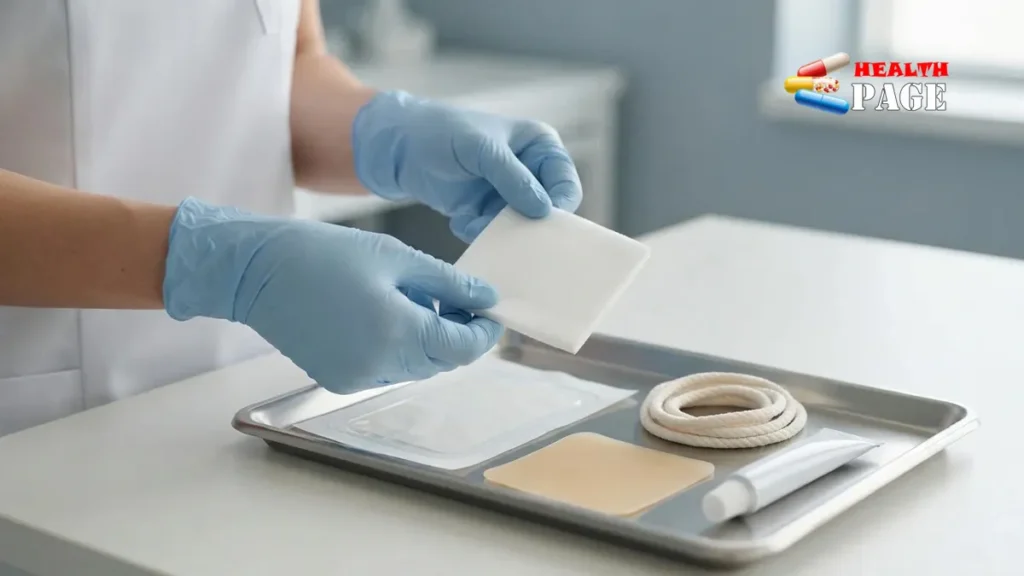
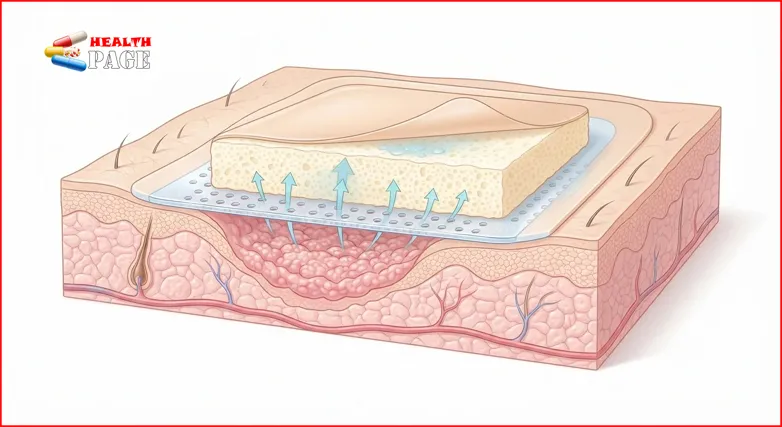
A wound dressing used to be little more than a cover, something clean and absorbent to keep dirt out and blood in. Modern wound dressings do more. They manage fluid, protect the tissue underneath, and keep the wound surface moist, which supports the body’s own wound healing process instead of leaving it to dry out under gauze.
If you are trying to choose between them, the short answer is that no single dressing suits every wound. The right one depends on what caused the injury, how much fluid it produces, whether it is infected, how deep it is, and how fragile the surrounding skin is. This guide explains how healing works, what each main dressing type does and where it fits, and what the research does and does not show.
Why gauze and basic bandages often fall short
Traditional gauze and cotton bandages are cheap, absorbent and widely available, and they still have a place as outer layers or for minor wounds. Their weaknesses appear with wounds that heal slowly. As exudate (the fluid a wound produces) dries, gauze can stick to the wound bed, so removal may pull away new tissue and hurt. It usually needs frequent changing, which disturbs the wound, and it does little to keep the surface moist.
For some wound types, current guidance goes further. NHS Wales information on pressure ulcers says gauze dressings are not recommended for preventing or treating them. This reflects a wider shift towards moist wound healing. A review of moist wound dressings in Advances in Wound Care describes how a moist environment lets cells work more effectively than a dry one, and why modern dressings are designed around that idea.
How wound healing works
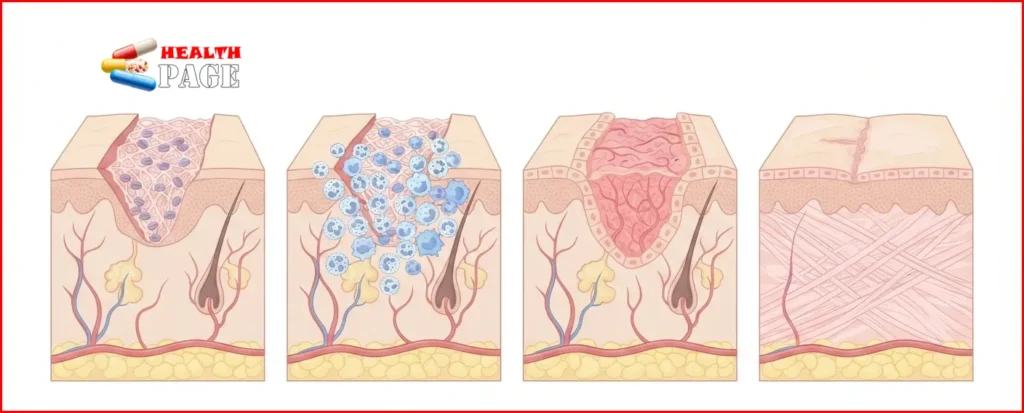
Normal healing is one continuous process, usually described in four overlapping phases.
Haemostasis happens within minutes. Platelets gather at the injury and a fibrin clot forms to stop the bleeding and provide a temporary scaffold.
Inflammation begins within the first day. Neutrophils arrive first, then macrophages, clearing bacteria and debris. Redness, warmth, swelling and tenderness are normal at this stage, though they should settle rather than intensify.
Proliferation starts around days three to five and can last several weeks. Fibroblasts build granulation tissue (the pink, bumpy tissue that fills a wound), new blood vessels form, and skin cells migrate across the surface to close it.
Remodelling begins at about three weeks and can continue for a year or more. Collagen is reorganised and strengthened. Scar tissue contains fewer cells and blood vessels than the skin it replaces and stays somewhat weaker than uninjured skin.
Acute and chronic wounds
Acute wounds, such as cuts, grazes and surgical incisions, usually move through these phases in an orderly way and heal over days to weeks, depending on size and depth. Closed cuts and incisions may be held together with adhesive closures, and zip stitches and butterfly strips are examples of how those options differ.
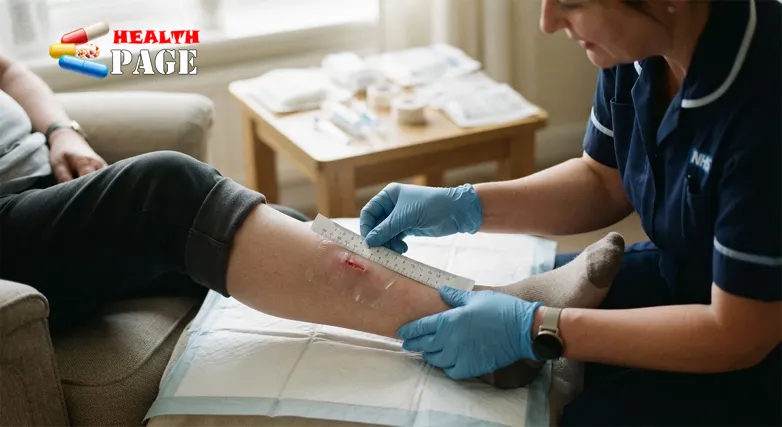
A wound that stalls is called chronic. Definitions vary, but a wound that shows no clear progress after roughly four to six weeks of appropriate care is generally reassessed as chronic. The usual culprits are venous and arterial leg ulcers, pressure ulcers and diabetic foot ulcers. Burns and infected wounds can also heal poorly. Persistent infection, poor blood supply, ongoing pressure, diabetes, smoking and poor nutrition are common reasons healing stalls.
Pressure ulcers, also called bedsores, develop when sustained pressure over bony areas reduces blood supply to the skin, and moisture can make the damage worse. This caregiver guide to changing an adult diaper in bed explains how they develop and how skin checks and repositioning help prevent them.
Chronic wounds can limit mobility, cause long-term pain and reduce quality of life, which is why dressing choice and treating the underlying cause matter so much.
What a modern dressing should do
No dressing does everything, but a good one will usually:
- keep the wound bed moist without leaving it sodden
- absorb exudate and protect the skin around the wound
- act as a barrier against contamination
- stay comfortable and conform to the body
- come off without tearing new tissue
- allow sensible change intervals so the wound is not disturbed more than needed
Extra features such as infection control, haemostasis (stopping bleeding) or odour absorption depend on the specific product.
Choosing begins with the cause. A review in Frontiers in Pharmacology stresses that accurate diagnosis of what is behind the wound comes first, and dressing selection follows. Clinicians then consider:
- how much exudate there is
- whether the tissue is dry, sloughy or granulating
- whether there are signs of infection
- the depth and shape of the wound
- the condition of the surrounding skin
- the wound’s location and how much it moves
- the person’s general health, circulation, allergies and ability to manage dressing changes
The main types of modern wound dressings
Foam dressings
Foam dressings are layered polyurethane pads, often with a soft silicone contact layer and a waterproof outer film. They absorb moderate to heavy exudate, cushion the area and provide some insulation. Silicone-faced versions come off more gently, which helps with fragile skin. Many can stay in place for up to about a week, depending on how much fluid the wound produces. They are not suitable for dry or necrotic wounds, or for wounds that need frequent inspection. Foam alone does not fight infection unless the product contains an antimicrobial such as silver.
Alginate and hydrofibre dressings
Alginate dressings are made from fibres derived from brown seaweed. On contact with exudate they form a soft gel, and they can absorb many times their own weight in fluid. They suit moderately to heavily exuding wounds, cavities and bleeding sites, and some help control light bleeding. Because they are not adhesive, they need a secondary dressing, and they are usually changed every one to three days or once fully converted to gel. They should not be used on dry wounds or hard, dry eschar (dead, leathery tissue). Allergic reactions are uncommon but have been reported. Hydrofibre dressings, made from carboxymethylcellulose fibres, behave similarly, forming a cohesive gel that locks fluid in and can stay until saturated.
Hydrocolloid dressings
Hydrocolloids are adhesive wafers with a gel-forming layer that absorbs fluid and a waterproof outer layer. They suit lightly to moderately exuding wounds and adhere well to areas with friction, such as the heels and the base of the spine. They can often stay in place for up to a week.
As they absorb fluid they turn into a yellowish gel with a distinctive smell. This is expected, but it can resemble pus, which is why wound assessment matters at each change. Hydrocolloids are generally not used on dry wounds, heavily exuding wounds or clinically infected wounds. Some clinicians avoid them on diabetic foot ulcers because the sealed environment may encourage anaerobic bacteria. With long use they can cause hypergranulation (overgrowth of granulation tissue) or irritate the skin.
Hydrogel dressings
Hydrogels are water-rich polymers, around 90% water, supplied as amorphous gels or sheets. Their main job is to add moisture to dry wounds, soften hard dead tissue and support the body’s natural clearing of it (autolytic debridement). They also feel cooling and soothing, which is why they are used for painful wounds, some burns and radiation-related skin damage.
They suit wounds with little exudate and are not appropriate for heavily exuding wounds. They offer a weak barrier against bacteria, usually need a secondary dressing, and are typically changed within about three days. Skin around the wound may need protection from softening (maceration), sheet versions tear easily, and some gels contain propylene glycol, which can trigger allergy in some people.
Semipermeable film dressings
Films are thin, transparent polyurethane sheets that let water vapour and gases through but block liquid and bacteria. Because they are see-through, a wound can be checked without removing the dressing. They are used for lightly exuding wounds, minor abrasions, superficial burns and closed surgical incisions, and can stay in place for up to about seven days. They absorb almost nothing, so they are unsuitable for moderate or heavy exudate or infected wounds, and care is needed when removing them from fragile skin.
Non-adherent contact layers
These fine-mesh or ointment-impregnated dressings sit directly on the wound without sticking. Exudate passes through the holes into an absorbent pad on top. They are useful where granulation tissue is delicate and where dressing removal has been painful. Wear time varies widely between products, so the manufacturer’s instructions apply.
Superabsorbent dressings
Superabsorbents are multilayer pads with a non-adherent contact surface and a very high fluid capacity, designed for heavily exuding wounds such as venous leg ulcers. They are often worn under compression bandaging. Like other absorbent dressings, they are not meant for dry wounds.
Chitosan and other bioactive dressings
Chitosan is a material derived from chitin, found in crustacean shells. Dressings containing it have been studied for biocompatibility, biodegradability, haemostatic activity and possible antibacterial effects. They are newer than the dressing types above, and the evidence is still developing, so they tend to be used for specific situations under clinical guidance.
Spray-on dressings
Liquid spray dressings form a thin protective film and have been proposed for wounds with awkward shapes, including some burns. They do not replace first aid or assessment. Larger, deeper or blistering burns, and any burn on the face, hands or genitals, need prompt medical care.
Matching dressings to wounds at a glance
| Dressing | Best suited to | Usually avoided on | Typical wear time* |
|---|---|---|---|
| Foam | Moderate to heavy exudate, pressure and venous ulcers | Dry, necrotic or low-exuding wounds | Up to about 7 days |
| Alginate / hydrofibre | Moderate to heavy exudate, cavities, light bleeding | Dry wounds, hard eschar | 1–3 days (alginate); until saturated (hydrofibre) |
| Hydrocolloid | Light to moderate exudate, friction areas | Infected, dry or heavily exuding wounds | Up to about 7 days |
| Hydrogel | Dry or minimally exuding wounds, dead tissue | Heavily exuding wounds | Up to about 3 days |
| Film | Light exudate, minor abrasions, closed incisions | Moderate to heavy exudate, infection | Up to about 7 days |
*Wear times vary by product and wound. The manufacturer’s instructions and the treating clinician’s advice take priority. Silver-containing and other specialist dressings are not covered here.
What the evidence shows, and what it does not
Maintaining a moist wound environment is well established, and modern dressings are built on that principle. What is less clear is whether any one modern dressing heals wounds faster than another. The Frontiers in Pharmacology review summarises several systematic reviews that found no clear evidence that foam, alginate or hydrogel dressings outperform alternatives for diabetic foot or pressure ulcers. It also notes that many of the underlying trials were small or at risk of bias. Its authors conclude that high-quality trials are still needed.
So dressing choice should be driven by the wound’s features, comfort, ease of use, change frequency, cost and the person’s preferences, rather than by claims that any single product accelerates healing. Dressings also work alongside, not instead of, treatment of the underlying problem: compression for venous ulcers, pressure relief and repositioning for pressure ulcers, offloading and glucose management for diabetic foot ulcers, attention to circulation and nutrition, and stopping smoking.
Recognising infection and knowing when to get help
Check wounds regularly. Signs that a wound may be infected include increasing pain, spreading redness, warmth, swelling, more fluid than before, an unpleasant smell, and yellow or green pus. How to tell whether a blister has become infected covers the same warning signs in more detail and applies to many minor skin wounds.
Contact your GP, nurse or NHS 111 if redness is spreading, pain is worsening or you feel unwell. Fever, red streaks running from the wound, or rapidly worsening symptoms need prompt medical assessment. People with diabetes, poor circulation or a weakened immune system should seek advice sooner, particularly for any foot wound. An infected wound should not be sealed under an occlusive dressing without clinical advice, and prescription creams or antibiotics should only be used when a healthcare professional recommends them.
Frequently asked questions
What is the difference between modern and traditional dressings?
Traditional gauze and bandages mainly cover and absorb. Modern dressings are designed to manage moisture and exudate, protect the wound, and come away more gently, though each type suits a particular kind of wound.
How often should a modern dressing be changed?
It depends on the type and how much fluid the wound produces. Alginate is often changed every one to three days, while foam and hydrocolloid can stay on for up to about a week. A dressing should be changed sooner if it leaks, lifts, becomes soiled or the wound looks worse.
Is the yellow gel under a hydrocolloid dressing pus?
Usually it is not. Hydrocolloids form a yellowish, smelly gel as they absorb fluid. If the surrounding skin is spreading red, hot, swollen or increasingly painful, or you have a fever, have the wound checked, because infection can look similar to normal gel.
Can modern dressings be used on infected wounds?
Some can, but not all. Hydrocolloid and film dressings are generally not used on clinically infected wounds, while alginates and some foams may be considered under clinical supervision. Infection usually needs assessment and sometimes antibiotics, not just a different dressing.
Do modern dressings heal wounds faster?
Not necessarily. They create conditions that support healing and can reduce pain and the number of dressing changes, but systematic reviews have not shown that one modern dressing consistently heals wounds faster than another. Treating the underlying cause matters more.
Final thoughts
Modern wound dressings work best when they are matched to the wound rather than chosen by habit. Foam and alginate manage fluid, hydrogel adds moisture, hydrocolloids and films protect more lightly exuding wounds, and each has situations where it should be avoided. For anything that is not healing, is infected, or sits on a foot affected by diabetes or poor circulation, a clinician’s assessment is the sensible next step. Ask what the dressing is for, how often it should be changed, and which signs should prompt an earlier review.
References
- Weller CD, Team V, Sussman G. “First-Line Interactive Wound Dressing Update: A Comprehensive Review of the Evidence.” Frontiers in Pharmacology, 2020. https://pmc.ncbi.nlm.nih.gov/articles/PMC7059819/
- Nuutila K, Eriksson E. “Moist Wound Healing with Commonly Available Dressings.” Advances in Wound Care, 2021. https://pmc.ncbi.nlm.nih.gov/articles/PMC8568799/
- NHS 111 Wales. “Pressure ulcers.” https://111.wales.nhs.uk/encyclopaedia/p/article/pressureulcers

Dr. Sana Lodhi is a qualified medical doctor (MBBS) with a strong commitment to patient care and evidence‑based medicine. With years of clinical experience and her current role at Liaquat University of Medical & Health Sciences (LUMHS), she brings trusted medical insights to readers, simplifying complex health topics into clear, practical guidance. Her passion lies in promoting preventive healthcare, empowering individuals to make informed decisions, and bridging the gap between medical knowledge and everyday wellness. At HealthyPost.co.uk, Dr. Lodhi shares expert perspectives on health, lifestyle, and medical awareness to help readers live healthier, more balanced lives.