

Secondary Immunodeficiency: Causes, Symptoms, Diagnosis and Treatment
Medical Disclaimer: This article, “Secondary Immunodeficiency: Causes, Symptoms, Diagnosis and Treatment,” has been written by Dr. Sana Lodhi (General Medicine) for informational and educational purposes only. The content provided here is not intended to be a substitute for professional medical advice, diagnosis, or treatment. Always seek the advice of your physician or another qualified healthcare provider with any questions you may have regarding a medical condition or treatment plan. Never disregard professional medical advice or delay in seeking it because of something you have read on this website.
If you keep catching infections, or they last longer than they should, one explanation worth knowing about is secondary immunodeficiency. It is a weakened immune system that develops because of something else, such as a long-term illness, a medicine or a nutritional problem. It is not something you were born with. Immunodeficiency UK notes that it is far more common than the inherited (primary) forms.
The key point is that it usually has an identifiable cause, and when that cause can be treated or removed, immunity often recovers. This guide explains what causes secondary immunodeficiency, which signs should prompt a conversation with your doctor, how it is diagnosed, and how it is managed.
What is secondary immunodeficiency?
Secondary immunodeficiency (also called acquired immunodeficiency) means one or more parts of the immune system are not working properly because of an outside factor. The immune system is a network of white blood cells, antibodies, proteins and organs. When part of it is depleted or switched off, infections that the body would normally handle can take hold, last longer or keep returning.
It differs from primary immunodeficiency, which is caused by inherited genetic differences and is usually apparent from childhood, although some forms are only diagnosed in adulthood. Doctors sometimes use “immunocompromised” for anyone with either type.
Secondary immunodeficiency can affect people of any age. Young children do get more infections than adults, because their immune systems are still learning to recognise common germs. That is normal and is not, on its own, a sign of immunodeficiency.
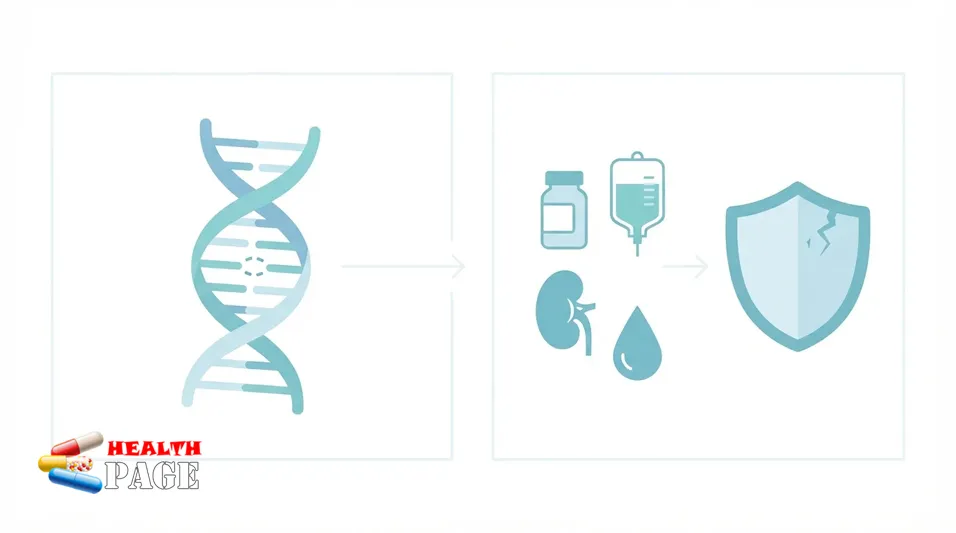
What causes a weakened immune system?
Often more than one factor is involved. The most common groups are below.
| Cause | How it can weaken immunity |
|---|---|
| Medicines: chemotherapy, corticosteroids, immunosuppressants, biologic drugs (such as rituximab) | Deliberately or incidentally reduce immune cell numbers or antibody production |
| Blood and lymph cancers (leukaemia, lymphoma, myeloma) | Disrupt the cells that make antibodies and fight infection |
| HIV | Destroys CD4 T cells, which coordinate the immune response |
| Long-term conditions: diabetes, kidney failure, advanced liver disease | Impair white blood cell function or cause loss of protective proteins |
| Malnutrition and some nutrient deficiencies | Limit the raw materials immune cells need |
| Surgery or radiotherapy, including removal of the spleen | Remove or damage immune tissue |
Immunodeficiency UK identifies medicines that act on the immune system (immunosuppressants, biologics and chemotherapy) as the main drug-related causes. These treatments are often essential, and the trade-off is something your care team weighs with you.
Everyday factors
Several lifestyle and life-stage factors can contribute, usually in a modest way. Smoking, heavy alcohol use, long-term poor sleep and persistent psychological stress can all affect immune function. Chronic stress keeps levels of hormones such as cortisol high, which can dampen some immune responses. These factors alone rarely cause true immunodeficiency, but they matter more if you already have another risk.
Older age is also relevant. The immune system gradually becomes less responsive over time, which is one reason infections tend to be more serious in older adults.
Nutrition
Zinc, selenium, iron, copper, vitamin D and protein all support normal immune function, and significant deficiencies can impair it. This is mostly seen in severe or long-term malnutrition, or in conditions that stop the gut absorbing nutrients. Taking extra supplements when you are not deficient has not been shown to boost a healthy immune system, and high doses of some minerals (zinc, for example) can cause harm. If you suspect a deficiency, ask your doctor to test for it first. Our guide to the signs of magnesium deficiency shows how vague these symptoms can be, and why testing beats guessing.
Pregnancy
The immune system adapts during pregnancy so that the body tolerates the baby. These changes can make some infections more significant, but they are temporary and are not a disease. They do not need treatment to “correct” them. They are one reason pregnant women are offered certain vaccines.
Signs and symptoms to look out for
There is no single symptom of secondary immunodeficiency. The common thread is infection that is unusually frequent, severe, long-lasting or unusual in type. Doctors often summarise this as infections that are serious, persistent, unusual or recurrent.
Examples include:
- Repeated chest, sinus, ear or urinary infections
- Infections that need several courses of antibiotics, or do not clear fully
- Slow-healing wounds, or recurring skin infections such as boils
- Frequent oral thrush or other fungal infections
- Repeated or severe herpes infections, including shingles
- Persistent tiredness or low-grade fever without another explanation
- Swollen lymph nodes that keep coming back
Frequency on its own does not prove an immune problem. Adults commonly have a few colds a year, and busy parents, teachers and healthcare workers can have more. Cleveland Clinic suggests that around four or more colds a year, or infections that take much longer than the usual week or two to clear, are worth raising with a doctor. The pattern, severity and your health history matter more than any single number.
Because the symptoms of the underlying illness often dominate, secondary immunodeficiency can be missed. People with a known risk factor, such as chemotherapy or long-term steroids, should mention any new infection promptly rather than waiting to see if it settles.
When to get urgent help
If you are immunosuppressed, an infection can progress quickly and the usual warning signs, such as redness and swelling, may be muted. Patient.info advises urgent medical attention for a temperature above 38°C or for chills and shaking. Also seek urgent care for breathlessness, confusion, severe pain, or a wound that is spreading, hot or leaking pus. If you are having chemotherapy, follow the emergency contact advice your treatment team gave you.
Complications
The main risk is serious infection. Pneumonia, blood infection (sepsis), abscesses and spreading skin infections (cellulitis) are the most significant. Infections caused by organisms that rarely trouble healthy people, called opportunistic infections, are another feature; examples include some fungal infections and parasites such as toxoplasma. Reactivation of viruses that normally stay quiet in the body, such as herpes viruses, can also happen.
How serious these complications are depends largely on how severe the immune deficit is and on the underlying condition. This is why two people with the same diagnosis can have very different experiences.
How is secondary immunodeficiency diagnosed?
Diagnosis begins with a detailed conversation. The doctor will ask about your infections, medicines (including past ones), surgeries, long-term conditions and lifestyle. A physical examination follows, looking at lymph nodes, skin, mouth and chest.
Tests then help identify how the immune system is affected and why. Commonly these include:
- Full blood count with differential, which shows whether white blood cell types such as neutrophils or lymphocytes are low
- Immunoglobulin levels (IgG, IgA, IgM), which measure antibodies in the blood
- Lymphocyte subset counts, which count types of T cells and B cells
- Antibody response to vaccines, sometimes used to see whether antibodies work as they should
- HIV testing, where appropriate
- Tests for the possible underlying cause, such as blood glucose, kidney and liver function, or nutrient levels
An immunologist may order more specialised tests of immune cell function. Doctors do not interpret a single abnormal result in isolation. A low antibody level that appears after a course of treatment may be monitored over time before any decision is made. Frontiers in Immunology notes in a 2025 review that antibody testing is not routinely included in care for everyone at risk, which is one reason hypogammaglobulinaemia (low antibody levels) can go unnoticed.
Some countries use a broader “immunogram” panel covering dozens of markers. These panels can be useful in specialist hands, but results need careful interpretation and should not be used to self-diagnose.
Treatment
Treatment of secondary immunodeficiency has two parts: addressing the cause and protecting you from infection while the immune system is weakened.
Treating the underlying cause
This is the first step. It might mean controlling diabetes better, treating HIV with antiretroviral therapy, correcting a nutritional deficiency, or treating kidney or liver disease. Where a medicine is responsible, your specialist may be able to adjust the dose, change the drug or shorten the course. Never stop a prescribed immunosuppressant or steroid yourself. Stopping steroids suddenly can be dangerous, and stopping other treatments can allow the underlying condition to flare. Immunodeficiency UK points out that when the cause can be removed, the immune system returns to normal in many people.
Preventing infections
Infection prevention is central and often very effective:
- Keeping vaccinations up to date, including seasonal flu, COVID-19 and pneumococcal vaccines where recommended
- Good hand hygiene, and avoiding close contact with people who are visibly unwell
- Prompt treatment of infections, and sometimes preventive (prophylactic) antibiotics or antivirals in higher-risk situations
- Prompt wound care and good dental hygiene
- Stopping smoking and keeping alcohol low
Vaccines need special thought. Inactivated vaccines (those that cannot cause infection) are generally safe and recommended. Live vaccines, however, are usually avoided in people with significant immune suppression. Where possible, vaccines are best given before immunosuppressive treatment begins, because the response can be weaker afterwards. Your immunologist or specialist team will advise on timing.
Immunoglobulin replacement therapy
Some people with secondary immunodeficiency have low levels of protective antibodies (secondary hypogammaglobulinaemia) and suffer severe or repeated infections despite other measures. This is most often seen after treatments such as rituximab or in cancers like chronic lymphocytic leukaemia and myeloma. In selected patients, immunologists may offer immunoglobulin replacement, which supplies antibodies pooled from donated plasma. It can be given into a vein (intravenous, IVIG) or under the skin (subcutaneous, SCIG).
It is not suitable for everyone. The 2025 Frontiers in Immunology review notes that the thresholds for starting this treatment vary between regions and specialties, and decisions are made individually, usually when infections are serious or recurrent and other measures have failed. Treatment is regularly reviewed to see whether it is still needed. Stem cell transplantation, sometimes mentioned in older sources as a “replacement” option, is a major treatment used mainly for certain blood cancers and inherited immune disorders, not a routine treatment for secondary immunodeficiency.
What about immune “boosters”?
Many products claim to boost immunity, including immunostimulant drugs, herbal products and high-dose vitamins. The evidence for most of them in people with secondary immunodeficiency is limited, and some can cause harm. There are also theoretical risks in stimulating the immune system in autoimmune conditions or after a transplant. Do not self-prescribe immunomodulating medicines or supplements. If you are interested in a particular product, discuss it with the specialist who manages your condition.
Outlook and prevention
The outlook depends mainly on the underlying cause. Immune weakness from temporary causes such as short-term malnutrition, a recent illness or a completed course of treatment often improves once the cause is dealt with. Immune weakness from a continuing condition such as advanced cancer, uncontrolled HIV or long-term immunosuppression needs ongoing management, though many people live well with the right care.
You cannot prevent every cause, but some steps help: managing long-term conditions well, eating a varied diet, not smoking, limiting alcohol, sleeping enough, staying active, and keeping vaccinations current. If you are starting a treatment known to affect immunity, ask your team what to watch for and who to contact.
Frequently asked questions
Is secondary immunodeficiency the same as AIDS?
No. AIDS is the advanced stage of untreated HIV infection, and it is one cause of secondary immunodeficiency. Many other causes exist, and most people with secondary immunodeficiency do not have HIV.
Can secondary immunodeficiency be reversed?
Sometimes. If the cause is temporary or treatable, immunity can recover once it is addressed. When the cause is permanent or ongoing, the aim is to protect against infection and manage the condition.
Does stress cause immunodeficiency?
Long-term stress can reduce how well some immune responses work, but it rarely causes true immunodeficiency by itself. It can add to the effect of other factors.
How do I know if my frequent infections are a problem?
Look at the pattern: infections that are severe, last unusually long, need repeated antibiotics, or involve unusual germs deserve medical review. Several ordinary colds a year are usually not a concern.
Which doctor treats secondary immunodeficiency?
Your GP is the usual starting point. Care is often shared between the specialist managing the underlying condition and a clinical immunologist.
Should I take supplements to strengthen my immune system?
Only if a deficiency has been confirmed or your doctor recommends it. Extra supplements do not strengthen an otherwise healthy immune system, and some can be harmful in high doses.
Final thoughts
Secondary immunodeficiency is common and often treatable because it has a cause that can usually be found. The practical steps are to notice patterns of unusual or persistent infection, tell your doctor about any medicines or conditions that might affect immunity, and seek urgent help for fever or rapidly worsening symptoms. With the cause identified and the right protection in place, many people recover their immune strength or live well alongside a long-term condition.
This article is for general information and does not replace advice from a qualified healthcare professional.
References
- Immunodeficiency UK. Immunodeficiency
- Frontiers in Immunology (2025). Secondary antibody deficiency and immunoglobulin replacement therapy: review
- Patient.info. Immunosuppression (weak immune system)

Dr. Sana Lodhi is a qualified medical doctor (MBBS) with a strong commitment to patient care and evidence‑based medicine. With years of clinical experience and her current role at Liaquat University of Medical & Health Sciences (LUMHS), she brings trusted medical insights to readers, simplifying complex health topics into clear, practical guidance. Her passion lies in promoting preventive healthcare, empowering individuals to make informed decisions, and bridging the gap between medical knowledge and everyday wellness. At HealthyPost.co.uk, Dr. Lodhi shares expert perspectives on health, lifestyle, and medical awareness to help readers live healthier, more balanced lives.