
Manual Disimpaction: Procedure, Benefits, Risks, and When It’s Needed
Medical Disclaimer: The article titled “Manual Disimpaction: Procedure, Benefits, Risks, and When It’s Needed”, written by Dr. Sana Lodhi (General Medicine), is published for informational and educational purposes only. It should not be construed as professional medical advice, diagnosis, or treatment.
Always seek the advice of your physician or other qualified health provider with any questions you may have regarding a medical condition or procedure. Never disregard professional medical advice or delay in seeking it because of something you have read in this article.
Manual disimpaction is a medical procedure in which a trained clinician uses a lubricated, gloved finger to break up and remove hardened stool from the rectum. It is usually considered when a hard fecal mass cannot be passed on its own and gentler options, such as laxatives, suppositories or enemas, have not worked or are not suitable. It is not a routine treatment for everyday constipation, and it is not something to attempt at home. This guide explains what the procedure involves, who needs it, what can go wrong, and what else can be tried first.
What Is Manual Disimpaction?
Starting with fecal impaction
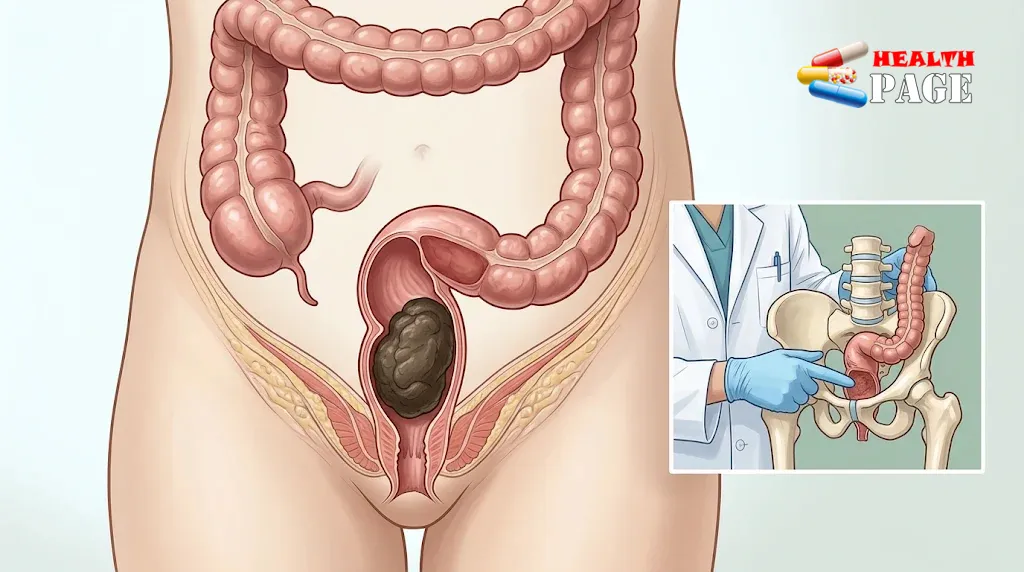
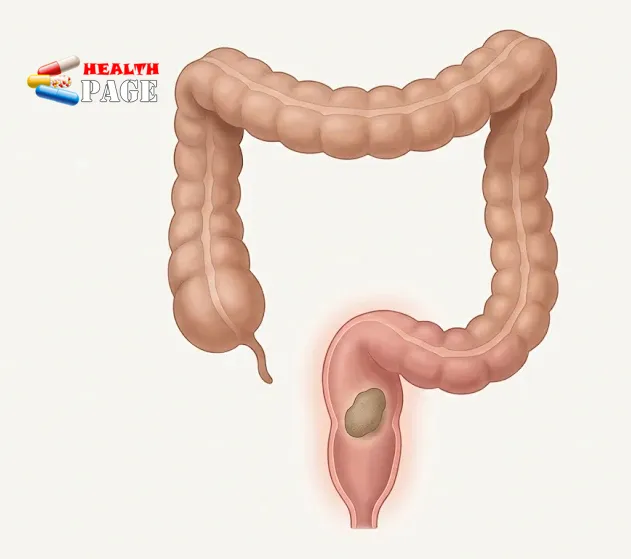
Fecal impaction means hard, dry stool has become packed into the rectum or colon and cannot be expelled by normal bowel movements. It is not simply a bad bout of constipation. It is a mass of stool that has become a blockage of its own, and it often follows long-standing constipation. According to StatPearls, a clinical reference from the National Library of Medicine, fecal impaction is most common among elderly people who are hospitalized or in institutional care. It can occur at any age, though, particularly in people who are less mobile or who take medications that slow the bowel.
Doctors sometimes use the word fecaloma for a hardened lump of stool. The two terms overlap, but a fecaloma usually describes a particularly large, dense mass.
Manual, digital, and fecal disimpaction
These terms are closely related, and different sources use them almost interchangeably.
| Term | What it means |
|---|---|
| Fecal impaction | Hardened stool trapped in the rectum or colon |
| Fecal disimpaction | The overall process of clearing impacted stool by any method |
| Manual disimpaction | Physically breaking up and removing impacted stool by hand |
| Digital disimpaction | Manual disimpaction using a gloved finger |
| Disimpaction procedure | A broader phrase for the methods used to clear an impaction |
Cleveland Clinic notes that manual disimpaction and digital evacuation are other names for digital disimpaction. So when you see any of these phrases, they generally point to the same hands-on approach, performed by a clinician.
What Causes Fecal Impaction?
Impaction rarely appears overnight. It usually builds when stool moves too slowly through the colon, so the bowel keeps absorbing water from it until it turns hard and dry. Common contributors include:
- Chronic constipation that has gone untreated
- Slow movement through the colon
- Too little fluid or dietary fiber
- Low physical activity or long periods in bed
- Pelvic floor dysfunction, where the muscles that coordinate a bowel movement do not work smoothly together
- Repeatedly ignoring the urge to go
Several medical conditions raise the risk too, including Parkinson’s disease, multiple sclerosis, stroke, spinal cord injury, diabetes, an underactive thyroid, cerebral palsy, Hirschsprung disease and megacolon. In some people, a gastrointestinal disorder or partial blockage is part of the picture.
Medications matter more than many people realize. Opioid pain relievers are a well-known cause, and some antidepressants, calcium channel blockers and iron supplements can also slow the bowel. If you take opioid pain medication, it is worth understanding its side effects; HealthPage has a guide to oxycodone and OxyContin differences and side effects that covers constipation among them. Never stop a prescribed medicine without speaking to your doctor first.
What Are the Symptoms of Fecal Impaction?
Early on, impaction can look like ordinary constipation. Clues that it may be something more include:
- Difficulty passing stool, or repeated urges with little result
- Hard, dry or lumpy stool
- A feeling that the bowel has not emptied
- Rectal pressure or discomfort
- Abdominal pain, bloating or swelling
- Loss of appetite or nausea
The overflow diarrhea trap
The most misleading symptom is diarrhea. When a hard mass sits in the rectum, liquid stool can seep around it and leak out. The result is watery stool or unexpected soiling in someone who is, in fact, severely blocked. The NHS describes this as the main symptom of faecal impaction: diarrhoea leaking through the build-up of solid poo. A person may reach for anti-diarrhea medicine, which would make matters worse, so watery stool in a person with a history of constipation deserves a medical opinion.
In older adults and people with dementia, the signs can be even less obvious. Confusion, agitation or a sudden change in behavior may be the first hint that someone is uncomfortable.
How Is Fecal Impaction Diagnosed?
Diagnosis needs a clinician. A doctor or nurse will usually ask how long the problem has lasted, how often you pass stool, whether you have pain or bloating, what medicines you take and whether you have had abdominal surgery.
The key examination is a digital rectal exam, in which a gloved, lubricated finger is used to check for hard stool, sphincter tone and other problems such as hemorrhoids or fissures. StatPearls describes the exam as mandatory as the first diagnostic evaluation to confirm fecal impaction. A clear rectal exam does not rule impaction out, because the stool may sit higher in the colon. In that case, the same source points out that an abdominal X-ray can sometimes show stool loading proximal to the blockage. Source: StatPearls, Fecal Impaction statpearlsstatpearls
Depending on symptoms, other tests may include a CT scan, blood work to check electrolytes and thyroid function, or colonoscopy to look for a cause of obstruction.
When Is Manual Disimpaction Needed?
Manual disimpaction is generally not the first step. Cleveland Clinic says that providers usually recommend other treatments first, such as laxatives, stool softeners or an enema.
- A hard fecal mass is felt low in the rectum and cannot be passed
- Other treatments have failed or cannot be used safely
- Severe constipation does not respond to therapy
- A condition such as pelvic floor dysfunction keeps stool from passing
Location matters. As a rule, impactions low in the rectum are more likely to be treated with hands-on removal or rectal medicines, while stool higher in the colon often responds better to oral laxatives, with polyethylene glycol (PEG) a common choice.
How Is the Disimpaction Procedure Performed?
The following is a general overview of what happens in a clinical setting, not a how-to. Cleveland Clinic states clearly that only a trained medical professional should do digital disimpaction, and you should not try to disimpact yourself. The NHS gives the same warning.
A typical procedure follows these stages:
- Assessment. The clinician reviews symptoms, medical history, the location of the stool and any warning signs of complications.
- Preparation. The procedure is explained, privacy is protected and infection-control measures are followed.
- Positioning. You are usually asked to lie on your side with your knees drawn toward your belly.
- Examination and lubrication. A lubricated, gloved finger is used to assess the rectum.
- Removal. When appropriate, the clinician carefully breaks the stool into smaller pieces and removes them.
- Monitoring. You are watched for pain, bleeding, dizziness or other problems.
- Follow-up care. A plan is made to restore regular bowel function and prevent a repeat.
Many different clinicians can perform it, including physicians, nurse practitioners, physician assistants and registered nurses. In severe cases, it may be done in an operating room under anesthesia. StatPearls adds that discomfort is expected during disimpaction, but pain is not, and the patient’s complaints should be taken seriously.
What Are the Benefits of Manual Disimpaction?
When it is the right treatment, the benefits can be quick and concrete:
- It removes the blockage directly. Hardened stool is cleared from the rectum rather than waiting for medication to work.
- It relieves pressure and discomfort. Cleveland Clinic notes that people with abdominal pain, nausea or loss of appetite usually feel better within minutes.
- It can help prevent complications. Clearing a persistent impaction may reduce the risk of bleeding, sores in the bowel, stool leakage and, rarely, perforation.
- It works alongside other care. Clearing the rectum often paves the way for laxatives, suppositories or a long-term bowel plan.
It helps to be realistic, though. Manual disimpaction treats the blockage, not the reason it formed. It does not cure chronic constipation, and impaction can return if the underlying causes are not addressed.
What Are the Risks and Complications?
When performed correctly by a trained professional, the risk is low, but it is not zero. The rectal lining is delicate, and possible problems include:
- Pain, irritation or rectal bleeding
- Small tears (anal fissures) or injury to the rectal lining or anal sphincter
- Infection
- Fainting or a temporary change in heart rate or rhythm, because the procedure can overstimulate the vagus nerve
- Rarely, a more serious rectal injury or perforation
Doctors separate these risks from the complications of impaction itself, and the distinction matters. Untreated impaction can cause bowel obstruction, pressure ulcers in the rectum or colon, urinary problems, fecal incontinence, electrolyte disturbances, kidney problems and, in severe cases, perforation and peritonitis. Those are dangers of leaving a blockage alone, not side effects of treating it.
That is one reason the procedure should never be attempted by caregivers or patients themselves. Without training, the risk of injury rises, and a person with a more serious obstruction could be harmed by delay or by the wrong approach.
Fecal Impaction Treatment: What Are the Alternatives?
Manual removal is one tool among several. The right choice depends on where the stool is, how severe the impaction is, what caused it and whether there are complications.
| Option | What it does | Notes |
|---|---|---|
| Suppositories | Stimulate the rectum to empty; glycerin is one example | Used in selected patients |
| Enemas | Soften stool and help it pass | Not suitable for everyone; improper use can injure the rectum |
| Osmotic laxatives (e.g., PEG) | Hold water in the bowel to soften stool | Often used for stool higher in the colon |
| Manual disimpaction | Breaks up and removes stool from the rectum | Considered when other measures are inadequate |
| Endoscopic treatment | Helps assess or relieve obstruction in selected cases | Done by specialists |
| Surgery | Treats severe complications | Generally reserved for cases such as perforation or obstruction |
StatPearls summarizes the usual logic: if an abdominal X-ray shows the impaction is distal, enemas and suppositories can be helpful. The NHS lists a similar range of options, from stronger laxatives to a suppository, a mini enema or a healthcare professional removing some of the stool.
Enema and laxative use also needs care. If severe pain, vomiting or inability to pass gas is present, a blockage may be more serious and repeated home treatment is not appropriate.
What Happens After Manual Disimpaction?
Recovery is usually short, because the procedure is not surgery. Cleveland Clinic explains that in most cases people can resume normal routines a few minutes afterward unless anesthesia was needed. Beyond the first few hours, follow-up depends on the severity of the impaction and whether complications arose.
Typical aftercare includes:
- Watching your bowel movements over the next few days
- Reporting persistent abdominal or rectal pain, bleeding or stool leakage
- Taking any prescribed laxatives or stool softeners as directed
- Drinking enough fluid, within any limits your doctor has set
- Following an individualized bowel plan
- Finding out why constipation keeps recurring, including reviewing medications
Not everyone recovers at the same pace, and some people, especially older adults, need ongoing support to avoid another episode.
How Can You Prevent Fecal Impaction?
Prevention is mostly about keeping stool soft and moving:
- Fiber. Add fiber gradually from vegetables, fruits, whole grains, beans and similar foods. Increasing it too fast can cause gas and bloating. For a general look at fiber’s role in nutrition, see HealthyPost’s article on fiber and protein.
- Fluids. Keep hydrated, unless a medical condition limits your fluid intake.
- Movement. Regular activity helps the bowel, and even a daily walk can matter. The NHS suggests a daily walk or run can help you poo more regularly.
- Toilet habits. Do not routinely put off the urge to go.
- Medication review. Ask your doctor whether any of your medicines contribute to constipation.
- Care for people with limited mobility. Regular bowel routines, help with moving, and monitoring can lower the risk for older adults and bed-bound patients.
General fiber and fluid targets vary from person to person, so ask your clinician what suits you, particularly if you have kidney, heart or digestive conditions.
When Should You Seek Medical Attention?
Get urgent medical help if constipation comes with any of the following:
- Severe or worsening abdominal pain
- Marked abdominal swelling
- Vomiting
- Inability to pass stool or gas
- Rectal bleeding
- Fever with abdominal pain
- Severe weakness, dizziness or fainting
These can point to bowel obstruction or another emergency. Do not keep trying laxatives, enemas or manual removal at home in that situation. For less urgent concerns, the NHS advises seeing a GP if constipation is not improving, keeps returning, or occurs alongside blood in the stool, unexplained weight loss or new bowel changes. Speak to your GP before you stop taking any prescribed medicine.
Frequently Asked Questions
Is manual disimpaction the same as digital disimpaction?
For practical purposes, yes. Digital disimpaction refers specifically to using a gloved finger, while manual disimpaction is the wider term for removing stool by hand. In patient information the two are used interchangeably.
Is manual disimpaction painful?
Many people describe pressure and discomfort rather than sharp pain, but experiences vary. If the impaction is large or the area is tender, a clinician may use additional measures, including anesthesia in severe cases. Tell the clinician right away if you feel sharp or increasing pain.
Can fecal impaction go away without it?
Sometimes. Impactions in the lower rectum may respond to suppositories, enemas or stronger laxatives, and impactions higher in the colon often respond to oral laxatives. Whether the problem resolves depends on its location and severity, which is why a medical assessment matters.
Can fecal impaction cause diarrhea?
Yes. Liquid stool can leak around a hard mass, producing watery stool or soiling even though the bowel is blocked. A history of constipation followed by sudden watery leakage is worth reporting to a clinician.
Who performs manual disimpaction?
Trained health professionals, including physicians, nurse practitioners, physician assistants and registered nurses. It is not a procedure for patients or family caregivers to do at home.
Conclusion
Manual disimpaction has a clear but limited role. It is a clinician-led way to clear hard stool from the rectum when gentler fecal impaction treatment has not worked or cannot be used, and it can bring relief quickly. It does not fix the reasons the impaction formed, so aftercare, hydration, fiber, movement and a review of constipating medications are what keep the problem from returning. If you or someone you care for has long-standing constipation, rectal pressure, or unexpected watery leakage, book a medical assessment sooner rather than later, and seek urgent care if severe pain, vomiting or bleeding appears.
Medical note: This article is for general education and does not replace advice from a qualified healthcare professional.
References
- Setya A, Mathew G, Cagir B. “Fecal Impaction.” StatPearls, National Library of Medicine (NCBI Bookshelf). https://www.ncbi.nlm.nih.gov/books/NBK448094/
- Cleveland Clinic. “Digital Disimpaction: What It Is, Procedure & Risks.” https://my.clevelandclinic.org/health/treatments/25237-digital-disimpaction
- NHS. “Constipation.” https://www.nhs.uk/conditions/constipation/

Dr. Sana Lodhi is a qualified medical doctor (MBBS) with a strong commitment to patient care and evidence‑based medicine. With years of clinical experience and her current role at Liaquat University of Medical & Health Sciences (LUMHS), she brings trusted medical insights to readers, simplifying complex health topics into clear, practical guidance. Her passion lies in promoting preventive healthcare, empowering individuals to make informed decisions, and bridging the gap between medical knowledge and everyday wellness. At HealthyPost.co.uk, Dr. Lodhi shares expert perspectives on health, lifestyle, and medical awareness to help readers live healthier, more balanced lives.