
7-Day Meal Plan for Acid Reflux: Easy GERD-Friendly Meals
Medical Disclaimer: This article, “7-Day Meal Plan for Acid Reflux: Easy GERD-Friendly Meals,” was authored by Dr. Sana Lodhi for educational and informational purposes only. The contents, including meal plans, recipes, and dietary suggestions, do not constitute formal medical advice, diagnosis, or treatment. Acid reflux and GERD triggers can vary significantly from person to person. Always seek the advice of your physician or a qualified healthcare provider before making significant changes to your diet or health regimen.
Acid reflux can make ordinary meals feel like a daily guessing game: Is coffee the problem? Was dinner too large? Did lying down after eating make it worse? A 7-day meal plan for acid reflux can provide a practical starting point without turning your diet into a long list of forbidden foods.
Acid reflux happens when stomach contents flow back into the esophagus. When reflux repeatedly causes symptoms or complications, it may be diagnosed as gastroesophageal reflux disease (GERD). Heartburn and regurgitation are common symptoms. Food choices can matter, but there is no single diet that works for everyone, and a meal plan should help you identify personal triggers rather than promise to cure GERD.
What Is Acid Reflux and GERD?
Acid reflux is the backward movement of stomach contents into the esophagus, the tube connecting your mouth to your stomach. GERD is the longer-term condition in which reflux repeatedly causes troublesome symptoms or complications.
The distinction matters because occasional heartburn does not automatically mean you have GERD. Frequent symptoms, difficulty swallowing, persistent vomiting, unexplained weight loss, or symptoms that interfere with daily life deserve medical attention.
Dietary changes can help some people manage symptoms, especially when they reduce personal triggers, moderate meal size, and avoid eating close to bedtime. The National Institute of Diabetes and Digestive and Kidney Diseases (NIDDK) notes that people with nighttime symptoms may benefit from finishing meals at least three hours before lying down.
How This 7-Day Acid Reflux Meal Plan Works
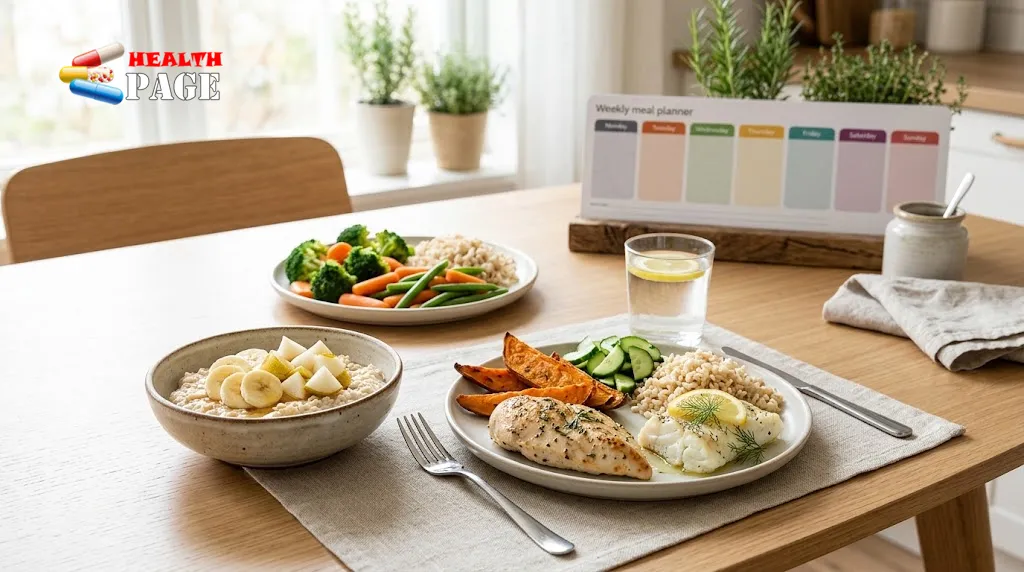
The menu below emphasizes moderate portions, whole grains, vegetables, lean proteins, lower-fat dairy when tolerated, and fruits that are often less acidic. It deliberately avoids many commonly reported triggers, including spicy foods, chocolate, alcohol, high-fat meals, coffee, mint, tomatoes, and citrus.
That does not mean every person with GERD must permanently avoid those foods. Your symptoms are the deciding factor. Mayo Clinic describes an individualized approach as more practical than unnecessarily restrictive eating.
The meals are also intentionally simple. You can adjust seasonings, portion sizes, and ingredients based on your nutritional needs, allergies, cultural foods, and personal tolerance.
7-Day Meal Plan for Acid Reflux
Day 1
Breakfast: Oatmeal topped with banana slices, with low-fat milk or a suitable non-dairy alternative.
Lunch: Grilled skinless chicken, brown rice, and steamed green beans.
Snack: Low-fat yogurt and a pear.
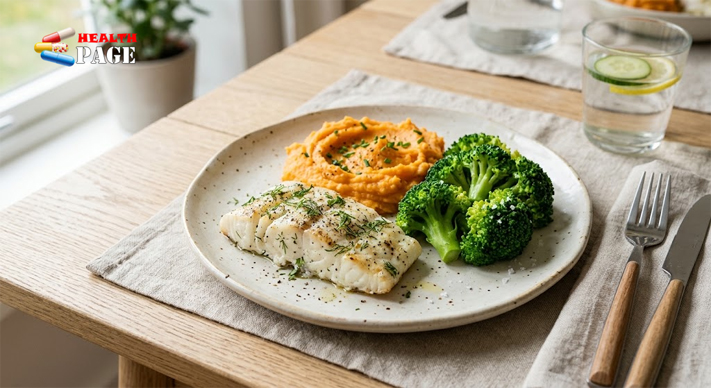
Dinner: Baked fish, mashed sweet potato, and steamed broccoli.
The combination provides fiber-rich grains and vegetables alongside relatively lean protein without relying on spicy, fried, or tomato-based ingredients.
Day 2
Breakfast: Whole-grain toast, scrambled eggs, and a banana.
Lunch: Turkey sandwich on whole-grain bread with lettuce and cucumber, plus a pear.
Snack: A small bowl of oatmeal or low-fat yogurt.
Dinner: Grilled chicken with brown rice, cooked carrots, and green beans.
If eggs are personally associated with symptoms, substitute another lean protein rather than removing eggs from your diet automatically.
Day 3
Breakfast: Oatmeal with melon and low-fat yogurt.
Lunch: Baked fish, sweet potato, and steamed vegetables.
Snack: Banana with a small portion of unsalted nuts if tolerated.
Dinner: Skinless chicken with brown rice, broccoli, and carrots.
The goal is not to make every meal bland. Herbs and mild seasonings can add flavor without relying on chili, hot peppers, heavy sauces, or large amounts of fat.
Day 4
Breakfast: Whole-grain toast with scrambled egg and melon.
Lunch: Chicken and rice bowl with lettuce, cucumber, and a mild non-tomato dressing.
Snack: Low-fat yogurt and banana.
Dinner: Baked fish, sweet potato, and green beans.
If a dressing causes symptoms, try a simpler version or leave it off. Acidic dressings containing citrus or vinegar may be problematic for some people.
Day 5
Breakfast: Oatmeal with pear and low-fat milk or a suitable alternative.
Lunch: Turkey sandwich with lettuce and cucumber, plus melon.
Snack: Banana.
Dinner: Grilled chicken, brown rice, steamed carrots, and broccoli.
This day illustrates an important principle of an acid reflux diet plan: repeating a few well-tolerated ingredients can make meal planning easier without requiring highly specialized foods.
Day 6
Breakfast: Scrambled eggs, whole-grain toast, and banana.
Lunch: Baked fish, brown rice, and green beans.
Snack: Low-fat yogurt and pear.
Dinner: Chicken with sweet potato, steamed broccoli, and cucumber or lettuce.
Choose cooking methods such as baking, grilling, steaming, or poaching more often than deep-frying when high-fat meals tend to worsen your symptoms.
Day 7
Breakfast: Oatmeal, banana, and low-fat yogurt.
Lunch: Grilled chicken, brown rice, carrots, and green beans.
Snack: Melon with a small portion of unsalted nuts if tolerated.
Dinner: Baked fish, sweet potato, and broccoli.
You can repeat this seven-day menu, mix meals between days, or use it as a template for building your own GERD meal plan.
Foods to Eat With Acid Reflux
There is no universal list of foods that “fix” reflux. However, many people can build a balanced heartburn-friendly diet around foods that are less fatty, minimally processed, and personally well tolerated.
Whole grains
Oatmeal, brown rice, whole-grain bread, and couscous are practical options. Fiber-rich foods can also help with overall diet quality and fullness.
Vegetables
Carrots, sweet potatoes, green beans, broccoli, asparagus, cucumber, lettuce, and cauliflower can fit into many GERD-friendly meals. Cooking vegetables may make them easier to eat if raw foods cause discomfort.
Lean proteins
Skinless chicken, turkey, fish, eggs, beans, and lentils can provide protein. Beans and lentils are nutritious but may cause gas or bloating in some people, so portion size and individual tolerance matter.
Fruits
Bananas, melons, pears, and some apples are reasonable choices for people who tolerate them. Less acidic does not mean symptom-free for everyone.
Lower-fat dairy
Low-fat yogurt or low-fat milk may work for some people. If dairy causes bloating or other symptoms, choose a suitable alternative instead.
Drinks
Water is a simple default. Non-caffeinated beverages and herbal tea may also fit, provided a particular drink does not trigger symptoms.
For a related breakfast idea, you can also explore overnight oats with chia seeds if the ingredients agree with you.
Foods to Avoid or Limit With Acid Reflux
The most useful approach is to think in terms of foods that trigger acid reflux for you, rather than a permanent universal blacklist.
Commonly associated triggers include:
| Food or drink | Why it may be problematic |
|---|---|
| Spicy foods | May aggravate symptoms in some people |
| Fried or high-fat foods | Can worsen reflux symptoms for some people |
| Tomatoes and tomato sauces | Commonly associated with symptoms |
| Citrus fruits | Acidic and may aggravate symptoms |
| Chocolate | Commonly reported as a trigger |
| Coffee and caffeine | May trigger symptoms in some people |
| Alcohol | Common reflux trigger |
| Mint or peppermint | May worsen reflux in some people |
| Carbonated drinks | Can aggravate symptoms for some people |
NIDDK specifically lists acidic foods such as citrus and tomatoes, alcohol, chocolate, coffee and other caffeine sources, high-fat foods, mint, and spicy foods among foods and drinks commonly linked with GERD symptoms.
This does not mean you have to eliminate every item immediately. If a food never causes symptoms, removing it solely because it appears on a generic GERD food list may make your diet unnecessarily restrictive.
Meal Timing Matters as Much as the Menu
A carefully chosen dinner can still cause trouble if you eat it immediately before bed.
For nighttime or lying-down symptoms, NIDDK advises eating meals at least three hours before lying down or going to bed. Mayo Clinic similarly recommends waiting at least three hours before bedtime.
A practical schedule might look like:
- Breakfast: 7–8 AM
- Lunch: 12–1 PM
- Snack: 3–4 PM
- Dinner: 6–7 PM
- Bedtime: 9:30–10 PM or later
The clock is not the important part. The useful principle is creating enough time between your last substantial meal and lying down.
Staying upright after eating can also be helpful. If you regularly experience nighttime reflux despite these measures, discuss it with a healthcare professional.
Portion Size and Eating Habits
Ingredients are only part of the picture. Large meals can be more difficult for some people with reflux, particularly when followed by lying down.
Try:
- Moderate portions rather than very large meals.
- Eating slowly and chewing thoroughly.
- Keeping dinner lighter if heavy evening meals trigger symptoms.
- Avoiding late-night snacks when they worsen nighttime reflux.
- Remaining upright after meals.
- Watching whether very fatty meals consistently cause symptoms.
For additional context about pain or discomfort after eating, see postprandial stomach pain. Repeated pain after meals should not automatically be assumed to be reflux.
Simple Food Substitutions
Small substitutions can make a GERD-friendly eating pattern much easier to maintain.
| Instead of | Try |
|---|---|
| Fried chicken | Grilled or baked chicken |
| French fries | Baked sweet potato |
| Tomato-based sauce | Mild non-tomato sauce |
| Spicy curry | Mildly seasoned chicken or fish |
| Full-fat dairy | Lower-fat dairy if tolerated |
| Chocolate dessert | Banana, melon, or pear |
| High-fat sausage | Lean turkey or chicken |
| Large late dinner | Smaller earlier dinner |
| Coffee, if it triggers symptoms | Water or a non-caffeinated drink |
| Carbonated drinks | Still water |
These are options, not medical requirements. If a food substitution does not suit your nutrition needs or personal preferences, choose another food with a similar nutritional role.
Acid Reflux-Friendly Grocery List
A simple shopping list can help you follow a 7 day GERD diet plan without buying specialized products.
Protein
- Skinless chicken
- Turkey
- Fish
- Eggs
- Beans or lentils if tolerated
Grains
- Oatmeal
- Brown rice
- Whole-grain bread
- Couscous
Vegetables
- Carrots
- Sweet potatoes
- Broccoli
- Green beans
- Cucumber
- Lettuce
- Cauliflower
Fruit
- Bananas
- Melons
- Pears
- Apples if tolerated
Dairy
- Low-fat yogurt
- Low-fat milk if tolerated
Drinks
- Water
- Non-caffeinated beverages
- Herbal tea if tolerated
How to Find Your Personal Trigger Foods
A food and symptom diary is often more useful than guessing.
| Food | Time eaten | Symptoms? | Severity |
|---|---|---|---|
| Coffee | 8 AM | Heartburn | Moderate |
| Banana | 10 AM | None | — |
| Spicy curry | 8 PM | Reflux | Severe |
Record the food, approximate portion, time, symptoms, and severity. You can also note whether you lay down soon afterward.
Look for repeated patterns rather than blaming a food after one isolated episode. If coffee causes symptoms repeatedly but bananas do not, your own record is more useful than a generic “GERD food list.”
An overly restrictive diet can make eating stressful and may reduce dietary variety. The goal is to identify the smallest set of changes that improves your symptoms while preserving a balanced diet.
Coffee, Tea, Milk, and Ginger: Common Questions
Can you drink coffee with acid reflux?
Coffee and other caffeine sources are commonly associated with GERD symptoms, but tolerance varies. If coffee repeatedly causes heartburn or regurgitation, reducing it or choosing a non-caffeinated alternative may be worth trying.
Is milk good for acid reflux?
Milk should not be treated as a cure for heartburn. Higher-fat milk may aggravate reflux for some people, while lower-fat milk may provide temporary relief for some individuals. Choose based on tolerance and overall dietary needs.
Is ginger good for acid reflux?
Ginger can be used as a food or beverage if you tolerate it, but it should not be presented as a proven GERD treatment. Mayo Clinic notes that complementary approaches such as ginger have not been proven to treat GERD or reverse damage to the esophagus. If you enjoy ginger tea, keep the preparation simple and stop if it worsens your symptoms. You can read more about ginger tea and digestive comfort, while remembering that it is not a substitute for medical treatment.
Weight and Acid Reflux
If you are overweight or have obesity, weight loss may improve GERD symptoms. This does not mean every person with reflux needs to lose weight.
If weight management is appropriate for you, aim for a nutritionally adequate eating pattern rather than a crash diet. A doctor or registered dietitian can help tailor a plan around your health, medications, activity level, and nutritional needs.
When Should You Talk to a Doctor?
Diet changes are not a substitute for evaluation when reflux is frequent, persistent, or complicated.
Arrange medical evaluation if you have:
- Heartburn occurring frequently, particularly two or more times a week.
- Symptoms that continue despite lifestyle changes or appropriate nonprescription treatment.
- Difficulty swallowing or painful swallowing.
- Persistent nausea or vomiting.
- Unexplained weight loss or difficulty eating.
- Symptoms that repeatedly disrupt sleep or daily activities.
New, severe, or unexplained chest pain should receive urgent medical assessment rather than being assumed to be heartburn.
Persistent reflux can sometimes damage the esophagus and may require treatment beyond dietary changes. If symptoms keep returning, a healthcare professional can determine whether GERD or another condition is responsible.
Conclusion
A 7-day meal plan for acid reflux works best as a flexible starting point, not a rigid prescription. The menu emphasizes oatmeal, whole grains, vegetables, lean protein, lower-fat dairy when tolerated, and less-acidic fruits while limiting commonly reported triggers such as spicy, high-fat, tomato-based, citrus, chocolate, caffeine, alcohol, and mint-containing foods.
The bigger lesson is personalization. Keep portions moderate, eat slowly, allow at least three hours between your last meal and bedtime when nighttime reflux is a problem, and track foods that repeatedly bring on symptoms.
If reflux remains frequent or you develop swallowing difficulty, persistent vomiting, unexplained weight loss, or significant chest pain, seek medical evaluation rather than relying on diet alone.
References
- National Institute of Diabetes and Digestive and Kidney Diseases — Eating, Diet, & Nutrition for GER & GERD
- Mayo Clinic — GERD: Diagnosis and treatment
- Johns Hopkins Medicine — GERD Diet: Foods That Help with Acid Reflux (Heartburn)

Dr. Sana Lodhi is a qualified medical doctor (MBBS) with a strong commitment to patient care and evidence‑based medicine. With years of clinical experience and her current role at Liaquat University of Medical & Health Sciences (LUMHS), she brings trusted medical insights to readers, simplifying complex health topics into clear, practical guidance. Her passion lies in promoting preventive healthcare, empowering individuals to make informed decisions, and bridging the gap between medical knowledge and everyday wellness. At HealthyPost.co.uk, Dr. Lodhi shares expert perspectives on health, lifestyle, and medical awareness to help readers live healthier, more balanced lives.