

What Does White Discharge Mean? Important Causes and Warning Signs
Written by: Dr. Wang Zhixin (Gynecology)
The article “What Does White Discharge Mean? Important Causes and Warning Signs” is provided for informational and educational purposes only and does not constitute medical advice, diagnosis, or treatment. Always consult a qualified healthcare provider or gynecologist regarding any questions, unusual symptoms, or concerns about your reproductive health. Never disregard professional medical advice or delay seeking care because of something you have read in this article.
A creamy white patch on your underwear is easy to read as a warning, especially if you have not noticed it before. So what does white discharge mean? In most cases it is ordinary vaginal secretion, the mix of fluid and mucus that keeps the vagina moist and protected, and it shifts in amount and texture with your hormones. It becomes worth attention when it arrives with a strong smell, itching, soreness, pain or bleeding that is unusual for you. This guide explains what is typical, what is not, and when a conversation with a clinician makes sense.
What White Vaginal Discharge Actually Is
Vaginal discharge is made up of fluid and mucus from the cervix and vagina, along with shed cells and the harmless bacteria that normally live there. It does several jobs at once. It lubricates the vagina, carries away old cells, and helps keep the vaginal environment slightly acidic, which discourages harmful organisms. The NHS describes it as normal for most women and girls, and says it can appear at any age.
Healthy discharge can be clear, milky white or slightly creamy. It may be thin and slippery on one day and thicker and stickier a week later. The colour alone says very little. White discharge does not confirm pregnancy, does not predict that your period is about to start, and does not by itself point to an infection. It is the surrounding details (smell, texture, symptoms and any sudden change from your own baseline) that carry the useful information.
Normal vs Abnormal Vaginal Discharge
This is the question most people are really asking, and the answer is a matter of degree and pattern rather than a single rule. Discharge is generally unremarkable when it has no strong or unpleasant smell, looks clear or white, and does not come with discomfort. The amount varies a great deal between women, and it is usually heavier during pregnancy, with some hormonal contraception, or when someone is sexually active. A faint yellow tinge on underwear once the discharge has dried is also common and does not automatically mean infection.
| Feature | Usually normal | May need assessment |
|---|---|---|
| Colour | Clear or milky white | Green, yellow, grey, or blood-stained |
| Texture | Slippery, sticky, or creamy | Frothy, lumpy, or like cottage cheese |
| Smell | Mild or none | Fishy, foul, or distinctly unpleasant |
| Itching or soreness | Absent | Persistent |
| Pain | Absent | Pain when passing urine, during sex, or in the pelvis |
These are general guides rather than diagnostic rules. Several conditions overlap, and a clinician may need to examine you or take a swab to tell them apart. The NHS advises against self-diagnosing from appearance alone, and suggests getting advice if discharge changes in colour, smell or texture, if there is more than usual, or if you feel itchy or sore, according to its guidance on vaginal discharge.
Some infections cause few or no symptoms at all, which is one reason a normal-looking discharge cannot fully rule one out. For a plain-language overview of what shifts in discharge can signal, HealthyPost has a useful primer on vaginal discharge and the facts every woman should know.
White Vaginal Discharge Causes
Normal hormonal changes
Oestrogen and progesterone shape cervical mucus and vaginal secretions, and their levels rise and fall across each cycle. That is why many women see more discharge at certain times, and why hormonal contraception can change the pattern. Nothing is wrong when this happens. It is physiology doing what it is designed to do, and it should not be treated as a condition.
If you also notice irregular cycles, spotting or mood changes alongside shifting discharge, it may be worth reading about the signs of low progesterone and talking to a doctor about whether your hormones need a closer look.
What does white discharge mean before period
White or creamy discharge in the days before menstruation is very common. After ovulation, progesterone rises, and this tends to make cervical mucus thicker, creamier and less stretchy. Many women notice a rise in this kind of discharge during the second half of the cycle, though how much and how thick it gets differs from person to person.
When it comes without odour, itching or irritation, it is generally the less worrying kind. It is also an unreliable clock. White discharge does not guarantee that your period will start on a particular day. If your period is late and pregnancy is possible, take a pregnancy test instead of trying to read the discharge, and if you see light spotting at the same time, this comparison of a light period versus implantation bleeding explains how the two can differ.
What does white discharge mean during pregnancy
Increased milky white discharge is one of the most common early changes in pregnancy and often continues throughout it. It is sometimes called leucorrhoea (spelled leukorrhea in the US). Hormonal shifts and greater blood flow to the vaginal tissues raise the amount of secretion, and the NHS notes that more discharge helps stop bacteria travelling up from the vagina to the womb.
Normal pregnancy discharge is thin, clear or milky white, and does not smell unpleasant. The NHS advises contacting your midwife if it smells bad or strange, turns green, yellow or brown, or comes with itching, soreness or pain when passing urine, as these can signal an infection that needs treating. Its page on vaginal discharge in pregnancy covers this in detail.
One distinction matters a great deal. A continuous watery leak or a sudden gush of fluid is not ordinary discharge. It may mean the waters have broken, and before 37 weeks that needs an immediate call to the maternity unit. The same applies to any bleeding, to a baby moving less than usual, and to fluid that is green, brown or blood-stained. Heavy bleeding, severe abdominal pain or fainting during pregnancy calls for emergency care.

Vaginal yeast infection (vulvovaginal candidiasis)
A yeast infection, often called thrush, happens when Candida, a yeast that normally lives in small numbers in the vagina, overgrows. The classic discharge is thick, white and cottage-cheese-like, and it usually has little or no smell. It tends to come with itching, redness and swelling around the vulva, stinging when passing urine, and discomfort during sex.
Recent antibiotics, pregnancy, poorly controlled diabetes and medicines or conditions that weaken the immune system can all make it more likely. Candida can also be present with no symptoms at all, so not every thick white discharge is thrush, and a diagnosis should rest on symptoms and, where needed, testing. If inner itching is the main complaint, this guide to why the vagina can feel itchy inside lists other possible explanations.
Bacterial vaginosis (BV)
Bacterial vaginosis is a shift in the balance of vaginal bacteria rather than an invasion by a new organism. It can produce thin white or grey discharge and a fishy smell that is often stronger after sex. Unlike thrush, it does not usually cause much soreness or itching, and about half of women with BV have no symptoms.
BV is not classed as a sexually transmitted infection, although sex can trigger it, and having it can raise the risk of catching an STI. The NHS explains the causes and treatment on its bacterial vaginosis page. Because a persistent change in smell is the symptom people notice first, this overview of vaginal odour and safe ways to address its causes may also help.
Sexually transmitted infections
Chlamydia, gonorrhoea and trichomoniasis can all change discharge. Trichomoniasis in particular is associated with frothy, yellow or green discharge. Other possible signs include burning when passing urine, pelvic pain, pain during sex, and bleeding between periods or after sex. The catch is that many of these infections cause no obvious symptoms, so colour and smell are poor guides. If you may have been exposed, testing is the dependable route.
Vaginitis and irritation
Vaginitis simply means inflammation of the vagina. Infection is one cause, but scented soaps, bubble baths, laundry detergents, wipes and other irritants can produce soreness and unusual discharge without any infection at all. Itching that centres on the outer area is covered in this article on vulvar itching, symptoms and treatment. Removing the likely irritant often helps, though persistent symptoms still deserve a proper assessment.
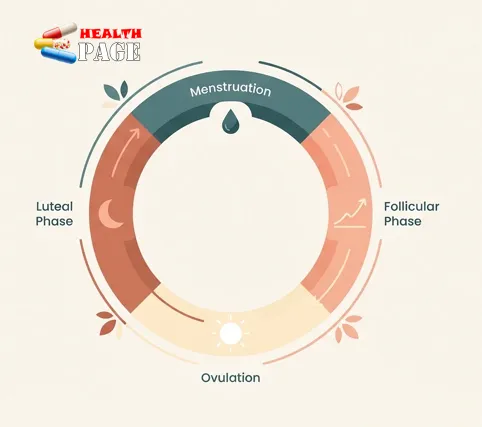
How Discharge Changes Across the Menstrual Cycle
Part of the confusion about white discharge comes from expecting it to look the same all month. It does not. The table shows a typical pattern, though your own may differ.
| Stage | Typical discharge |
|---|---|
| Just after a period | Lighter, thicker, or barely noticeable |
| Before ovulation | Increasingly wet, clear and slippery |
| Around ovulation | Stretchy, like raw egg white |
| After ovulation | Thicker, creamier, or white |
| Before the next period | Creamy, sticky, or thicker |
| During pregnancy | Often increased and milky white |
Tracking these shifts can help you understand your own cycle, but they cannot on their own diagnose pregnancy, confirm ovulation or identify an infection. After menopause, discharge usually becomes minimal because falling oestrogen thins and dries the vaginal tissues, and if that dryness becomes uncomfortable, this guide to vaginal dryness causes and treatments covers the options.
When Should You See a Doctor?
Arrange an appointment if you notice any of the following:
- A strong or fishy smell
- Itching or burning that does not settle
- Thick, frothy or lumpy discharge, or yellow, green or grey discharge
- Pain when passing urine or during sex
- Pelvic or lower abdominal pain
- Bleeding between periods or after sex
- Discharge that keeps coming back
Seek urgent care for severe pelvic or lower abdominal pain, especially with a fever or feeling very unwell, for heavy bleeding or fainting, and for any bleeding, significant pain or suspected fluid leakage during pregnancy. None of these automatically means something serious. They simply should not be left to wait.
How the Cause Is Diagnosed
A clinician will usually begin by asking when the discharge started, whether its colour or consistency has changed, whether there is a smell, itching, burning or pain, when your last period was, whether pregnancy is possible, and whether you have recently taken antibiotics or could have been exposed to an STI. Depending on the answers, they may examine the vulva, vagina and cervix and take a vaginal swab to look for yeast, BV or other infections. STI testing, a pregnancy test or a urine test may be added. Women with ordinary, unchanging white discharge do not need a battery of tests, and investigations should follow the symptoms rather than the colour.
Treatment Depends on the Cause
Normal hormonal discharge needs no treatment. Thrush is treated with antifungal medicine, BV usually with antibiotic tablets, gels or creams, and an STI with treatment specific to the infection. If an irritant is responsible, the first step is to stop using it. Because thrush, BV and STIs can look alike, guessing can lead to the wrong medicine, so avoid taking antibiotics without medical advice and avoid assuming every white discharge needs an antifungal. If you are pregnant, check with your midwife or doctor before using any vaginal medicine.
Keeping the Vagina Healthy
No routine can promise to prevent every infection, but a few habits reduce irritation.
- Wash only the outer genital area, with warm water or a mild, unperfumed soap.
- Skip douching, vaginal deodorants, scented wipes and homemade remedies. The vagina cleans itself, and washing inside it can disturb its balance.
- Choose breathable underwear and change out of damp clothing promptly.
- Use antibiotics only when they are prescribed.
- Practise safer sex and test for STIs when there is a reason to.
- If you have diabetes, keep it well managed.
Frequently Asked Questions
Does white discharge mean I am pregnant?
Not on its own. It occurs in cycles with and without pregnancy, and a pregnancy test is the reliable way to check.
Is all thick white discharge thrush?
No. Creamy, thick discharge can be perfectly normal, particularly after ovulation. Thrush is more likely when it is cottage-cheese-like and comes with itching or soreness.
How much discharge is too much?
There is no set figure. What matters is a clear change from your own usual amount, especially when paired with a new smell, colour or discomfort.
Can I treat itching and white discharge with an over-the-counter product?
If a clinician has previously diagnosed thrush and the symptoms are the same, a pharmacist can advise. For a first episode, repeated episodes, or any time you are pregnant, get it assessed first.
Will white discharge clear up on its own?
Hormonal discharge comes and goes without treatment. Discharge caused by infection often needs specific medication, so persistent or unusual symptoms should be checked.
Why do I get white discharge after sex?
Arousal and intercourse increase natural lubrication, and semen can leave the vagina as a whitish discharge afterwards, particularly without a condom. It becomes a concern only if there is a smell, itching or pain.
The Takeaway
For most women, white discharge is a sign of a healthy, hormone-responsive body rather than a problem. The signals that deserve attention are a change from your own normal, a strong smell, itching, pain, bleeding, or a watery leak in pregnancy. Learning your usual pattern makes those changes much easier to spot, and getting checked early is usually simple. For further reading, HealthPage’s women’s health guides cover related topics from periods to pregnancy.
References
- NHS. Vaginal discharge
- NHS. Vaginal discharge in pregnancy
- NHS. Bacterial vaginosis

Dr. Wang Zhixin is a distinguished Chief Physician specializing in comprehensive gynecology, perinatology, and maternal healthcare systems. She serves at the acclaimed
Shenzhen Maternity and Child Healthcare Hospital, a premier Grade-III Class-A medical center associated with Southern Medical University. With decades of clinical leadership, Dr. Wang is widely recognized for her contributions to reproductive wellness, prenatal diagnostic precision, and advanced clinical research safeguarding maternal-fetal medical outcomes.
As a core specialist panelist on the HealthPage Medical Review Board,
Dr. Wang leverages her senior clinical oversight to meticulously fact-check, audit, and medically verify our reproductive medicine and maternal wellness guides. Her analytical reviews ensure that intricate obstetric protocols and feminine wellness data are rendered into safe, authoritative, and completely evidence-based reference resources for global audiences.
✉ Professional Inquiries:
[email protected]