

7 Shocking Facts About Yellow Bell Pepper Nutrition and Calories
If you think a Yellow Bell Pepper is just a colorful salad topping, you are not alone.
Many people grab it for crunch and color, then overlook what it brings to their health.
Yet this sweet, sunny vegetable hides some surprising secrets.
From vitamin levels that rival citrus fruits to its effect on your mood, it does far more than decorate your plate. 🌈
In this guide, you will learn:
- What makes yellow bell pepper nutrition stand out.
- How yellow bell pepper calories fit into weight goals.
- Underrated yellow bell pepper benefits for your eyes, heart, and gut.
- Simple, real-life ways to eat more of it without effort.
Let’s break down seven eye‑opening facts that may change how you look at this gentle, crunchy pepper.
1. Yellow Bell Peppers Can Have More Vitamin C Than an Orange 🍊
When people think of vitamin C, they usually think of oranges.
But a serving of yellow capsicum can quietly beat them.
A 100‑gram serving of sweet yellow pepper can provide over 150% of your daily vitamin C needs.
Many oranges provide slightly less per the same weight.
Vitamin C supports:
- Your immune system.
- Collagen production for skin and joints.
- Wound healing.
- Antioxidant protection against daily cell damage.
According to the NIH’s page on vitamin C, this nutrient is crucial for immune health and tissue repair.
That makes this mild pepper a serious ally during stressful or busy periods.
Real‑life example
You are running out the door and skip breakfast again.
Slicing half a yellow pepper and pairing it with hummus takes two minutes.
Yet it can give more vitamin C than a glass of orange juice, with fewer sugars.
So the first “shocking” fact is simple.
This cheerful vegetable can quietly outperform citrus in vitamin support.
2. Yellow Bell Pepper Calories Are Shockingly Low for the Fullness You Get
Many people ask about calories in yellow bell pepper, especially when watching weight.
Here is the surprising part: you get a lot of volume for very few calories. 🥗
On average, one medium pepper (about 186 grams) contains roughly:
- 50 calories.
- 2 grams of fiber.
- Mostly water and beneficial nutrients.
Those numbers show why yellow bell pepper calories fit so well into weight management.
You can eat a whole pepper as a snack, with less energy than many protein bars.
Why this matters for appetite and cravings
Low energy density foods help you feel full on fewer calories.
They take space in your stomach, slow eating, and provide crunch satisfaction.
Compare:
- A handful of chips: similar calories, far less volume, almost no nutrients.
- One medium Yellow Bell Pepper [Y1]: more chewing, more nutrients, and better fullness.
If late‑night snacking is hard for you, this matters.
Keeping sliced peppers ready in the fridge can offer a crunchy, sweet option.
It satisfies texture cravings and hand‑to‑mouth habits, with lower regret later.
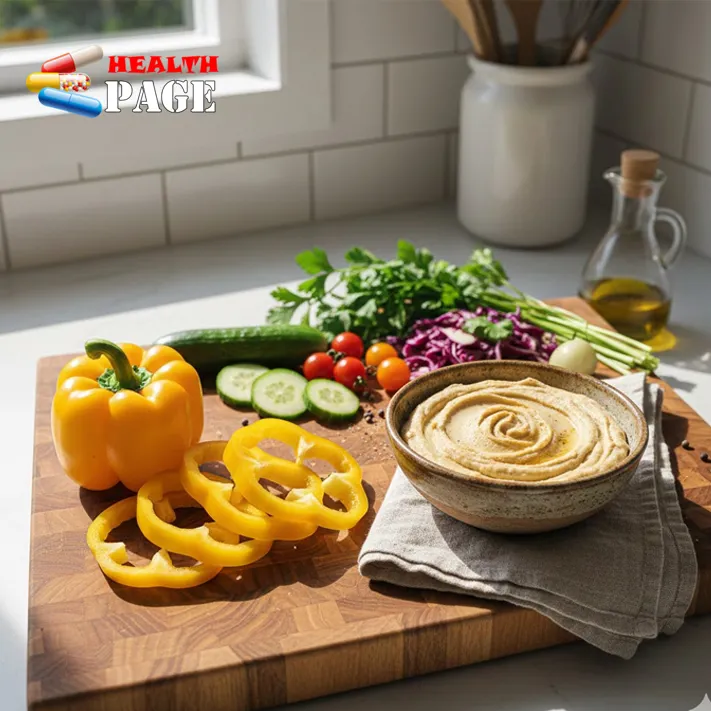
3. Yellow Bell Pepper Nutrition Supports Eye Health in a Quiet Way 👀
Eye health is not only about carrots.
Yellow bell pepper nutrition also supports vision, especially as you age.
These peppers contain carotenoids such as lutein and zeaxanthin.
These plant pigments help filter blue light and protect the retina.
Research links higher carotenoid intake with a lower risk of age‑related macular degeneration.
That is one of the main causes of vision loss in older adults.
What this means for your daily meals
You do not need clinical doses to benefit.
Small, regular amounts across your week can still help.
Easy ideas:
- Add strips of sweet yellow pepper to your lunch wrap.
- Toss chopped pieces into omelets or tofu scrambles.
- Combine with leafy greens for a carotenoid‑rich salad.
For those who work many hours on screens, this is helpful.
You are not only resting your eyes when you look away.
You are also feeding them when you choose colorful vegetables regularly.
4. Yellow Bell Pepper Benefits Your Gut More Than You Might Expect
When people talk about yellow bell pepper benefits, gut health often gets ignored.
Yet these peppers contribute in several meaningful ways.
Fiber for digestion and blood sugar
A medium pepper gives around 2 grams of fiber.
That may not sound huge, but it adds up across your day.
According to the Mayo Clinic, dietary fiber helps:
- Support bowel regularity.
- Improve feelings of fullness.
- Moderate blood sugar responses.
- Lower cholesterol levels over time.
Yellow peppers bring both soluble and insoluble fiber.
That means they help bulk stool and feed friendly gut bacteria.
Hydration and gentle digestion
These peppers are also mostly water.
The combination of water and fiber supports gentle, comfortable digestion.
For people with sensitive stomachs, they can be easier to handle than raw onions or spicy peppers.
They add crunch and sweetness with less irritation for many individuals.
Practical example
If salads often leave you bloated, try this adjustment.
Use a base of mixed greens, sliced cucumber, and sweet yellow pepper.
Add a small portion of protein and olive oil dressing.
You may notice better comfort and satisfaction.
You still get volume and nutrients, with less gas‑forming ingredients.
5. Their Natural Sweetness Comes With Far Less Sugar Than You Think
The taste of a ripe sweet pepper can feel almost fruity.
So many people worry it must be sugar heavy.
Here is the surprising reality.
Despite their pleasant sweetness, these peppers contain modest natural sugars.
A medium pepper typically has around:
- 6 grams of natural sugar.
- 2 grams of fiber.
- About 50 calories, as noted earlier.
That balance makes it a useful ingredient for people watching blood sugar.
You get sweetness and satisfaction, without the rapid spikes of juice or candy.
Comparing to common snacks
Consider these rough comparisons:
- Medium yellow pepper: around 6 grams sugar, plus fiber and vitamin C.
- Small flavored yogurt: 12–20 grams added and natural sugars.
- Soda can: about 35–40 grams sugar, no fiber.
You still taste sweetness with the pepper.
But your body processes it differently due to fiber and water content.
For people with insulin resistance or type 2 diabetes, this matters.
Always follow your care team’s guidance.
Yet many professionals encourage non‑starchy vegetables like sweet peppers as staples.
6. Yellow Bell Pepper Benefits Include Mood and Energy Support 😊
Nutrition does not only impact your body.
It also supports how you feel mentally and emotionally.
Sweet yellow peppers provide vitamin B6, folate, and other B vitamins.
These nutrients play roles in neurotransmitter production.
Neurotransmitters affect mood, focus, and stress responses.
Low levels of certain B vitamins can relate to low energy or mood changes.
Peppers will not replace treatment for depression or anxiety.
However, they can contribute to a nutrient‑rich foundation.
Antioxidants and daily stress
Life stress creates oxidative stress in the body.
Antioxidants from vegetables help counter some of that damage.
The mix of vitamin C, carotenoids, and other compounds in these peppers helps protect cells.
This does not feel dramatic in one meal.
But it can add resilience over months and years.
Gentle, practical habit
You do not need a perfect diet to benefit.
Try one small step:
- Add a half sweet yellow pepper to either lunch or dinner most days.
This single habit supports:
- Immune function.
- Eye health.
- Gut comfort.
- Basic mood and energy nutrients.
It is a compassionate, realistic shift, not an extreme overhaul.

7. Color Matters: Yellow, Red, and Green Peppers Are Not Nutritionally Identical 🌈
Many people assume all bell pepper colors are the same.
In reality, color reflects ripeness and nutrient shifts.
Green peppers are usually harvested earlier.
Yellow and red ones are riper and often sweeter.
As they ripen, their vitamin and antioxidant profiles change.
Yellow and red peppers usually have more vitamin C than green ones.
Carotenoid content also increases with ripeness.
Quick comparison of bell pepper nutrition
Here is a simplified look at raw peppers per 100 grams:
| Nutrient | Green Bell Pepper | Yellow Bell Pepper | Red Bell Pepper |
|---|---|---|---|
| Calories | ~20 | ~27 | ~31 |
| Vitamin C (mg) | ~80 | ~180 | ~190 |
| Fiber (g) | ~1.7 | ~1.5 | ~2.1 |
| Carotenoids level* | Moderate | High | Very high |
*Carotenoid values vary by variety and growing conditions.
This table shows another surprising fact.
Even within the same vegetable family, small choices change nutrients.
So, while calories in yellow bell pepper stay low, vitamin and antioxidant levels stay high.
You get rich nutrition without a major jump in calorie load.
How to use this in meal planning
You do not need to obsess over every gram.
Instead, think in color variety:
- Use green peppers in cooked dishes like stir‑fries.
- Use yellow peppers raw in salads or as snacks.
- Use red peppers roasted or blended into soups.
This color diversity supports a broad spectrum of nutrients.
It also keeps meals interesting and enjoyable.
How to Add More Yellow Peppers to Your Routine Without Overthinking It
Knowing the benefits is one thing.
Turning them into habits is another.
Here are simple, low‑stress ways to use sweet yellow peppers more often.
Snack ideas
- Sliced pepper with hummus or bean dip.
- Pepper strips with a small handful of nuts.
- Mixed veggie sticks with yogurt‑based dressing.
Meal ideas
- Add chopped peppers to scrambled eggs or tofu.
- Toss into pasta salads for crunch and color.
- Layer in sandwiches or wraps instead of extra cheese.
- Stir into grain bowls with beans and leafy greens.
The key is consistency, not perfection.
Even three to four servings a week can make a difference over time.
Frequently Asked Questions About Yellow Bell Peppers
1. Are yellow bell peppers healthier than green ones?
They are not strictly “better,” but they are different.
Yellow peppers usually have more vitamin C and carotenoids than green peppers.
Green peppers, however, are slightly lower in calories.
The best choice is to enjoy a mix of colors across your week.
You get a broader range of nutrients that way.
2. How many calories are in yellow bell pepper per serving?
Roughly:
- 100 grams: about 27 calories.
- One medium pepper (around 186 grams): about 50 calories.
These values can vary slightly by size and variety.
Still, calories in yellow bell pepper stay very low for the volume you eat.
3. Is it okay to eat yellow bell peppers every day?
For most people, yes.
They are low in calories, rich in nutrients, and gentle for many digestive systems.
If you have allergies, IBS, or specific medical conditions, check with your doctor or dietitian.
Otherwise, daily intake can fit well in a balanced eating pattern.
4. Are raw or cooked yellow bell peppers more nutritious?
Raw peppers keep all their vitamin C, which is heat sensitive.
Cooking may reduce some vitamin C, but can increase availability of certain carotenoids.
A mix of raw and cooked is often ideal.
For example, enjoy raw slices as snacks and roasted peppers in dinners.
5. Can people with diabetes eat yellow bell peppers?
In many cases, yes.
They are non‑starchy vegetables with modest natural sugars and helpful fiber.
They can support blood sugar management when part of a balanced meal.
However, each person’s needs differ.
Always follow your healthcare provider’s guidance.
6. How do yellow bell peppers compare to other vegetables nutritionally?
They stand out for:
- Very high vitamin C.
- Helpful carotenoids.
- Low calories and good volume.
They combine well with leafy greens, cruciferous vegetables, and legumes.
Together, they create a rich, diverse nutrient pattern.
Final Thoughts: Let Yellow Bell Pepper Work Quietly for Your Health 🌟
You now know that a Yellow Bell Pepper [Y2] is far more than a salad decoration.
Behind that bright color lies:
- Vitamin C levels that can surpass oranges.
- Very low yellow bell pepper calories for impressive fullness.
- Carotenoids that support long‑term eye health.
- Gentle fiber for digestion and gut comfort.
- B vitamins and antioxidants that support mood and resilience.
The most important step is not memorizing every nutrient.
It is building simple habits that you can maintain.
You might:
- Keep pre‑cut pepper strips in the fridge for easy snacking.
- Add them to two or three meals each week at first.
- Gradually use more colors and combinations as it feels natural.
If you enjoy reading about yellow bell pepper nutrition, you might also explore topics like healthy snack ideas or vegetable‑based dinner recipes on your site.
These make natural internal links and help readers take the next step.
Let the Yellow Bell Pepper [Y3] become a friendly, reliable part of your weekly meals.
Small, colorful choices can add up to meaningful health changes over time. 💛