

3 Critical XXXS Facts Every Health Professional Must Know
Health professionals already juggle complex diagnoses, strict timelines, and ever‑changing rules. When codes like X58.XXXS enter the picture, the details can feel overwhelming. Yet understanding how xxxs works in ICD‑10‑CM is essential for accurate documentation, clean claims, and clear clinical narratives. ✅
In this guide, you’ll learn three critical facts about X58.XXXS that every clinician, coder, and billing specialist should know—explained in a practical, approachable way.
What Is X58.XXXS in Simple Terms?
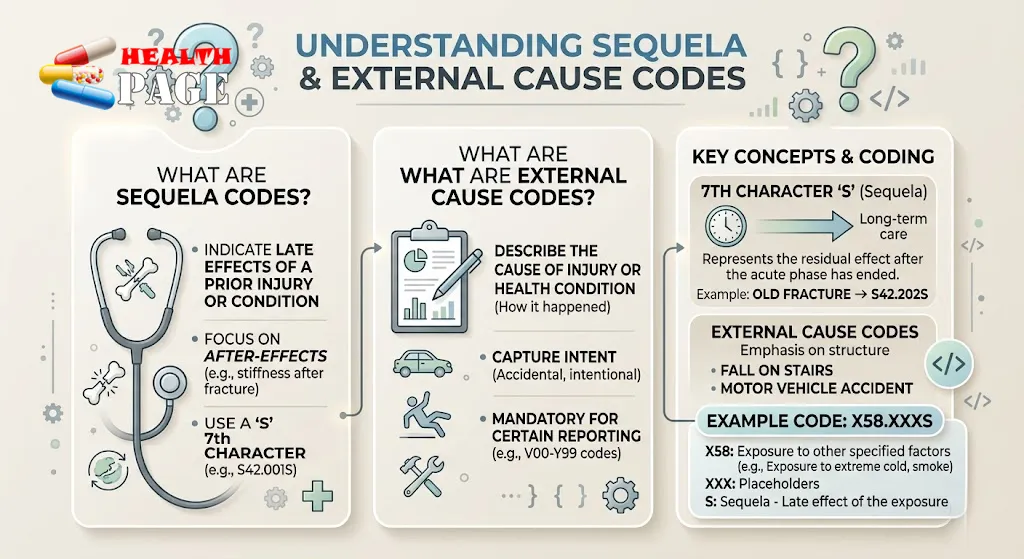
ICD‑10‑CM code X58.XXXS stands for:
Exposure to other specified factors, sequela
This code belongs to Chapter 20 (V00–Y99): External causes of morbidity and is used to describe the circumstance that caused an injury or condition, not the injury itself.
You’ll use xxxs when:
- A patient is seen for long‑term effects (sequela) of a previous exposure.
- You need to document the external cause that led to those ongoing problems.
It is:
- Billable/specific
- Valid for reimbursement
- Effective October 1, 2025, in the 2026 ICD‑10‑CM edition
- Part of the American ICD‑10‑CM (other countries may differ)
1. XXXS Identifies the Cause, Not the Injury
The first critical fact: X58.XXXS never represents the injury or condition itself. It only represents the external cause behind that condition.
External cause vs. nature of injury
Think of the coding process as telling a complete story:
- What is wrong now?
→ Use a code from Chapter 19 (S00–T88) or another chapter describing the actual diagnosis. - What caused it originally?
→ Use X58.XXXS (xxxs) to capture the exposure to a specified factor, as a sequela.
You always need a primary diagnosis that answers:
“What is the patient being treated for today?”
Then X58.XXXS answers:
“What exposure in the past led to this problem?”
Real‑life example
A patient presents with:
- Chronic lung scarring following a prior chemical exposure at work.
You might code:
- Primary diagnosis: A code for pulmonary fibrosis or lung scarring.
- External cause, sequela: X58.XXXS to show that the lung disease is due to a previous exposure to other specified factors.
This helps:
- Clinically, by linking current symptoms to prior events.
- Administratively, for accurate reimbursement and statistics.
- Legally and epidemiologically, by tracking patterns of harmful exposures.
Why this matters for clinical care
Understanding the external cause can change:
- Risk assessments
- Follow‑up planning
- Patient education and prevention counseling
For example, documenting sequela of exposure may support:
- Occupational health referrals
- Long‑term monitoring plans
- Disability evaluations
When you use xxxs correctly, you preserve that story in the medical record. 📄
Table: X58.XXXS vs. Related Codes
| Code | Description | Encounter Type | Key Use Case |
|---|---|---|---|
| X58.XXXA | Exposure to other specified factors, initial encounter | Initial | First visit for acute effects of exposure |
| X58.XXXD | Exposure to other specified factors, subsequent encounter | Follow‑up (ongoing) | Ongoing treatment of the same exposure episode |
| X58.XXXS | Exposure to other specified factors, sequela | Late effect / aftereffect | Visit for long‑term consequences after the exposure episode |
X58.XXXS is the only one used for late effects of exposure.
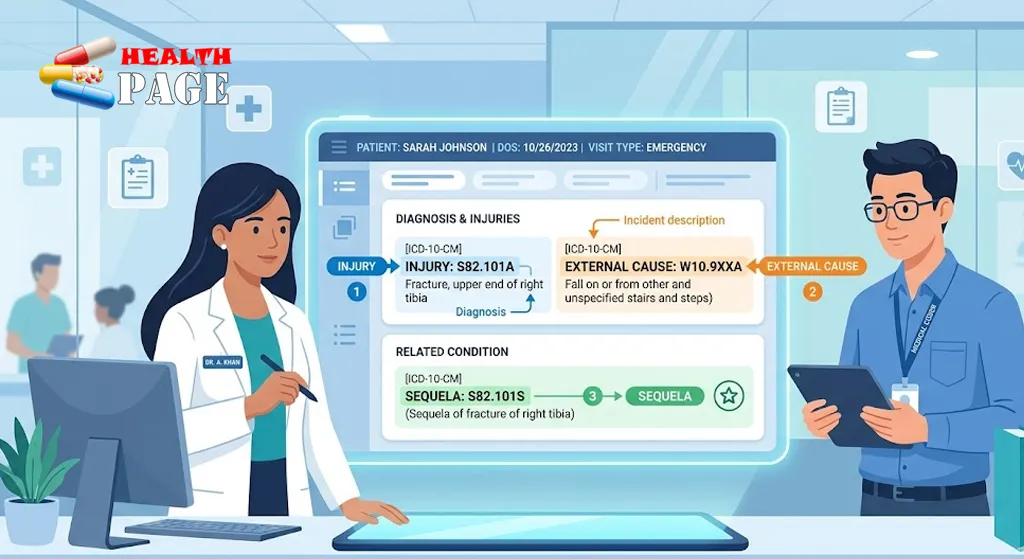
2. XXXS Must Be Used as a Secondary Code for Sequela
The second critical fact: X58.XXXS is a secondary code, never the only code.
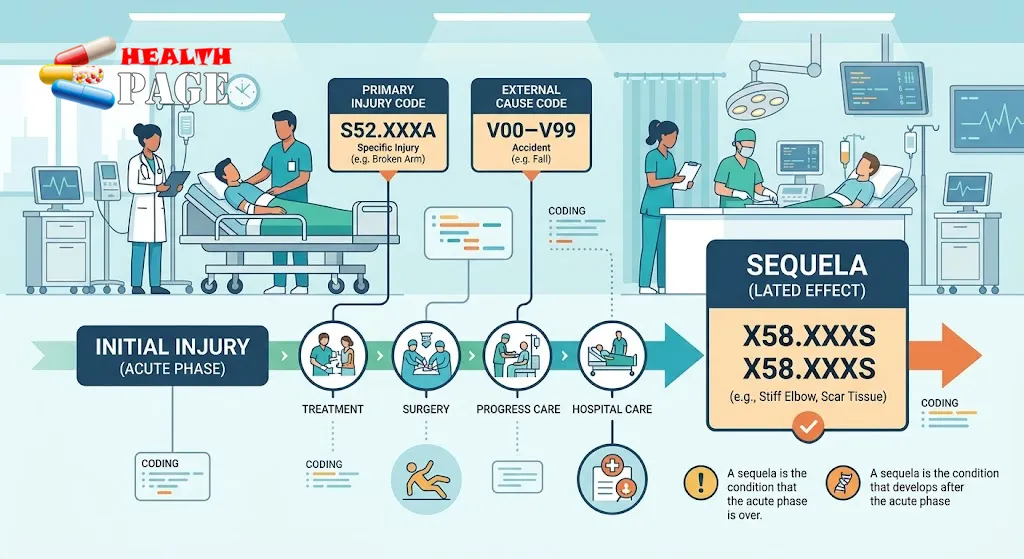
Sequela: what it really means
“Sequela” refers to a residual effect that remains after the acute phase of an injury or exposure has ended. These may appear:
- Months or years later
- As chronic symptoms or complications
- As functional limitations tied to that initial event
With xxxs, you’re coding that the current condition is an aftereffect of a past exposure.
Common sequela scenarios:
- Chronic lung issues after inhalation of toxic fumes
- Long‑term neurological symptoms after exposure to a specific substance
- Persistent skin conditions following chemical burns from an environmental factor
Coding sequence: primary first, XXXS second
When using X58.XXXS:
- Code the current condition first
- Example: The chronic respiratory condition, neurological deficit, or skin disorder.
- Add X58.XXXS as the external cause, sequela
- This shows that the condition stems from exposure to other specified factors in the past.
This aligns with general ICD‑10‑CM guidance for external causes of morbidity, including sequela codes.
Example: Step‑by‑step coding scenario
A patient presents with:
- Chronic balance problems due to past exposure to a specified environmental toxin.
Possible coding approach:
- Primary: Code for vestibular dysfunction or relevant neurological disorder.
- Secondary: X58.XXXS to identify the prior exposure to other specified factors as the sequela cause.
The chart now clearly shows:
- The current problem
- The historical exposure that led to it
This is invaluable for:
- Long‑term care planning
- Occupational medicine evaluation
- Public health tracking
Related external cause codes to know
Beyond xxxs, there are other external cause codes that often appear in similar contexts:
- X52.XXXA / X52.XXXD – Prolonged stay in weightless environment (initial / subsequent encounter)
- X71.0–X71.2 – Intentional self‑harm by drowning and submersion (e.g., bathtub, swimming pool)
These also sit in Chapter 20 and, like X58.XXXS, describe circumstances, not the primary injury itself.
For broader context, you can consult ICD‑10‑CM external causes of morbidity discussions in reputable resources such as World Health Organization injury coding guidance according to article/topic.
3. XXXS Is Time‑Sensitive, Version‑Specific, and Reimbursement‑Relevant
The third critical fact: X58.XXXS is tied to specific dates and versions, and it directly affects reimbursement.
Effective date and version details
- Effective date:
- October 1, 2025, as part of the 2026 ICD‑10‑CM edition
- Status:
- Billable and specific
- Intended for American ICD‑10‑CM usage
- International ICD‑10 versions may label or structure similar concepts differently
There were:
- No changes listed for this code between 2017 and 2025
- Still active and valid in the 2026 edition
Why timing matters in coding
Different dates may link to different valid code sets. For U.S. claims:
- Claims on or after October 1, 2015
→ Must use ICD‑10‑CM (ICD‑9‑CM is no longer valid for reimbursement). - Claims after October 1, 2025
→ Should ensure the 2026 ICD‑10‑CM edition updates are applied, including correct use of X58.XXXS.
Older ICD‑9‑CM codes may have approximate crosswalks, but they are:
- Not directly interchangeable
- Not acceptable on modern claims
Your coding software or EHR should be aligned with current ICD‑10‑CM tables, but it’s wise to verify updates manually when new codes like xxxs appear.
Reimbursement and audit implications
Because X58.XXXS is:
- Billable
- Specific
- Part of external cause coding
It can influence:
- Claim completeness
- Denial rates if sequela is not clearly documented
- Audit findings if the link between condition and exposure is unclear
To support accurate reimbursement:
- Document the original exposure in the clinical note.
- Clearly state that the current condition is a sequela of that exposure.
- Use X58.XXXS alongside the primary diagnosis code.
This pairs your clinical story with the right administrative data—something payers and auditors increasingly expect. 💼
For expanded reference on ICD‑10‑CM updates and structure, resources like the official ICD‑10‑CM guidelines hosted by CMS or similar regulatory bodies often provide detailed clarification according to article/topic: ICD‑10‑CM official guidelines for coding and reporting.
Practical Tips for Using X58.XXXS in Daily Practice
To make xxxs easier to integrate into your routine, consider these practical points.
1. Ask the right history questions
Sequela often emerge only when you ask:
- “Have you had any significant exposures in the past?”
- “Did your symptoms start after a particular event or environment?”
- “Have you worked with chemicals, toxins, or unusual environmental conditions?”
When a patient’s history reveals specific exposures that match “other specified factors,” and there’s a persistent condition, X58.XXXS may be appropriate.
2. Distinguish current exposure vs. sequela
Remember:
- X58.XXXA / X58.XXXD
→ For initial or subsequent encounters related to an ongoing exposure episode. - X58.XXXS
→ For aftereffects once the acute exposure has ended.
If the patient is no longer exposed, but lives with lasting consequences, think sequela.
3. Coordinate with coders and billing teams
An empathetic, collaborative approach helps:
- Coders can:
- Flag charts where sequela might be missing.
- Suggest when xxxs would clarify the record.
- Clinicians can:
- Improve documentation about timing and nature of exposures.
- Note explicitly when they believe a condition is a late effect.
A short note such as:
“Patient’s chronic symptoms are believed to be sequela of prior exposure to [specified factor].”
gives coders the clarity they need.
4. Use clear language in your documentation
Phrases that support accurate coding include:
- “Late effect of prior exposure to…”
- “Chronic [condition] secondary to previous contact with…”
- “Sequela of exposure to other specified environmental factor…”
This clinical clarity makes correct use of X58.XXXS almost automatic.
Frequently Asked Questions About X58.XXXS (XXXS)
1. Can I use X58.XXXS as the only diagnosis code?
No. X58.XXXS must be a secondary code.
You must first code the current condition or injury, then add xxxs to describe the external cause, sequela.
2. How is X58.XXXS different from X58.XXXA or X58.XXXD?
- X58.XXXA – Initial encounter for exposure to other specified factors.
- X58.XXXD – Subsequent encounter for the same exposure episode.
- X58.XXXS – Sequela, used for late effects after the acute exposure has resolved.
3. Does X58.XXXS describe what the injury is?
No. It does not describe the injury or condition itself.
It only documents the external cause (exposure) responsible for the current sequela.
4. Is X58.XXXS valid for reimbursement?
Yes. X58.XXXS is a billable/specific ICD‑10‑CM code and is valid for reimbursement when:
- Paired with an appropriate primary diagnosis
- Used for claims in accordance with effective dates and guidelines
5. Is X58.XXXS part of international ICD‑10?
The description and structure discussed here apply to the American ICD‑10‑CM version.
Other countries’ ICD‑10 adaptations may:
- Use different code formats
- Place external causes in different ranges
Always consult your local classification manual.
6. When does the 2026 edition with X58.XXXS take effect?
The 2026 ICD‑10‑CM edition, including X58.XXXS, becomes effective on October 1, 2025 for use in the United States.
Conclusion: Using XXXS to Tell the Full Patient Story
X58.XXXS may look like just another alphanumeric code, but it plays a crucial role in capturing a patient’s full clinical journey. When you understand xxxs, you can:
- Accurately distinguish cause from condition
- Use X58.XXXS to describe the external exposure, not the injury itself.
- Document sequela clearly and correctly
- Pair it with a primary diagnosis to show long‑term effects of prior exposure.
- Stay aligned with current ICD‑10‑CM standards and reimbursement rules
- Respect its effective date, billable status, and U.S.‑specific usage.
As a health professional, your documentation shapes not only individual care, but also larger patterns in safety, prevention, and public health. By applying X58.XXXS thoughtfully, you honor both the science and the story behind each patient’s condition. 🌱
If you work closely with complex injuries, environmental exposures, or occupational health, consider reviewing your templates and workflows now, so that by the time the 2026 ICD‑10‑CM edition is in full swing, your use of xxxs feels natural, consistent, and confidently precise.