
What Are the 3 Types of Stress Tests? Powerful Guide to Avoid Dangerous Health Risks
If your doctor mentioned a cardiac stress test, you may feel worried or confused. You might be asking yourself, what are the 3 types of stress tests, and which one is safest or most accurate for you.
Feeling anxious is completely normal. You are not alone. Many people fear heart testing more than they fear the heart disease it can reveal.
This guide walks you through the 3 types of stress tests doctors use most often. You will learn:
- How each test works
- What each test can show about your heart
- What to expect on the testing day
- How these tests help you avoid serious, even life‑threatening, heart problems
By the end, you will feel more prepared, informed, and empowered to talk with your doctor. 🧠✅

What Are the 3 Types of Stress Tests? Heart Health Overview
When people ask, “What are the 3 types of stress tests?”, doctors usually refer to:
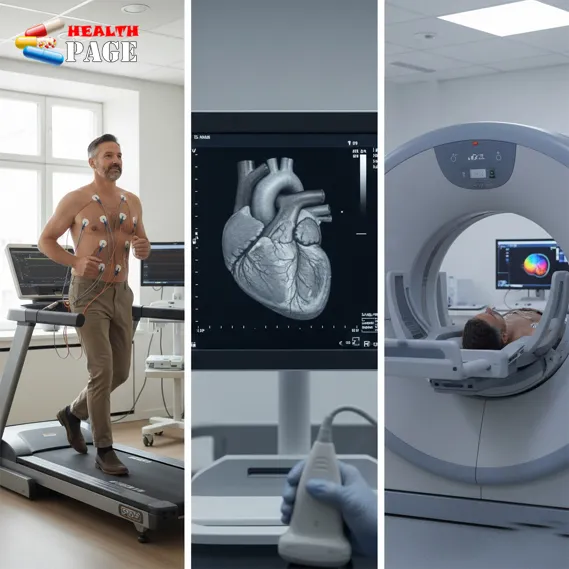
- Exercise treadmill stress test (exercise ECG)
- Stress echocardiogram (stress echo)
- Nuclear stress test (myocardial perfusion imaging)
All three are stress tests because they push your heart to work harder than it does at rest. This “stress” can reveal problems that stay hidden while you sit quietly.
Each of the 3 types of stress tests has a different way of looking at your heart:
- One mainly tracks your heart’s electrical activity
- One looks at moving ultrasound images of the heart muscle
- One shows how blood flows to your heart muscle using a special tracer
The right test for you depends on your age, symptoms, medical history, and physical ability. Let’s walk through each one in detail.
1. Exercise Treadmill Stress Test (Exercise ECG) 🏃♀️
The exercise treadmill stress test is the most common and simplest form of cardiac stress testing.
What It Is
- You walk on a treadmill or pedal a stationary bike
- The speed and incline increase gradually
- Your heart’s electrical activity is recorded with an ECG
- Blood pressure and symptoms are monitored throughout
This test shows how your heart responds when it needs more oxygen, such as during exercise or stress.
What It Can Detect
Doctors use this test to look for:
- Signs of reduced blood flow to the heart
- Abnormal heart rhythms triggered by exertion
- Exercise capacity and fitness level
- Blood pressure responses during activity
If part of your heart does not get enough oxygen, your ECG may change. You might also feel chest discomfort, shortness of breath, or unusual fatigue.
Who It Is Best For
An exercise treadmill stress test is often chosen when:
- You can walk or exercise fairly well
- Your resting ECG is not too abnormal
- You have chest pain, shortness of breath, or fatigue with exertion
- Your doctor wants a simple, low‑cost first step
It is often used as an initial screening tool before more advanced imaging tests.
What the Test Feels Like
Most people describe it as a normal workout with extra wires attached.
- You wear comfortable clothes and walking shoes
- Sticky electrodes are placed on your chest
- A blood pressure cuff stays on your arm
- The treadmill starts slow, then speeds up and inclines
You can stop at any point if you feel:
- Chest pain or tightness
- Dizziness or extreme shortness of breath
- Leg pain that is too intense
Your safety is the priority. A team is there to monitor you closely.
Advantages and Limits
Advantages:
- No injections or radiation
- Widely available and relatively inexpensive
- Gives quick information about exercise tolerance
Limitations:
- Less accurate in some people, especially women or those with abnormal resting ECG
- May miss milder blockages
- Not suitable if you cannot exercise adequately
2. Stress Echocardiogram (Stress Echo) 🫀
The stress echocardiogram adds ultrasound imaging to the exercise or medicine‑induced stress. It lets doctors actually see how your heart muscle moves.
How It Works
There are usually two parts:
- Resting echo:
- You lie on a table.
- A technician uses an ultrasound probe on your chest.
- Moving images of your heart are recorded.
- Stress portion:
- You either walk on a treadmill or receive medicine that makes your heart beat faster.
- Immediately after reaching your target heart rate, more ultrasound images are taken.
Doctors then compare how your heart muscle moves before and after stress.
What It Shows
A stress echocardiogram can reveal:
- Areas of the heart muscle that move poorly during stress
- Evidence of narrowed or blocked coronary arteries
- Overall heart function and pumping strength
- Valve problems that worsen with exertion
If a section of heart muscle does not get enough blood, it may “wobble” or move weakly on the images under stress. That can signal coronary artery disease.
Who Benefits Most
A stress echo can be very helpful when:
- You have chest pain or shortness of breath with activity
- Your resting ECG is hard to interpret
- You cannot safely receive radiation
- You have known heart disease and need closer follow‑up
Athletes and younger patients often undergo this test, because it gives detailed structural information without radiation.
Pros and Cons
Advantages:
- No radiation exposure
- More accurate than a basic exercise ECG alone
- Shows actual motion of the heart muscle and valves
Limitations:
- Image quality can be reduced by body habitus or lung disease
- Requires experienced technicians and cardiologists
- More expensive than a simple treadmill test
3. Nuclear Stress Test (Myocardial Perfusion Imaging) 🔬
The nuclear stress test is the most detailed of the common 3 types of stress tests. It shows blood flow to different parts of the heart muscle.
What Happens During the Test
This test also has two parts: rest and stress imaging.
- Tracer injection at rest
- A small amount of radioactive tracer is injected into a vein.
- A special camera (SPECT or PET) takes pictures of your heart.
- These images show blood flow while you are resting.
- Stress portion
- You either walk on a treadmill or receive medication that simulates exercise.
- More tracer is injected at peak stress.
- Additional images are taken to show blood flow under stress.
Doctors compare the rest and stress images. They look for areas that receive less blood when your heart works harder.
What It Can Reveal
A nuclear stress test can:
- Identify areas with reduced blood flow due to narrowed arteries
- Distinguish between scar tissue and temporarily weakened muscle
- Estimate the size and severity of blockages
- Help decide whether you might benefit from stents or surgery
If part of your heart looks normal at rest but dark under stress, it suggests reversible ischemia. This means the muscle is alive but starved of blood during exertion.
When Doctors Recommend It
Your cardiologist might choose a nuclear stress test if:
- You have moderate to high risk of coronary artery disease
- You have diabetes, multiple risk factors, or prior heart attack
- Previous tests gave unclear or conflicting results
- You cannot exercise enough, and need a medicine‑only stress test
This type of test often guides major treatment decisions, such as angioplasty or bypass surgery.
Pros and Cons
Advantages:
- Very detailed information about blood flow
- High accuracy for detecting significant coronary blockages
- Helpful when other stress tests are inconclusive
Limitations:
- Involves exposure to a small amount of radiation
- More expensive and time‑consuming
- Not suitable for some pregnant patients
Comparing the 3 Types of Stress Tests 📊
Here is a simple comparison to help you see the differences at a glance:
| Type of Stress Test | How Stress Is Created | What It Mainly Shows | Best For | Key Considerations |
|---|---|---|---|---|
| Exercise treadmill stress test | Walking or biking | ECG changes, heart rate, blood pressure | First‑line test in many patients | No imaging, no radiation |
| Stress echocardiogram | Exercise or medication | Heart muscle motion and valve function | Patients needing more detail without radiation | Requires good ultrasound imaging |
| Nuclear stress test | Exercise or medication | Blood flow to heart muscle at rest and stress | Higher‑risk patients or unclear prior tests | Involves radioactive tracer and imaging |
This table is a guide, not a replacement for medical advice. Your cardiologist will consider your whole health picture before choosing.
How Doctors Decide Which Stress Test You Need 🩺
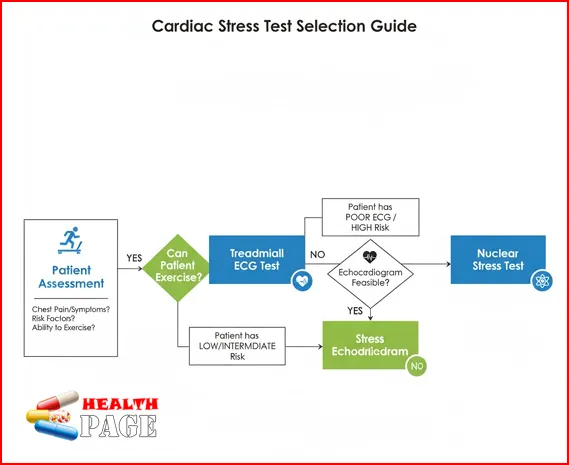
Doctors never choose among the 3 types of stress tests at random. They consider several factors:
1. Your Symptoms
- Chest pain or pressure with activity
- Shortness of breath
- Unusual fatigue
- Palpitations or rapid heartbeats
More concerning or complex symptoms may push doctors toward imaging tests like stress echo or nuclear testing.
2. Your Risk Factors
Risk factors include:
- High blood pressure
- High cholesterol
- Diabetes
- Smoking
- Family history of early heart disease
- Obesity or sedentary lifestyle
Higher risk makes more detailed stress tests more useful, especially before major treatment decisions.
3. Your Ability to Exercise
If you cannot walk on a treadmill safely because of:
- Arthritis
- Leg or back pain
- Severe lung disease
- Balance problems
your doctor may use medication‑induced stress instead. That medication can be paired with echo or nuclear imaging.
4. Your Prior Test Results
Abnormal ECG, prior heart attack, or previous stents or bypass surgery can all shape the choice.
If a previous simple stress test was unclear, an imaging test often comes next.
Risks, Safety, and How to Prepare ⚠️
Most stress tests are very safe when supervised by trained professionals. Still, understanding the risks and how to prepare can ease anxiety.
Possible Risks
Serious complications are rare, but can include:
- Abnormal heart rhythms
- Chest pain or shortness of breath
- Very rarely, heart attack
The testing team has emergency equipment and medications ready. They watch your ECG, blood pressure, and symptoms closely.
How to Prepare Safely
Your doctor’s office will give specific instructions, which may include:
- Do not eat heavy meals for several hours before the test
- Avoid caffeine and certain medications as directed
- Wear comfortable clothes and walking shoes
- Bring a list of all medications and supplements
For nuclear tests, you may also be asked to avoid certain foods or drinks. Always follow the preparation sheet carefully.
Emotional Preparation Matters Too 💬
Worry and fear can raise your heart rate before the test even begins. That is understandable.
Helpful tips:
- Ask your doctor what to expect step by step
- Practice slow, deep breathing before and during the test
- Bring a supportive friend or family member, if allowed
- Remind yourself: this test is about prevention and protection
The goal is to find problems early, when they can still be treated.
Interpreting Results and Next Steps 🧾
Once your test is done, your cardiologist will analyze the data. Results often fall into three general groups.
1. Normal Stress Test
This means:
- No significant ECG changes
- Normal blood flow and heart motion
- No concerning symptoms during testing
You may still need lifestyle changes, especially if you have risk factors. But a normal test is usually reassuring.
2. Mild or Uncertain Changes
Results may show:
- Small areas of reduced blood flow
- Slight ECG changes
- Limitations due to exercise intolerance
Your doctor may:
- Repeat a test later
- Order a different type of imaging
- Adjust medications and monitor more closely
3. Clearly Abnormal Results
This suggests:
- Significant blood flow problems
- Larger areas of heart muscle at risk
- Concerning ECG or imaging changes
Next steps might include:
- Coronary angiography (a detailed look at your arteries)
- Possible stents or cardiac surgery
- Stronger focus on lifestyle and medications
Whatever your result, ask your doctor:
- What does this mean for my daily life?
- What changes should I make now?
- When should I return for follow‑up?
FAQs About the 3 Types of Stress Tests ❓
1. What are the 3 types of stress tests in cardiology?
They are:
- Exercise treadmill stress test
- Stress echocardiogram
- Nuclear stress test
Each one shows your heart from a different angle: electrical signals, muscle motion, or blood flow.
2. Which type of stress test is most accurate?
Nuclear stress tests often provide the most detailed information about blood flow.
However, the “best” test depends on your situation.
Sometimes a stress echo or even a simple treadmill test is all you need. Your doctor weighs benefits, risks, and cost.
3. Is a stress test painful?
Most people do not describe stress tests as painful.
You may feel:
- Tired or short of breath from exercise
- Mild discomfort from the blood pressure cuff
- A small needle prick for IV or tracers
Tell the staff right away if you feel chest pain, dizziness, or severe discomfort.
4. How long does a stress test take?
Timing depends on the type:
- Treadmill test: about 30–45 minutes
- Stress echo: 45–60 minutes
- Nuclear stress test: several hours with waiting periods
You usually go home the same day.
5. Can stress tests miss heart disease?
Yes, no test is perfect.
Mild blockages can sometimes be missed, especially on simpler tests. That is why doctors consider all your risk factors, not just one result.
If symptoms continue or worsen, you may need repeat or different tests.
6. How often should I have a stress test?
There is no one schedule for everyone.
You may need another stress test if:
- Your symptoms change
- You have new risk factors
- You had a prior heart attack or procedure, and your doctor wants follow‑up
This decision is individualized for each patient.
Conclusion: Understand What Are the 3 Types of Stress Tests and Protect Your Heart ❤️
Understanding what are the 3 types of stress tests helps you take an active role in your heart care.
To recap:
- Exercise treadmill stress test checks your heart’s electrical response to activity.
- Stress echocardiogram shows how your heart muscle and valves move under stress.
- Nuclear stress test reveals detailed blood flow patterns and areas at risk.
These stress tests are not meant to scare you. They exist to protect you from dangerous events like heart attacks and sudden cardiac emergencies.
Your next step:
- Talk with your doctor about which test fits your age, symptoms, and risk factors.
- Ask what each test could change about your treatment.
- Use the information from this guide to ask clear, confident questions.
Your heart works for you every second of every day. 🫀
Learning about these 3 types of stress tests is a strong step toward keeping it beating well for many years to come.