

Stomach Bug vs Food Poisoning: 7 Shocking Symptoms You Must Not Ignore
You eat a meal, or wake up in the middle of the night, and suddenly your stomach feels like it’s in a storm. Nausea, cramps, rushing to the bathroom – it can feel scary and confusing. Many people immediately start wondering about stomach bug vs food poisoning and which one they might have.
Both can cause similar misery. Yet some symptoms are red flags you must not ignore. Knowing the difference can help you decide if you can safely rest at home or if you should contact a doctor or urgent care.
This guide walks you through Stomach Bug vs Food Poisoning: 7 Shocking Symptoms You Must Not Ignore, plus practical steps to protect yourself and your family. The information here is educational and does not replace medical advice, but it can help you make clearer, calmer decisions.
What Exactly Is a “Stomach Bug” vs “Food Poisoning”?
Before we look at the warning signs, it helps to understand what is happening inside your body.
What people call a “stomach bug”
Most of the time, a “stomach bug” means viral gastroenteritis. Common viruses include:
• Norovirus (very contagious, spreads quickly in families or schools)
• Rotavirus (more common in young children)
• Adenovirus and other stomach viruses
These viruses spread easily from person to person through:
• Touching contaminated surfaces
• Sharing food or drinks
• Tiny particles from vomit or stool
You can pick up a stomach virus without any unsafe food at all. Sometimes the whole household gets sick one after another.
What doctors mean by “food poisoning”
Food poisoning usually comes from eating or drinking something contaminated with:
• Bacteria (like Salmonella, E. coli, Campylobacter)
• Toxins produced by bacteria (like Staphylococcus aureus)
• Parasites (like Giardia)
• Viruses in food or water
It often links back to:
• Undercooked meat, eggs, or seafood
• Unwashed fruits and vegetables
• Foods left out too long at room temperature
• Contaminated water or ice
Some cases are mild. Others can be life‑threatening, especially in young children, older adults, pregnant people, and those with weak immune systems.
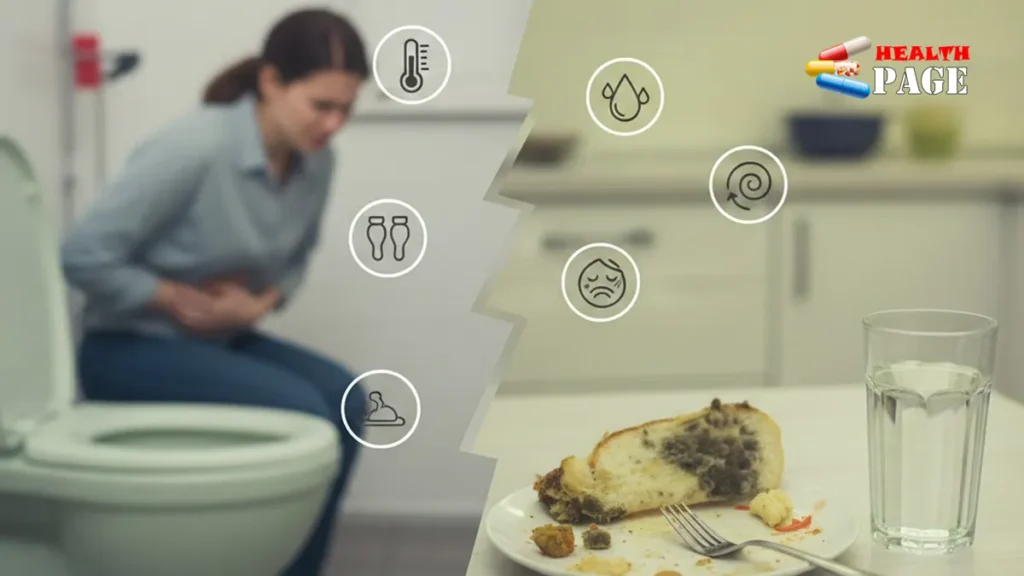
Stomach Bug vs Food Poisoning: Key Differences at a Glance
The symptoms often overlap, which is why people search for “stomach bug vs food poisoning” so frequently. This comparison table can help you notice patterns, though only a healthcare professional can give a clear diagnosis.
| Feature | Typical Stomach Bug (Viral Gastroenteritis) | Typical Food Poisoning |
|---|---|---|
| How it starts | Spreads in households, schools, daycares | Often linked to a specific meal or food |
| Onset of symptoms | 12–48 hours after exposure | 30 minutes to several days after eating |
| Common symptoms | Vomiting, watery diarrhea, mild fever | Diarrhea, cramps, sometimes vomiting and fever |
| Contagious? | Very contagious between people | Some types contagious, others not |
| Typical duration | 1–3 days, up to a week in some | Hours to several days, sometimes longer |
| Risk of serious complications | Dehydration, especially in babies and elders | Dehydration, kidney problems, bloodstream infection |
If you are trying to understand stomach bug vs food poisoning in real life, timing, fever level, and who else is sick can all be strong clues.
Now let’s walk through the 7 symptoms that should never be ignored.
1. Intense, Sudden Stomach Pain That Feels “Different” 😣
Cramping and discomfort are common in both viral stomach bugs and food poisoning. But some pain should stop you in your tracks.
Warning signs in stomach pain:
• Sharp, severe pain that comes on suddenly
• Pain that gets worse when you move or cough
• Pain focused in one specific spot, especially the lower right abdomen
• Belly that feels hard or very swollen
These can signal something more serious than a simple infection, such as:
• Appendicitis
• Gallbladder problems
• Bowel obstruction
• Pancreatitis
Real‑life example:
You wake with cramps and diarrhea. The pain eases after each trip to the bathroom. That is more typical of a stomach infection. But if the pain stays constant, worsens, or localizes to one side, that is not normal.
When to seek urgent help:
• Severe belly pain, especially with fever or vomiting
• Pain that wakes you from sleep and keeps getting worse
• Pain plus inability to pass gas or stool
In these cases, contact a doctor or emergency care immediately.
2. Non‑Stop Vomiting That Won’t Let You Keep Anything Down 🤮
Vomiting is common in both stomach viruses and food poisoning. However, it becomes dangerous when it is frequent and persistent.
Concerning patterns:
• Vomiting every 30–60 minutes for more than a few hours
• Unable to keep even small sips of fluid down
• Vomit that looks green, dark brown, or like coffee grounds
• Vomit mixed with bright red blood
While many mild cases settle within 12–24 hours, certain types of food poisoning can cause very intense vomiting in a short time. Food contaminated with toxins from Staphylococcus aureus is a good example.
Real‑life example:
You eat a cream‑based dessert at a party. Two hours later, you start vomiting repeatedly and cannot keep water down. Others who ate the same dessert feel similar. This pattern strongly suggests food poisoning.
Warning: vomiting plus confusion, severe weakness, or chest pain needs urgent medical attention. In children and older adults, dehydration can set in quickly.
3. Bloody Diarrhea or Black, Tarry Stools 🚨
Diarrhea is unpleasant but common with both a stomach bug and food poisoning. Blood in the stool, however, is a serious alarm bell.
Red flags for stool changes:
• Bright red blood mixed with diarrhea
• Dark, tar‑like stool (which can mean digested blood)
• Mucus with streaks of blood
• Persistent diarrhea with blood for more than 24 hours
Certain bacterial infections, especially some strains of E. coli, can cause bloody diarrhea and severe cramps. This can lead to complications, including kidney damage in some people.
If you notice blood in your stool:
• Do not ignore it and hope it goes away
• Do not take anti‑diarrhea medicines like loperamide unless a doctor advises
• Contact a doctor or urgent care the same day
The Centers for Disease Control and Prevention provides detailed guidance on serious diarrheal illnesses on the Centers for Disease Control and Prevention website (https://www.cdc.gov/foodsafety/index.html).
4. Signs of Severe Dehydration: Your Body Is Running Dry 💧
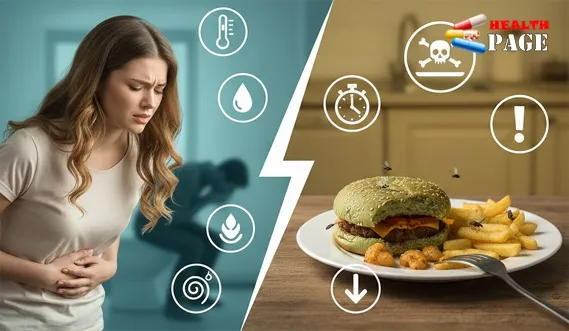
With any kind of stomach infection, your body loses fluid and electrolytes quickly. Dehydration can be more dangerous than the infection itself, especially in children, older adults, and people with chronic illnesses.
Watch for these dehydration symptoms:
• Very dry mouth and tongue
• Little or no urine for 6–8 hours (or very dark yellow urine)
• Dizziness, especially when standing
• Extreme thirst
• Sunken eyes
• In babies: dry diapers for more than 3 hours, no tears when crying, sunken soft spot on the head
In severe dehydration, you may also notice:
• Fast heartbeat
• Rapid, shallow breathing
• Confusion or irritability
• Cold, clammy skin
Real‑life example:
Your child has had watery diarrhea all day and has only peed once. Their lips look dry and they seem unusually sleepy. This is not the time to “wait and see.”
The World Health Organization has clear guidance on the dangers of dehydration and rehydration solutions, available on the World Health Organization – dehydration information page (https://www.who.int/health-topics/dehydration).
When to seek urgent help for dehydration:
• Any dehydration signs in a baby under 6 months
• Signs of moderate or severe dehydration in any age
• Diarrhea or vomiting plus dizziness or confusion
5. High Fever or Fever That Lasts Too Long 🌡️
Mild fever is common with viral stomach bugs and many foodborne infections. But the pattern and height of the fever can provide important clues.
More typical stomach virus:
• Mild to moderate fever (100.4–102°F or 38–38.9°C)
• Fever improves in 1–3 days
Concerning fever patterns:
• Temperature 103°F (39.4°C) or higher
• Fever lasting more than 3 days
• Fever that improves, then suddenly returns worse
• Fever plus stiff neck, confusion, or severe headache
Very high or persistent fever suggests a more serious infection and sometimes bacterial food poisoning, a urinary tract infection, or another hidden problem.
Call a doctor promptly if:
• Your child under 3 months has any fever above 100.4°F (38°C)
• Anyone has a fever above 104°F (40°C)
• Fever comes with a rash, difficulty breathing, or severe pain
The Mayo Clinic – food poisoning overview page (https://www.mayoclinic.org/diseases-conditions/food-poisoning/symptoms-causes/syc-20356230) offers a helpful overview of when fever and other symptoms might point to a more serious condition.
6. Neurological Symptoms: When Your Brain Feels Off 🧠
Some rare but dangerous types of food poisoning can affect the nervous system. This is especially true for:
• Botulism (from toxins in contaminated food)
• Certain fish‑related toxins (like ciguatera)
• Severe dehydration affecting brain function
Symptoms to watch for:
• Blurred or double vision
• Drooping eyelids
• Difficulty speaking or swallowing
• Muscle weakness or paralysis
• Tingling or numbness in hands, feet, or around the mouth
• Confusion, disorientation, or difficulty staying awake
Real‑life example:
Several hours after eating canned food, you start having trouble seeing clearly and feel weak, along with nausea. This combination is an emergency.
If any stomach symptoms are paired with neurological changes, treat it as urgent. Call emergency services or go to the nearest emergency department.
7. Symptoms That Drag On or Keep Coming Back ⏳
Many stomach viruses and mild food poisoning episodes improve within 24–72 hours. Diarrhea occasionally lingers a bit longer while your gut heals. Still, some patterns suggest a more serious or chronic problem.
Concerning patterns:
• Diarrhea lasting more than 7–10 days
• Repeated episodes after certain foods or drinks
• Ongoing weight loss without trying
• Fatigue and stomach pain that never fully go away
• Nighttime symptoms that wake you often
These may signal:
• A parasitic infection (like Giardia)
• Inflammatory bowel disease
• Celiac disease
• Irritable bowel syndrome triggered by the infection
• Lactose intolerance that developed after illness
If your digestion has not felt “normal” since your illness, talk to a healthcare professional. Stomach issues that linger deserve attention, even if the worst of the nausea or vomiting is gone.
How Long Does It Usually Last? ⏱️
Understanding typical timelines can also help you compare a stomach bug vs food poisoning.
Rough timelines:
• Viral stomach bug:
• Often improves noticeably within 1–3 days
• You may feel tired for a few extra days
• Mild food poisoning:
• Sometimes resolves within 6–24 hours
• Other times lasts 2–3 days, depending on the cause
• More serious bacterial or parasitic infections:
• Can last a week or longer without treatment
• Often need medical evaluation and possibly antibiotics or other medication
If you are still very unwell after 3 days, or your symptoms are getting worse, it is time to speak with a doctor.
At‑Home Care: What Actually Helps You Feel Better 🛌
Whether your symptoms come from a virus or foodborne germs, gentle supportive care makes a huge difference.
Step 1: Rehydrate intelligently
• Take small, frequent sips of fluid: water, oral rehydration solutions, clear broths.
• For adults and older children, oral rehydration solutions or sports drinks (diluted with water) can help replace salts.
• For babies and toddlers, use a pediatric rehydration solution discussed with a pediatrician.
Avoid:
• Alcohol
• Caffeinated drinks in large amounts
• Very sugary sodas or juices, which can worsen diarrhea
Step 2: Ease back into food
When vomiting settles and you feel ready:
• Start with bland, low‑fat foods such as:
• Toast or plain crackers
• Plain rice or noodles
• Bananas, applesauce
• Boiled potatoes
• Eat small portions and stop before you feel full.
Consider medical advice before using the traditional BRAT diet only (bananas, rice, applesauce, toast), since long use may miss needed nutrients. The Cleveland Clinic – BRAT diet explanation (https://health.clevelandclinic.org/brat-diet) describes how and when to use these foods safely.
Avoid, at least for a few days:
• Greasy or fried foods
• Spicy foods
• Heavy dairy products if they upset your stomach
• Large, heavy meals
Step 3: Rest and protect others
• Wash hands thoroughly after every bathroom visit and before handling food.
• Disinfect bathroom surfaces, especially if someone has vomited.
• Use separate towels and avoid sharing drinks or utensils.
• Rest as much as possible; your immune system works best when you are not pushing yourself.
When You Absolutely Should See a Doctor
While many episodes can be handled at home, some situations always deserve medical care. Contact a doctor, urgent care, or emergency service immediately if you notice:
• Severe or localized abdominal pain
• Non‑stop vomiting or inability to keep fluids down for more than 6 hours
• Any blood in vomit or stool
• Signs of moderate or severe dehydration
• High fever (above 103°F / 39.4°C) or any fever in a baby under 3 months
• Neurological symptoms like weakness, trouble speaking, or confusion
• Symptoms after eating wild mushrooms, home‑canned foods, or questionable seafood
• Worsening symptoms after 2–3 days instead of improvement
People at higher risk of serious complications should seek care sooner, including:
• Babies and young children
• Adults over 65
• Pregnant individuals
• People with diabetes, kidney disease, heart disease, cancer, or weak immune systems
If you are unsure, it is always reasonable to call a nurse line, telehealth service, or your doctor’s office for guidance.
Prevention: Practical Habits That Protect Your Gut 🧼
You cannot avoid every stomach virus or foodborne germ, but you can lower your chances significantly.
Everyday hygiene:
• Wash hands with soap and water for at least 20 seconds, especially after the bathroom and before eating.
• Teach children to do the same and supervise younger ones.
• Clean and disinfect surfaces after someone has been sick.
Safe food habits:
• Keep cold foods cold and hot foods hot.
• Do not leave cooked food at room temperature for more than 2 hours.
• Cook meats, eggs, and seafood to safe internal temperatures.
• Rinse fruits and vegetables under running water.
• Be cautious with raw sprouts, unpasteurized juices, or soft cheeses made from unpasteurized milk, especially if you are pregnant or have a weak immune system.
Travel tips:
• Drink bottled or boiled water where tap water safety is uncertain.
• Avoid ice made from unfiltered water.
• Be cautious with street food if hygiene is unclear.
• Peel fruits yourself rather than eating them pre‑cut.
FAQs: Stomach Bug vs Food Poisoning
1. How can I tell if it is a stomach virus or food poisoning?
It is often hard to tell at home. A stomach virus often spreads through a household over several days. Food poisoning is more likely if several people get sick after the same meal, especially within a few hours. Either way, focus on hydration and watch for the 7 warning symptoms.
2. Is a stomach bug contagious but food poisoning is not?
Many stomach bugs are highly contagious and spread easily through contact. Some food poisoning types, like viral or certain bacterial infections, can also spread person to person. Others, like toxins in spoiled food, are not contagious. Good handwashing helps limit spread in both cases.
3. When should I go to the emergency room?
Go to the emergency room if you have severe stomach pain, bloody diarrhea, nonstop vomiting, high fever, confusion, trouble breathing, or signs of severe dehydration. Babies, older adults, pregnant people, and those with serious medical conditions should seek help earlier.
4. Can I take anti‑diarrhea or anti‑nausea medicine?
Sometimes, yes, but it depends on the cause and your health history. Over‑the‑counter medicines are not safe for everyone, especially young children or people with blood in the stool or high fever. Speak with a doctor or pharmacist before using them, especially if you have other medical conditions.
5. What can I eat after a stomach bug or food poisoning?
Start with clear fluids first. Then, when you feel ready, add bland foods like toast, plain rice, bananas, or applesauce. Gradually return to your normal diet as your stomach feels stronger. Avoid greasy, spicy, or very heavy foods for a few days.
6. How long am I contagious after a stomach bug?
Some viruses, like norovirus, can spread from the moment you feel sick and for several days after you feel better. To protect others, keep washing your hands carefully, clean shared surfaces, and avoid preparing food for others for at least a couple of days after symptoms stop.
Bringing It All Together: Listen to What Your Gut Is Telling You ❤️
When your stomach turns upside down, the question of stomach bug vs food poisoning is natural. In many mild cases, the exact label matters less than staying hydrated, resting, and watching for warning signs.
However, Stomach Bug vs Food Poisoning: 7 Shocking Symptoms You Must Not Ignore can guide you toward safer choices. Severe pain, nonstop vomiting, bloody stools, high fever, neurological changes, or symptoms that drag on all deserve prompt medical attention.
You know your body. If something feels “off” in a way you cannot explain, or if your symptoms are getting worse instead of better, do not wait in silence. Reach out to a healthcare professional, urgent care, or emergency services as needed.
Taking your symptoms seriously is not overreacting. It is a wise, caring step toward protecting your health – and the health of those you love. 🌿


Pingback: VRE Infection: 7 Shocking Symptoms & Precautions You Must Know