
5 Essential Hemostat Uses That Save Lives in Surgery
In every modern operating room, the hemostat is one of the most trusted tools.
It may look simple, but it often stands between safe surgery and life‑threatening bleeding.
If you have ever wondered what actually happens during an operation, it can feel mysterious or even frightening. Surgeons work in a small space, under pressure, with a patient’s life in their hands. Every second matters. That is why certain instruments, including this versatile clamp, are essential.
This article explains how surgeons use this tool in five life‑saving ways. You will learn what is a hemostat, how it works, and why it is used so often. The goal is to help you feel more informed, reassured, and confident if you or someone you love faces surgery. 💙
1. What Is a Hemostat and Why It Matters in Surgery
Before exploring the five key uses, it helps to answer a basic question many people have: what is a hemostat?
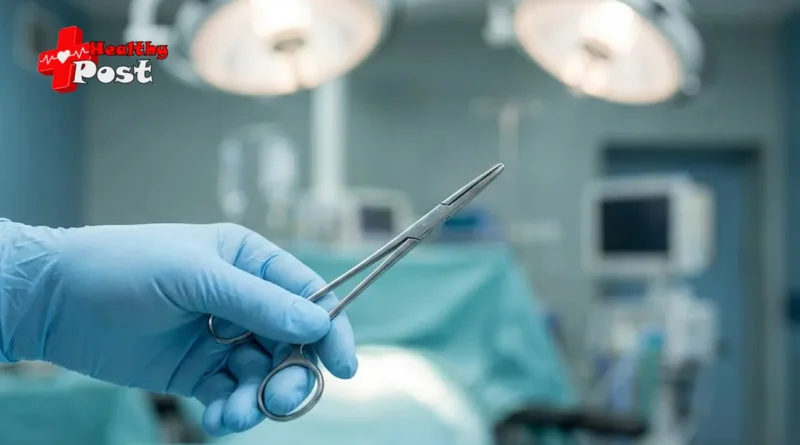
A hemostat is a handheld surgical instrument designed to control bleeding.
It works by clamping onto blood vessels or delicate tissues to slow or stop blood flow.
Most models share a few core features:
- Ring handles, like scissors
- A locking ratchet that keeps the clamp closed
- Long, slender jaws that grip tissue or vessels
- Often a textured inner surface for a firm hold
This tool belongs to the family of “clamps” or “forceps.” Some types are small and delicate. Others are larger for grasping stronger tissues or bigger vessels.
Common names and variations include:
- Hemostat clamp
- Artery forceps
- Mosquito clamps (very small type)
- Kelly or Crile clamps (medium types)
These instruments are not limited to one specialty. Surgeons in general surgery, orthopedics, gynecology, urology, neurosurgery, and emergency medicine all rely on them.
The basic idea is simple: grab, compress, and hold.
Yet this simple action supports almost every step of a complex operation.
2. Essential Use #1: Stopping Bleeding Fast During Surgery 🩸
The first and most critical use is controlling bleeding.
Bleeding is a natural part of any surgery. However, uncontrolled bleeding can become dangerous in seconds.
When a small artery or vein is cut, blood can appear quickly and obscure the surgeon’s view. The team must act fast. A hemostat clamp is usually the first instrument called for.
How the Clamp Controls Bleeding
Here is how it typically works:
- The surgeon or assistant identifies the bleeding vessel.
- The hemostat clamp is applied directly to the vessel.
- The ratchet locks, keeping steady pressure on the vessel.
- Once bleeding slows or stops, the team can tie a suture or use cautery.
In many operations, several clamps are used at once. Surgeons may “park” them along the surgical field, each marking a vessel that has been controlled.
Why Speed Matters
Every milliliter of blood loss matters, especially in:
- Long or complex surgeries
- Trauma operations after accidents
- Patients with anemia or heart disease
- Children and older adults
Quick clamping:
- Reduces blood loss
- Maintains blood pressure
- Protects the heart and brain from low oxygen
- Shortens surgery time
A simple clamp placed within seconds can mean the difference between a smooth surgery and an emergency transfusion.
Real‑Life Example
During an emergency appendectomy, a small artery in the abdomen may begin to bleed briskly.
The surgeon immediately applies a hemostat clamp, then ties a suture around the vessel.
The bleeding stops, and the operation continues safely.
3. Essential Use #2: Creating a Clear, Safe Surgical Field 🧠
Surgery demands precision.
To work precisely, surgeons must see clearly.
Blood, tissue, and small structures can easily block the view.
Although suction devices and sponges help, clamps are just as important.
They help create an organized, visible surgical field where every structure is easier to identify.
Holding Vessels and Tissues Out of the Way
Clamps are often used as mini “third hands.”
They gently grasp tissues, vessels, or small structures and hold them to the side.
For example, during gallbladder surgery, clamps may:
- Hold the cystic duct or artery before they are tied
- Gently move fatty tissue aside
- Mark key structures the surgeon must avoid
This reduces the chance of accidental injury to organs, bile ducts, or nearby vessels.
Marking Important Structures
Surgeons also use these instruments to “tag” areas they need to return to.
They can place a clamp on a vessel or suture to mark it clearly.
This is especially helpful when:
- There are many similar‑looking vessels
- The area is deep or narrow
- The patient has significant scarring from past surgeries
Clear marking:
- Lowers the risk of cutting the wrong structure
- Reduces stress in complex operations
- Speeds up the essential steps
Example from Everyday Practice
In thyroid surgery, delicate blood vessels surround the thyroid gland.
The surgeon uses small clamps to secure and mark these vessels before removing the gland.
This helps protect nearby nerves that control the voice.
4. Essential Use #3: Assisting with Suturing and Wound Closure 🧵
Many people picture surgeons sewing with a simple needle and thread.
In reality, several instruments support every stitch.
Though it is best known for controlling bleeding, this clamp is also a valuable helper for suturing.
Holding the Needle Securely
While a needle holder is the primary tool for stitching, some surgeons use a clamp in tight spaces.
Its slim jaws can help guide a needle through tough or deep tissues.
This extra support allows:
- Better control in narrow spaces
- Fewer slips or needle sticks
- More accurate placement of sutures
Helping Tie Knots
Knot‑tying in surgery is an art.
Knots must be tight enough to hold, but not so tight that they damage tissue.
A clamp can:
- Hold one end of the suture while the surgeon ties the other
- Maintain tension on a stitch while another step is completed
- Temporarily secure several sutures during complex reconstructions
This is especially valuable in heart surgery, vascular surgery, or bowel surgery.
In these settings, precise tension can prevent leaks or future complications.
Reducing Tissue Trauma
Some models have fine, delicate jaws designed to minimize tissue injury.
In plastic surgery or hand surgery, this can be crucial.
Gentle handling with appropriate instruments:
- Lowers swelling and bruising
- Helps scars heal more smoothly
- Reduces post‑operative pain
Small Example with Big Impact
During a bowel repair, the surgeon may place several stitches to close a small leak.
A clamp holds one suture end while another stitch is placed.
This organized approach reduces the chance of missing a gap in the bowel wall.
5. Essential Use #4: Supporting Minimally Invasive and Emergency Procedures 🚑
Modern surgery is not limited to large open incisions.
Many operations are now done through tiny openings, called minimally invasive or laparoscopic procedures.
Yet the same goals remain: control bleeding, protect organs, and work safely.
Specially designed clamps extend these principles into new settings.
In Minimally Invasive Surgery
Laparoscopic instruments are longer and slimmer than traditional tools.
They pass through small ports in the abdomen.
While the design differs, the functions are similar.
Surgeons use laparoscopic clamps to:
- Grasp and hold blood vessels
- Control small bleeding points
- Manipulate tissues gently from a distance
This allows operations like gallbladder removal or colon surgery to be done with smaller incisions.
Smaller incisions often mean:
- Less pain
- Shorter hospital stays
- Quicker return to daily life
In Emergency and Trauma Care
In the emergency room or trauma bay, time is even more limited.
Accidents, falls, or violent injuries can cause sudden, heavy bleeding.
In these urgent settings, clamps may be used to:
- Temporarily close off a bleeding artery
- Control bleeding while the patient is rushed to the operating room
- Secure torn tissues before definitive repair
For example, if a deep leg wound is spurting bright red blood, a trauma surgeon may clamp the injured artery quickly.
This simple act can preserve blood pressure and buy time for a safe transfer to surgery.
At the Bedside and in the ICU
Outside the operating room, these instruments can support:
- Bedside procedures, such as placing chest tubes
- Controlling minor bleeding from lines or catheters
- Emergency airway procedures in critical situations
In each scenario, the core purpose stays the same: controlled, safe handling of tissue and blood vessels.
6. Essential Use #5: Protecting Organs, Nerves, and the Surgical Team 🛡️
Beyond bleeding control, these clamps play a quiet but crucial protective role.
They help shield fragile structures and even help keep the surgical team safe.
Protecting Delicate Organs and Nerves
Inside the body, everything is close together.
Organs, nerves, and vessels lie side by side.
When surgeons operate near vital structures, they may use fine clamps to:
- Gently hold nerves out of harm’s way
- Stabilize tiny vessels so they are not accidentally cut
- Move organs slightly to improve visibility
Examples include:
- Protecting facial nerves during parotid gland surgery
- Guarding spinal nerves in back surgery
- Preserving the ureters in pelvic or gynecologic operations
Each careful clamp placement lowers the risk of long‑term complications, such as weakness, numbness, or loss of organ function.
Helping Prevent Needle and Scalpel Injuries
The safety of the surgical team also matters.
Surgeons, nurses, and technicians handle sharp needles and blades all day.
Hemostatic clamps can be used to:
- Pass needles or blades safely from person to person
- Hold small sharps instead of using fingers
- Retrieve lost needles in a wound or surgical field
Fewer finger‑to‑needle contacts mean fewer accidental injuries.
This helps protect staff from infections and reduces stress in the operating room.
The importance of team safety and standardized practices is supported by organizations such as the American College of Surgeons (https://www.facs.org), which promotes safe operative techniques and training.
Maintaining Order During Complex Procedures
In complex surgeries, dozens of instruments may be on the field.
Clamps help maintain order by:
- Holding sponges or gauze in place
- Marking areas already treated
- Organizing sutures so they do not tangle
This reduces confusion and helps the entire team stay focused on the patient.
7. Common Types of Hemostatic Clamps and Their Uses (Table)
To make these different uses easier to visualize, here is a simple overview of common clamp types and when they are used.
| Type of Clamp | Size / Shape | Typical Use | Example Procedure |
|---|---|---|---|
| Mosquito clamp | Small, fine jaws | Control tiny vessels, delicate tissues | Skin lesion removal, thyroid surgery |
| Kelly clamp | Medium, partially serrated jaws | Clamp small to medium vessels | Appendectomy, hernia repair |
| Crile clamp | Medium, fully serrated jaws | Firm grip on vessels or tissue bundles | Abdominal surgeries, trauma operations |
| Right‑angle clamp | Jaws bend at a right angle | Reach around structures, pass sutures | Vascular surgery, biliary surgery |
| Laparoscopic clamp | Long shaft, slim jaws | Control bleeding through small incisions | Laparoscopic gallbladder or colon surgery |
Each type is chosen carefully based on the vessel size, tissue type, and space available.
8. What Patients and Families Should Know 🙋♀️
You do not need to memorize instrument names before surgery.
Yet understanding the basics can reduce fear and build trust.
Here are a few key points to remember:
- Clamps help control bleeding quickly and safely.
- They protect delicate organs and nerves during complex work.
- They support suturing, tissue handling, and team safety.
- Their use is standard practice in modern, high‑quality surgery.
If you are curious, you can ask your surgeon:
- How do you control bleeding during this operation?
- What steps do you take to protect nearby nerves or organs?
- How does your team keep the operating room safe and organized?
Many surgeons welcome thoughtful questions.
They know informed patients often feel calmer and more confident.
Trusted medical centers, such as Johns Hopkins Medicine (https://www.hopkinsmedicine.org), offer patient‑friendly guides on surgery and surgical instruments if you want to read more.
FAQs
1. What is a hemostat used for in surgery?
It is mainly used to control bleeding by clamping blood vessels.
Surgeons also use it to hold tissues, assist with suturing, and protect nearby structures.
2. Is a hemostat clamp used in every operation?
In most operations, yes.
Even in minor procedures, a hemostat clamp is usually available in case a vessel needs quick control.
3. Does using these clamps increase the risk of tissue damage?
When used properly, the risk is very low.
Surgeons choose the correct size and pressure to hold tissue without crushing it.
4. Are these instruments only for large hospitals?
No.
They are standard tools in large hospitals, small clinics, outpatient centers, and emergency departments.
5. Can these clamps be used outside the operating room?
Yes.
They can assist with bedside procedures, minor surgeries, emergency bleeding control, and some intensive care procedures.
6. How are these instruments kept safe and clean?
They are carefully cleaned, disinfected, and sterilized after each use.
Hospitals follow strict protocols to protect patients from infection.
Conclusion: A Small Instrument with a Life‑Saving Role
Now you know more than just the name of this tool.
You understand how the hemostat quietly supports almost every step of an operation.
From stopping bleeding within seconds to protecting nerves and organs, this clamp helps surgeons work safely and precisely.
It also supports minimally invasive techniques, emergency care, and the safety of the entire surgical team.
If you face surgery, remember that your surgeon is not working alone.
Alongside a skilled team, instruments like this trusted clamp help make modern operations safer, more controlled, and more successful.
If you have questions before a procedure, ask your care team to explain how they control bleeding and protect vital structures.
Feeling informed is an important part of feeling safe. ❤️