

7 Proven Ways to Spot Diverticulitis Symptoms in Females and Male
When your belly pain keeps coming back, it is normal to worry. Many adults wonder whether their discomfort could be diverticulitis symptoms or something less serious like gas or irritable bowel syndrome. This guide walks you through clear, practical ways to recognize warning signs in both females and males, so you can seek help with confidence. 💛
What Is Diverticulitis, in Simple Terms?
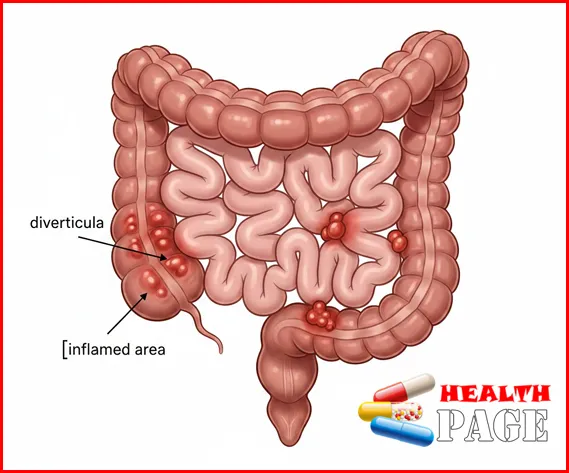
Diverticulitis happens when small pouches in your colon wall, called diverticula, become inflamed or infected.
Some people have these pouches for years without any problems. That harmless stage is called diverticulosis. When pain, infection, or complications start, it becomes diverticulitis.
Both females and males can develop it, especially after age 40. But symptoms can look slightly different from person to person.
1. Persistent Lower Left Belly Pain – The Classic Warning Sign
For many people, the first and strongest clue is pain in the lower left side of the abdomen. This is the most common location because the sigmoid colon sits there.
What this pain often feels like
- A constant ache, not just sharp twinges
- Pain that worsens during movement or when pressing on the area
- Discomfort that builds over hours or days
- Pain that does not fully go away after gas passes
Many describe it as:
“It felt like a deep, sore cramp low on the left side that would not let up.”
Diverticulitis symptoms female vs male: is the pain different?
- Females sometimes confuse the pain with menstrual cramps, ovary pain, or endometriosis.
- Males may think it is a pulled muscle from exercise or heavy lifting.
However, in both diverticulitis symptoms female and diverticulitis symptoms male, this lower left belly pain that persists is often the earliest sign that something is wrong.
If the pain becomes severe, spreads across the abdomen, or suddenly worsens, this can signal a complication like a perforation or abscess. That is an emergency. 🚑
2. Changes in Bowel Habits You Should Not Ignore
Your bowel habits are a helpful “report card” for colon health. When diverticulitis flares, your colon gets irritated. This can affect how often and how easily you pass stool.
Common bowel changes with diverticulitis
- New or worsening constipation
- Diarrhea, sometimes alternating with constipation
- Feeling like you still need to go, even after a bowel movement
- Narrow or thin stools
- More gas or bloating than usual
These changes alone do not confirm diverticulitis. They can also appear with IBS or infections. But when they occur together with lower left belly pain, they become more suspicious for diverticulitis symptoms.
Short real-life example
A 52-year-old woman notices she is constipated for several days, with mild left-sided pain. She assumes it is stress. When the pain worsens and she develops a fever, her doctor diagnoses diverticulitis after exam and imaging.
Listening to these early bowel changes and seeking help sooner often prevents more serious complications.
3. Fever, Chills, and Fatigue – Signs Your Body Is Fighting Infection
Diverticulitis is often an infection inside your colon. Your immune system responds just as it would to a lung or kidney infection.
General infection signs to watch for
- Low-grade fever (around 99–101°F / 37.2–38.3°C)
- Chills or sweats
- Feeling unwell or flu-like
- Loss of appetite
- Tiredness that feels heavier than usual
You might first notice you “just do not feel right,” along with belly pain.
Why this matters
Fever and chills mean the inflammation may be more than mild irritation. They help doctors decide whether you need:
- Oral antibiotics at home
- Or stronger IV antibiotics and monitoring in a hospital
Females and males experience these infection signs similarly. However, some women initially assume it is a urinary tract infection or menstrual issue, especially if cramps or pelvic pressure are present too.
4. Nausea, Bloating, and Digestive Discomfort After Meals
When the colon is inflamed, digestion can feel “off” in many ways. These symptoms are not specific to diverticulitis, but they contribute to the overall pattern.
Common digestive complaints during an attack
- Nausea, sometimes with reduced appetite
- Bloating or pressure after eating
- An uncomfortable feeling of fullness
- Mild upper or lower abdominal cramping
Some people eat less because they fear making the pain worse. This can lead to low energy and weakness.
Example
A 60-year-old man notices that every time he eats a normal meal, his lower left belly feels tighter and more painful. He becomes afraid to eat. Imaging later confirms diverticulitis with inflammation in his sigmoid colon.
If these symptoms appear suddenly, especially along with fever and localized pain, they increase concern for diverticulitis symptoms male and female presentations alike.
5. Back Pain Diverticulitis Symptoms: When the Ache Radiates
Many people are surprised to discover diverticulitis symptoms back pain can happen. Not everyone with diverticulitis has back pain, but it is possible.
How back pain diverticulitis symptoms may feel
- Dull ache on one side of the lower back
- Pain that seems to wrap from belly to back
- Pressure near the spine when the abdomen is very bloated
This can be confusing, because back pain is extremely common for many other reasons.
Clues the back pain might be related to diverticulitis
- The back pain appears at the same time as lower left belly pain
- The pain worsens when your belly pain worsens
- Pain improves slightly when the inflammation calms with treatment
In both diverticulitis symptoms female and diverticulitis symptoms male, this referred pain pattern can mislead people into thinking they have muscle strain or kidney issues.
If your back pain diverticulitis symptoms occur along with fever, abdominal pain, and bowel changes, it is wise to ask your doctor whether diverticulitis should be ruled out.
Quick Comparison: Belly Pain vs Back Pain in Diverticulitis
| Feature | Belly Pain (Typical) | Back Pain (Possible) |
|---|---|---|
| Location | Lower left abdomen | Lower back, often on the same side |
| Type of pain | Aching, cramping, constant | Dull ache, sometimes radiating from belly |
| Trigger | Movement, pressure on abdomen, gas | Movement, sitting, or bending |
| Frequency | Very common in diverticulitis | Less common, but still reported |
| When to worry | Persistent or worsening pain | Back pain plus fever and belly symptoms |
6. Urinary or Pelvic Symptoms That Can Confuse the Picture
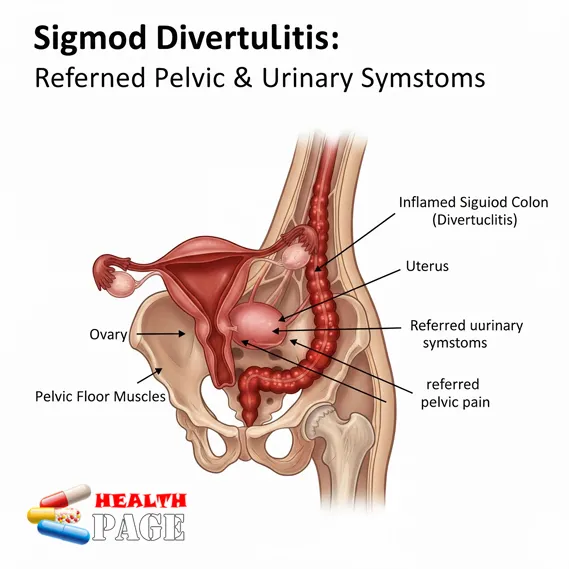
Because the sigmoid colon lies close to the bladder and reproductive organs, diverticulitis can sometimes cause symptoms that feel urinary or pelvic rather than digestive.
This often blurs the difference between diverticulitis symptoms female and diverticulitis symptoms male, but there are some distinctive patterns.
Possible urinary symptoms
- Burning or discomfort when urinating
- Feeling the need to urinate more often
- Pressure or pain low in the pelvis
- Rarely, air or stool in the urine in severe cases
These symptoms can occur if inflammation irritates the nearby bladder. In very advanced or repeated diverticulitis, a fistula (abnormal connection) can form between colon and bladder. That is a serious complication.
How this can look in females
In women, pelvic discomfort can be mistaken for:
- Ovarian cysts
- Endometriosis
- Pelvic inflammatory disease
- Menstrual cramps
This overlap can delay recognizing diverticulitis symptoms female, especially in younger women who are less likely to be suspected of having diverticulitis.
How this can look in males
In men, pelvic pressure plus urinary changes can resemble:
- Prostate issues
- Bladder infection
- Muscle strain in the groin
Again, the key pattern is combination: pelvic or urinary discomfort plus lower left abdominal pain and systemic signs like fever.
7. Red Flag Signs That Need Urgent Medical Care
Most mild cases of diverticulitis can be managed with medical care, rest, and sometimes antibiotics. But some warning signs point to more dangerous complications that need urgent treatment.
Emergency symptoms to watch for
- Sudden, severe abdominal pain that spreads or feels sharp
- Hard, rigid, or very tender abdomen
- High fever above 101°F (38.3°C)
- Rapid heart rate or trouble breathing
- Vomiting that does not stop
- Dizziness, fainting, or confusion
- Blood in stool or black, tarry stools
These can indicate:
- A perforation (a hole) in the colon
- An abscess (pocket of pus)
- A fistula (abnormal connection to another organ)
- A blockage in the bowel
If you notice these red flag symptoms, seek emergency care immediately. Do not wait to see if they pass.
How Doctors Confirm Diverticulitis
Recognizing possible diverticulitis symptoms is the first step. The next step is proper evaluation.
Typical steps your healthcare professional may take
- Detailed history of pain, bowel habits, and overall health
- Gentle abdominal exam to check for tenderness and guarding
- Blood tests looking for signs of infection or inflammation
- Urine tests to rule out urinary tract infection
- Imaging, especially CT scan of the abdomen and pelvis
A CT scan is often the standard test to diagnose diverticulitis and check for complications. It helps doctors decide the safest treatment plan.
For more detailed background, the Mayo Clinic provides an excellent overview of diverticulitis.
Diverticulitis in Females vs Males: Subtle Differences
While the core features are similar, some patterns differ slightly between women and men.
Diverticulitis symptoms in females
Women may be more likely to describe:
- Pelvic heaviness with lower belly pain
- Confusion with gynecologic pain such as ovarian or uterine issues
- Worsening discomfort around menstrual periods
Doctors may explore both gynecologic and digestive causes, especially in women under 40.
Diverticulitis symptoms in males
Men may be more likely to interpret symptoms as:
- “Just a pulled muscle” in the abdomen or back
- A mild stomach bug or food reaction
- Stress-related discomfort
This sometimes delays seeking care until pain or fever becomes intense.
Despite these differences, both diverticulitis symptoms female and diverticulitis symptoms male patterns share the same central message: do not ignore persistent localized abdominal pain, especially with fever or bowel changes.
Lifestyle Factors and Prevention Support
Understanding risk factors helps you make supportive changes once you recover. Lifestyle shifts do not replace medical treatment, but they can help reduce future flare-ups.
Common risk factors
- Age over 40
- Low-fiber diet over many years
- Obesity
- Smoking
- Lack of physical activity
- Certain medications that affect the gut
Supportive steps to discuss with your provider
- Gradually increasing fiber from fruits, vegetables, and whole grains
- Drinking enough water to keep stools soft
- Regular, gentle physical activity like walking
- Limiting smoking and heavy alcohol use
- Managing stress and sleep
Many guidelines suggest that a high fiber diet can support healthy bowel movement and reduce long-term risk. Always follow your own healthcare provider’s tailored plan, especially right after a diverticulitis flare, when a temporary low-fiber diet may be advised.
Quick Summary Table: Key Ways to Spot Diverticulitis Symptoms
| Sign or Symptom Category | What to Look For | Why It Matters |
|---|---|---|
| Location of pain | Persistent lower left abdominal pain | Most common sign of diverticulitis |
| Bowel habit changes | Constipation, diarrhea, or alternating patterns | Colon irritation or partial blockage |
| General infection signs | Fever, chills, fatigue, loss of appetite | Suggests inflammation plus infection |
| Digestive discomfort | Nausea, bloating, worse after meals | Colon inflammation affecting digestion |
| Back or pelvic pain | Ache that radiates to back or pelvis | Possible referred pain from inflamed colon |
| Urinary changes | Burning, frequency, pelvic pressure | Bladder irritation or rare fistula |
| Emergency red flags | Severe spreading pain, rigid abdomen, vomiting, high fever | Possible perforation or abscess, needs ER care |
Frequently Asked Questions About Diverticulitis Symptoms
1. What are the first diverticulitis symptoms I should watch for?
The earliest signs often include:
- Persistent lower left abdominal pain
- Mild fever
- New constipation or diarrhea
If these symptoms last more than a day or two, speak with a healthcare professional.
2. Can diverticulitis cause only back pain without belly pain?
It is uncommon but possible. Most people have at least some abdominal discomfort. Back pain alone is more likely due to muscle, spine, or kidney issues. However, if you notice diverticulitis symptoms back pain together with subtle belly or bowel changes, ask your doctor whether imaging is needed.
3. How are diverticulitis symptoms different in females and males?
Core features are similar in both sexes. Females may mistake pain for gynecologic issues or urinary infections. Males may blame symptoms on muscle strain or indigestion. In both diverticulitis symptoms female and male patterns, the key concern is persistent localized abdominal pain, especially with fever or bowel changes.
4. When should I go to the emergency room for diverticulitis symptoms?
Go to the ER if you have:
- Sudden, intense or spreading abdominal pain
- High fever, vomiting, or trouble breathing
- Rigid or extremely tender abdomen
- Blood in stool or signs of shock such as dizziness or confusion
These can signal a dangerous complication.
5. Can diet changes alone cure diverticulitis?
Diet changes cannot cure an active infection or serious complication. Acute diverticulitis often needs antibiotics or, rarely, surgery. After recovery, diet and lifestyle changes can support colon health and help lower risk of future flares. Always follow medical advice specific to your case.
6. Is diverticulitis the same as colon cancer?
No. Diverticulitis is inflammation or infection of small pouches in the colon. Colon cancer is uncontrolled growth of abnormal cells. However, some symptoms overlap, so doctors sometimes recommend colonoscopy after a diverticulitis episode to rule out other conditions.
Conclusion: Listening to Your Body and Acting Early
Recognizing diverticulitis symptoms in both females and males starts with paying attention to patterns. Persistent lower left belly pain, bowel changes, fever, and sometimes back or pelvic discomfort are important signals.
These signs do not always mean diverticulitis. Still, they are clear messages from your body that deserve attention. When you share these details with your healthcare professional, you give them the best chance to diagnose and treat the problem early.
If you notice symptoms that match what you have read here, especially emergency warning signs, do not ignore them. Reach out to a trusted medical provider or emergency service right away.
With early care, smart lifestyle support, and regular follow-up, many people recover well and reduce future flare-ups. You do not have to navigate these worries alone. 💚