
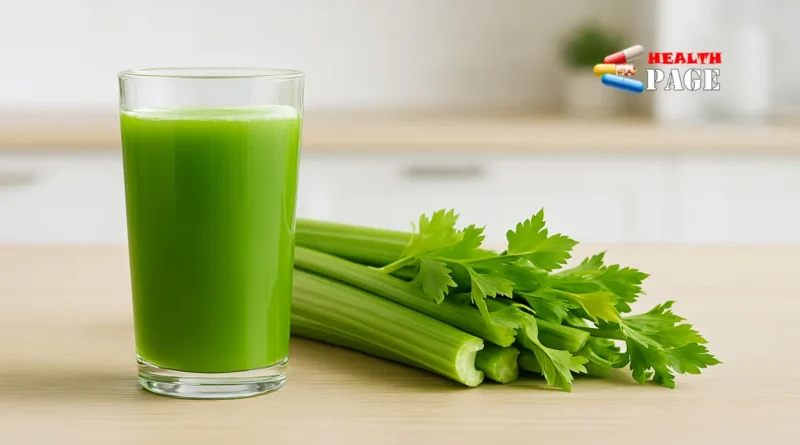
10 Powerful Celery Juice Benefits and Side Effects You Must Know
If you’ve opened social media lately, you’ve probably seen someone raving about celery juice. Some say it clears skin, heals the gut, and even “detoxes” the liver overnight. Those claims can sound tempting, especially if you’re tired, bloated, or struggling with stubborn health issues.
But what’s real, and what’s hype? 🧐
This guide breaks down the proven celery juice benefits, the real Celery juice Side Effects, and how to enjoy it safely as part of a balanced lifestyle. You’ll also get a simple celery juice recipe and practical tips, so you can decide whether it actually fits your routine.
1. What Celery Juice Really Is (And What It Isn’t)
At its core, celery juice is just the liquid you get from blending or juicing celery stalks. It is:
- Very high in water
- Low in calories and sugar
- A source of vitamins, minerals, and antioxidants
It is not a magic potion that replaces medical treatment, a balanced diet, or healthy habits.
Many of the most dramatic online stories are personal anecdotes. These can be interesting, but they are not scientific proof. Current research suggests that celery and its juice can support health, but they do not “cure” chronic illnesses.
Nutritional Snapshot of Celery Juice
Here is an approximate breakdown per 1 cup (240 ml) of fresh, unsalted juice made from celery:
| Nutrient / Component | Approximate Amount | Why It Matters |
|---|---|---|
| Calories | ~33 kcal | Low-calorie option for hydration. |
| Total sugar | ~3 g | Less sugar than many fruit juices. |
| Fiber (unstrained) | ~1–2 g | Supports digestion and gut health. |
| Vitamin K | ~30–40% DV | Important for blood clotting and bone health. |
| Vitamin C | ~10–15% DV | Antioxidant; supports immunity and skin. |
| Vitamin A (as beta-carotene) | ~8–10% DV | Supports vision and skin health. |
| Folate | ~8–10% DV | Important for cell function and pregnancy. |
| Potassium | ~8–10% DV | Helps regulate fluid balance and blood pressure. |
| Sodium | ~180–200 mg | Naturally occurring; may be high for some people. |
| Magnesium, Calcium | Small amounts | Support muscles, nerves, and bones. |
| Antioxidants (apigenin, luteolin) | — | May help reduce inflammation and oxidative stress. |
DV = Daily Value, based on general adult needs; exact values vary by source and preparation.
So, nutritionally, this juice is refreshing and nutrient-dense for the low calorie content. However, it’s important to see it as one healthy drink, not a complete solution.
2. Hydration Hero: A Refreshing Way to Drink More Water 💧
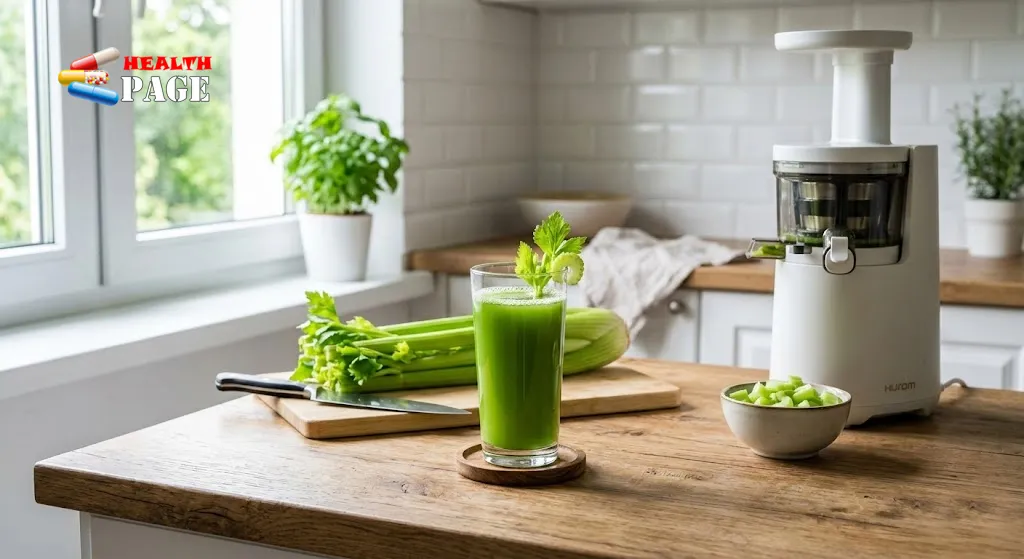
Celery is about 95% water. That means the juice is incredibly hydrating.
Staying hydrated supports:
- Energy levels
- Mental focus
- Digestion
- Temperature regulation
- Healthy skin
Many people dislike plain water and end up under-hydrated. A lightly salty, crisp vegetable drink can make it easier to sip more fluids through the day.
Example:
If you struggle to drink enough water, you might try a small glass of this juice mid-morning instead of a second coffee. You still need plain water, but this can help you meet your daily fluid goals.
3. Anti-Inflammatory Support from Plant Compounds 🌿
Celery contains plant compounds called flavonoids, including apigenin and luteolin. These act as antioxidants and may help reduce inflammation in the body.
Chronic, low-grade inflammation is linked with conditions such as:
- Arthritis
- Allergies
- Heart disease
- Some digestive issues
Early laboratory and animal studies suggest these celery compounds may help by:
- Reducing oxidative stress
- Modulating inflammatory pathways
Human research is limited and ongoing, so we should stay cautious. Still, including a variety of antioxidant-rich plants, including celery, is consistent with evidence-based nutrition advice.
For a detailed science-based overview of celery juice benefits, reputable health sites such as celery juice benefits can offer additional context.
4. Heart Health: Possible Help with Blood Pressure ❤️
Celery contains phthalides, a group of compounds that may help relax the smooth muscles in blood vessel walls. This relaxation could support lower blood pressure in some individuals.
Potential heart-related perks include:
- Natural source of potassium, which helps balance sodium
- Very low in saturated fat
- Low in calories, so it can replace sugary drinks
However:
- Most research involves celery seeds or concentrated extracts, not typical homemade juice.
- Effects are usually modest and part of an overall heart-healthy lifestyle.
If you already take blood pressure medication, be careful. Large amounts of this juice could, in theory, contribute to lower pressure than intended. Always speak with your doctor before making big diet changes.
5. Gut Health: Fiber (If You Keep It In) and Gentle Digestion 🧠➡️🦠
Many people drink this juice hoping it will “heal” their gut. The picture is more nuanced.
When Juice Is Strained
If you strain the juice through a fine sieve or cloth, you remove most of the fiber. That means:
- Less support for regular bowel movements
- Less fuel for beneficial gut bacteria
- Lower satiety, so you may feel hungry sooner
You still get hydration and micronutrients, but not the full digestive benefits of the whole vegetable.
When Juice Is Left Unstrained
If you blend celery with a bit of water and do not strain it, more fiber stays in the drink. This can help:
- Support regularity
- Reduce mild constipation
- Provide some fullness before a meal
Real-life example:
Someone who feels bloated after heavy dinners may notice gentler digestion when they include blended vegetables and reduce ultra-processed foods. The benefit usually comes from the overall pattern, not from one specific drink alone.
6. Skin Support: Antioxidants and Hydration for a Healthy Glow ✨
Many glowing-skin testimonials credit this drink with miraculous changes. In reality, the changes usually relate to:
- Higher water intake
- Better overall diet
- Reduced sugary and ultra-processed foods
The juice itself may still help in these ways:
- Vitamin C supports collagen production and skin repair.
- Vitamin A and related carotenoids help maintain the skin barrier.
- Antioxidants reduce oxidative stress, which contributes to skin aging.
- Hydration can make skin appear plumper and more vibrant.
However, there is no strong evidence that this drink alone clears conditions like acne or eczema. These issues are complex and often involve hormones, genetics, skincare habits, and other lifestyle factors.
If you notice your skin improving after adding the juice, consider what else changed in your routine at the same time.
7. Weight Management: Helpful Replacement, Not a Magic Fix ⚖️
You will often see claims that this drink “melts fat” or “fixes metabolism.” There is no credible evidence that it does this directly.
What can support weight management is the way you use it:
- It is low in calories and sugar.
- It can replace higher-calorie drinks, such as soda or sugary coffee.
- A small glass before meals may help some people feel more satisfied.
However, if you:
- Add large amounts of fruit or sweeteners, calories increase.
- Rely only on juice and skip balanced meals, you risk nutrient gaps and rebound overeating.
Safe, sustainable weight changes come from:
- A balanced diet rich in whole foods
- Adequate protein, fiber, and healthy fats
- Regular movement
- Consistent sleep and stress management
Celery-based drinks can support a healthy routine, but they are not a stand-alone solution.
8. Low Fiber and Blood Sugar: One Key Downside of Strained Juice
One important downside of strained juice is the loss of fiber. Fiber plays several important roles:
- Slows digestion
- Helps steady blood sugar
- Increases satiety
- Supports gut bacteria
Without fiber, the natural sugars in vegetables enter the bloodstream more quickly. Celery is lower in sugar than many fruits, but this still matters, especially if:
- You have diabetes or prediabetes
- You are very sensitive to blood sugar swings
If this is a concern:
- Prefer blended, unstrained versions.
- Enjoy the drink alongside a meal that includes protein and healthy fats.
- Monitor your body’s response and discuss with your healthcare team.
9. Sodium and Heart Health: Why “More” Isn’t Always Better 🧂
Celery naturally contains sodium. One cup of juice can have around 180–200 mg. For many healthy people, this is reasonable. However, the risks rise when:
- You drink several large glasses per day.
- You already consume a high-sodium diet.
- You have high blood pressure, kidney disease, or heart disease.
High sodium intake can:
- Worsen blood pressure
- Increase fluid retention
- Strain the cardiovascular system over time
If you have heart or kidney issues, it’s wise to:
- Limit the serving size.
- Track total daily sodium, not just from this drink.
- Discuss regular use with your doctor or dietitian.
10. Allergies and Sun Sensitivity: Serious Celery Juice Side Effects ☀️
While many people tolerate this drink well, some experience real Celery juice Side Effects.
Allergic Reactions
Celery is a known allergen. For some people, even small amounts can trigger:
- Itching or tingling in the mouth
- Swelling of lips, tongue, or throat
- Hives or rash
- Breathing difficulty or wheezing
In rare cases, it can cause anaphylaxis, a medical emergency. People with pollen-food allergy syndrome (oral allergy syndrome) may react more strongly to raw forms, including juice.
If you have any history of food allergies, speak with your healthcare provider before trying large amounts.
Psoralen and Sun Sensitivity
Celery contains compounds called psoralens. In high amounts, psoralens can:
- Increase skin sensitivity to ultraviolet (UV) light
- Raise the risk of sunburn, dermatitis, or photoaging
If you drink a lot of this juice and then spend long periods in strong sun, you may be more prone to reactions. Using sunscreen and protective clothing is important, especially if your intake is high.

11. Medication Interactions and Juice Cleanses: Where Things Get Risky 💊
Two more concerns deserve real attention: medication interactions and extreme juice cleanses.
Medication Interactions
Celery and its juice are high in vitamin K, which can interfere with certain blood thinners, such as warfarin. While the exact effect depends on dose and consistency, abrupt changes in intake can shift how your medication works.
This juice may also:
- Slightly lower blood pressure, which could compound medication effects.
- Affect how some diuretics (water pills) work, due to its natural sodium and potassium.
If you take:
- Blood thinners
- Blood pressure medicine
- Diuretics
…always talk to your prescribing doctor before making this drink a daily habit.
Juice-Only Cleanses
Extended juice cleanses are often marketed as “detox” strategies. Scientifically, this is misleading:
- Your liver and kidneys already detoxify your body effectively.
- Removing solid foods for days or weeks can cause fatigue, dizziness, and nutrient deficiencies.
- Cleanses are usually very low in protein, healthy fats, and fiber, which your body needs every day.
Potential problems with long cleanses include:
- Muscle loss
- Blood sugar swings
- Hormonal disruption
- Binge eating after restriction
It is much safer to:
- Include this drink as just one component of a varied, whole-food diet.
- Support natural detoxification by eating enough fiber, staying hydrated, sleeping well, and limiting alcohol and tobacco.
12. Myths and Misconceptions About Celery-Based Drinks 🧪
Let’s clear up some of the biggest myths.
Myth 1: It “Detoxes” Your Body
There is no scientific evidence that this drink “flushes toxins” or cleanses organs. Your liver, kidneys, lungs, skin, and digestive system already handle detoxification.
You can support them with:
- Balanced nutrition
- Hydration
- Movement
- Reduced exposure to harmful substances
But no single food or drink can carry this load alone.
Myth 2: “Cluster Salts” Heal Chronic Disease
Some influencers claim this drink contains special “cluster salts” that kill pathogens and heal chronic conditions. These cluster salts are not recognized in mainstream biochemistry or nutrition science.
This concept does not appear in peer-reviewed research. When evaluating extraordinary claims, it helps to ask:
- Is there published scientific evidence?
- Are the claims testable and repeatable?
- Are there conflicts of interest?
So far, there is no solid data that unique salts in this drink cure complex diseases.
Myth 3: It Works Only on an Empty Stomach
You may hear that you must drink it first thing in the morning, alone, on an empty stomach. There is no reliable evidence for a special timing effect.
Your digestive system works throughout the day. Nutrients are absorbed whether you drink this juice:
- Morning or afternoon
- With food or without
Choose the time that feels best and fits your schedule.
Myth 4: It Guarantees Weight Loss
As discussed earlier, there is no direct fat-burning effect. If you lose weight after starting this habit, it is usually because:
- You replaced high-calorie drinks
- You improved your overall diet
- You became more mindful of what you consume
Healthy weight change depends on many factors, not one drink.
13. How to Make Celery Juice Safely at Home 🥬
If you still want to enjoy this drink, here is a simple, safe celery juice recipe plus tips.
Basic Celery Juice Recipe
Ingredients:
- 1 large bunch of fresh celery (organic if possible)
- Optional: ½ cup cold water (for blending)
- Optional: ½ cucumber or 1 green apple for taste (this adds sugar)
Equipment:
- Juicer or high-speed blender
- Fine mesh strainer or nut milk bag (if you want a smoother drink)
Instructions (Juicer Method):
- Wash the celery thoroughly.
- Trim the base and any browned areas.
- Feed the stalks into your juicer.
- Collect the juice in a clean glass or jar.
- Drink immediately or refrigerate up to 24 hours.
Instructions (Blender Method):
- Wash and chop celery into small pieces.
- Add celery and a little water to the blender.
- Blend until smooth.
- For more fiber, drink as is.
- For a smoother texture, strain through a fine mesh or cloth.
For a balanced approach, consider keeping at least some of the fiber. That way, you get more of the digestive benefits and gentler blood sugar effects.
For another perspective and variations, you can explore trusted resources on how to make celery juice that cover preparation and safety.
14. Practical Tips: Enjoying Celery-Based Drinks in a Balanced Way 🧩
To get the upsides while avoiding the downsides, focus on balance and moderation.
How Much and How Often?
For most healthy adults, a small glass (about 4–8 ounces / 120–240 ml):
- Once a day
- Or a few times per week
…is a reasonable range.
You do not need large bottles or multiple servings every day. More is not always better, especially if you have heart, kidney, or skin conditions.
When to Drink It
There is no “magic” time. Possible options:
- Mid-morning instead of a sugary snack
- Before lunch as a hydrating appetizer
- In the afternoon instead of soda or energy drinks
Choose what feels sustainable and comfortable.
Fresh vs Store-Bought
Home-made is usually best because:
- You control sodium and sugar
- You avoid preservatives and pasteurization losses
- You can keep more fiber if you prefer
If you buy bottled versions:
- Check the ingredient list for added sugars and salt.
- Avoid versions that include a lot of sweet fruit juices if you watch sugar.
- Refrigerate after opening and follow the use-by date.
Keep It in Context
Remember, this drink works best when part of a whole pattern that includes:
- Plenty of whole fruits and vegetables
- Whole grains
- Lean proteins
- Healthy fats (olive oil, nuts, seeds, avocado, etc.)
- Adequate sleep and movement
Think of it as a refreshing sidekick to a healthy lifestyle, not the star of the show.
15. FAQs About Celery-Based Juices ❓
1. Is it safe to drink this juice every day?
For many healthy adults, a small daily glass is fine. If you have allergies, kidney issues, blood pressure concerns, or take certain medications, speak with your doctor first.
2. Does this drink really help with bloating?
Some people feel less bloated when they replace carbonated or sugary drinks with this vegetable-based option. The benefit often comes from hydration and changed eating patterns, not a special property unique to the juice.
3. Can I drink it during pregnancy or breastfeeding?
In normal food amounts, celery is generally considered safe. However, large amounts of concentrated juice may not be ideal during pregnancy, especially if you have blood pressure or kidney concerns. Always check with your healthcare provider.
4. Is it better to eat whole celery instead?
For most people, yes, the whole vegetable offers more fiber and longer-lasting fullness. The juice can be a nice addition, but whole celery (and other vegetables) should remain a mainstay.
5. Does this drink cure acne or eczema?
There is no strong evidence that it cures skin conditions. Hydration and better nutrition may support healthier skin, but chronic skin problems usually need a multi-pronged plan with professional guidance.
6. Can children drink small amounts?
Occasional small servings are usually safe for children who are not allergic. Focus more on whole fruits and vegetables, water, and milk or fortified alternatives. Avoid juice cleanses for kids.
16. Final Thoughts: Should You Drink Celery Juice? 🌱
This trend has opened many conversations about wellness, but it often comes with exaggerated promises. Celery juice is:
- Hydrating and low in calories
- A source of vitamins, minerals, and antioxidants
- Potentially helpful for heart, skin, and gentle digestion support
At the same time, it:
- Can be high in sodium when consumed in large amounts
- Loses most of its fiber when strained
- May cause allergies or increase sun sensitivity for some people
- Can interact with medications and contribute to imbalanced “detox” cleanses
The bottom line: it can be a refreshing, nutrient-packed drink, but not a miracle cure. The safest, most effective approach is to:
- Enjoy it in moderation
- Keep your diet varied and balanced
- Protect your skin and watch for allergic reactions
- Talk with your healthcare provider if you have underlying conditions or take medications
If you feel curious, start with a small home-made serving using the simple recipe above. Notice how your body responds over a few weeks. Combine this habit with other supportive changes, like more whole foods, better sleep, and gentle movement. 🌼
That way, you use this popular drink as one helpful tool in a much bigger, healthier picture.