
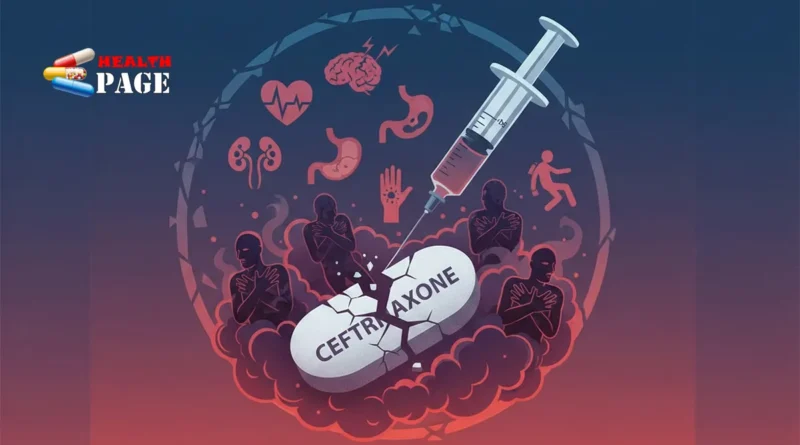
7 Shocking Ceftriaxone Side Effects You Must Know Before Dosage
Ceftriaxone is a widely used injectable antibiotic that can be life‑saving. It treats serious infections like pneumonia, meningitis, and sepsis. But many people start treatment without really understanding potential ceftriaxone side effects.
If you or a loved one is about to receive this medication, it is normal to feel anxious. 💊 You want to stop the infection, but you also want to stay safe. This guide walks you through the most important risks, in simple language, so you can have informed talks with your healthcare team.
You will learn:
- What ceftriaxone is and how it works
- How ceftriaxone dosage and timing can affect side effects
- 7 serious reactions you must recognize early
- When to call your doctor and when to seek emergency care
This article is for education and support. It does not replace medical advice from your own doctor or pharmacist.
What Is Ceftriaxone and When Is It Used?
Ceftriaxone is a third‑generation cephalosporin antibiotic. It is usually given by injection into a vein (IV) or muscle (IM).
Doctors commonly prescribe ceftriaxone for:
- Pneumonia and other serious lung infections
- Bloodstream infections (sepsis)
- Meningitis
- Bone and joint infections
- Complicated urinary tract infections
- Some sexually transmitted infections, like gonorrhea
Because it is strong and long‑acting, ceftriaxone is often given once or twice daily. Typical ceftriaxone dosage in adults ranges from 1 to 2 grams per day. In severe infections, some patients may receive higher doses, always under close supervision.
Used correctly, ceftriaxone can be very effective. But like all antibiotics, it has risks. Understanding them helps you spot warning signs quickly.
Understanding Ceftriaxone Side Effects
People often hear only about mild issues like pain at the injection site or mild stomach upset. Those are common and usually short‑lived.
However, a smaller number of patients can develop more serious ceftriaxone side effects. These reactions can affect:
- The immune system
- Skin and mucous membranes
- Gallbladder and bile ducts
- Kidneys and urinary system
- Gut and colon
- Blood cells
- Brain and nervous system
Not everyone will develop these problems. Many people complete treatment with few issues. But knowing what is possible helps you get help early and protect your health.
Let’s go through 7 shocking, but important, reactions you need to know before starting or continuing your ceftriaxone dosage.
1. Severe Allergic Reactions (Anaphylaxis) 😱
A severe allergic reaction, called anaphylaxis, is one of the most dangerous potential adverse effects. It can occur within minutes of receiving ceftriaxone.
You are at higher risk if:
- You have a known allergy to penicillins or other cephalosporins
- You have reacted badly to antibiotics before
- You have many other medication allergies
Warning signs of a serious allergic reaction include:
- Sudden rash, hives, or intense itching
- Swelling of lips, tongue, face, or throat
- Trouble breathing, wheezing, or chest tightness
- Dizziness, fainting, or fast heartbeat
This is a medical emergency. Call emergency services immediately if these symptoms appear. Do not wait to see if they improve.
Real‑life example:
A 45‑year‑old man received his first IV dose in the emergency department. Within 5 minutes, he developed hives and his lips began to swell. The team stopped the infusion, gave epinephrine and other emergency medications, and monitored him in the hospital. He recovered, but his records now clearly state a cephalosporin allergy.
Before you start ceftriaxone, always tell your doctor about:
- Any past antibiotic reactions
- Food or drug allergies
- History of asthma or eczema
That simple conversation can reduce your risk of severe immune reactions.
For trusted background on drug allergies, you can read more from the World Health Organization at: https://www.who.int
2. Dangerous Skin Reactions and Rashes 😬
Not all rashes are simple. Some skin reactions to ceftriaxone can be life‑threatening. Two rare but serious conditions are:
- Stevens‑Johnson Syndrome (SJS)
- Toxic Epidermal Necrolysis (TEN)
These conditions involve widespread skin damage and can affect the eyes, mouth, and genitals. They often begin like the flu, then progress to painful rashes and blisters.
Warning signs:
- Red or purple spots that spread quickly
- Painful skin, not just itchy
- Blisters on lips, mouth, or eyes
- Peeling skin
- Fever, body aches, and feeling very unwell
If these symptoms appear, stop the drug (if instructed by a doctor) and seek urgent medical attention.
Mild rashes can also occur and may not require stopping ceftriaxone. Examples:
- Light, itchy red spots
- Local rash around the injection site
However, you should always report any new rash to your healthcare team. They can decide whether it is safe to continue or if an alternative is better.
3. Gallbladder “Sludge” and Gallstone‑Like Pain 🧠➡️🫗
One unique issue with ceftriaxone is its effect on bile. The drug is partly removed from the body through the bile, which flows from the liver into the intestine. In some people, ceftriaxone can form crystals in the gallbladder or bile ducts.
This is sometimes called:
- Pseudolithiasis (false gallstones)
- Biliary sludge
It can mimic real gallstones and cause:
- Pain in the upper right side of the abdomen
- Nausea or vomiting
- Pain after eating fatty foods
- Tenderness under the right rib cage
These problems are more likely with:
- High ceftriaxone dosage
- Long treatment courses
- Children, especially those receiving high doses
- People who are fasting or very ill
The good news (without using that phrase): these “stones” often disappear after ceftriaxone is stopped. But in some cases, they can cause:
- Blocked bile ducts
- Inflammation of the gallbladder (cholecystitis)
- Need for surgery or specific procedures
Real‑life example:
A teenager received high‑dose ceftriaxone for meningitis. After 10 days, she developed severe pain in the upper right abdomen. An ultrasound showed gallbladder sludge. Her team switched antibiotics, and her symptoms resolved over a few weeks.
If you develop new, persistent upper abdominal pain during treatment, contact your doctor. Do not ignore it as “just stomach upset.”
4. Kidney and Urinary Problems 🚰
Ceftriaxone can also affect the kidneys and urinary system. It is usually safe for people with healthy kidneys. But problems can happen, especially when:
- Doses are too high for kidney function
- The patient is dehydrated
- Other kidney‑toxic drugs are used at the same time
Possible kidney‑related side effects include:
- Crystals in the urine
- Kidney stones
- Blood in the urine
- Worsening kidney function (seen on blood tests)
Symptoms to watch for:
- Side or back pain below the ribs
- Painful urination
- Pink, red, or cola‑colored urine
- Sudden decrease in urine output
- Swelling in feet, ankles, or face
If you have known kidney disease, it is crucial that your doctor adjusts your ceftriaxone dosage carefully. Regular blood tests may be needed during longer treatment courses.
Your healthcare team might also:
- Encourage adequate fluid intake
- Avoid combining ceftriaxone with other kidney‑toxic medications when possible
- Monitor urine tests if you have symptoms
5. Severe Diarrhea and C. diff Infection 💩
Many antibiotics can disrupt the normal bacteria in your gut. Ceftriaxone is no exception. When normal gut flora are disturbed, harmful bacteria like Clostridioides difficile (C. diff) can overgrow.
This can cause a serious colon infection called C. diff colitis.
Symptoms include:
- Watery diarrhea, often three or more times per day
- Foul‑smelling stools
- Abdominal cramping and pain
- Fever
- Nausea, loss of appetite, or feeling weak
C. diff can lead to dehydration, colon damage, and, rarely, life‑threatening complications. It can appear:
- During ceftriaxone treatment
- Or even weeks after the last dose
Contact your doctor promptly if:
- Diarrhea lasts more than 1–2 days
- You see blood or mucus in stool
- You have diarrhea plus fever or severe cramps
Do not take over‑the‑counter anti‑diarrheal medicines without medical advice in this situation. They can sometimes worsen the problem.
The Centers for Disease Control and Prevention (CDC) offer helpful guidance about C. diff infections and antibiotic use at: https://www.cdc.gov
To reduce your risk:
- Take ceftriaxone only when truly needed
- Discuss any past C. diff infection with your doctor
- Maintain hydration and balanced nutrition during treatment
6. Blood Disorders and Bleeding Problems 🩸
Ceftriaxone can sometimes affect blood cells. Most people will never notice this. But in rare cases, serious blood disorders can occur.
Possible problems include:
- Low platelets (thrombocytopenia)
- Destruction of red blood cells (hemolytic anemia)
- Changes in white blood cell counts
These changes can develop suddenly. They may be related to immune reactions against your own blood cells.
Warning signs:
- Easy bruising or small red spots on the skin
- Nosebleeds or bleeding gums
- Unusual tiredness or weakness
- Shortness of breath with normal activity
- Yellowing of skin or eyes (jaundice)
Doctors often monitor blood counts during prolonged ceftriaxone therapy. This is especially important for:
- Patients receiving long‑term treatment
- People with autoimmune diseases
- Those who have had drug‑induced blood problems before
If you notice new bleeding, bruising, or extreme fatigue, seek medical help. Do not assume it is just “part of being sick.”
7. Neurological Effects: Confusion and Seizures 🧠
The last of the major ceftriaxone side effects to highlight involves the brain and nervous system. High levels of the drug in the body can irritate the brain. This happens more often in:
- Older adults
- People with kidney failure or severe liver disease
- Patients receiving very high doses or prolonged courses
Possible neurological symptoms:
- Headache
- Dizziness
- Confusion or disorientation
- Hallucinations
- Tremors
- Seizures
Real‑life example:
An elderly patient with kidney impairment received standard ceftriaxone dosage, which was too high for his kidney function. After several days, he became confused and had a seizure. Lowering the dose and then switching to a different antibiotic led to gradual improvement.
If you or a loved one on ceftriaxone suddenly becomes very confused, agitated, or has a seizure, seek emergency care. These signs should never be ignored.
Careful dosing and adjustment for kidney and liver function can greatly reduce this risk. Make sure your doctor knows your full medical history and recent lab results.
Summary Table: Serious Ceftriaxone Reactions to Watch For
| Side Effect | Key Warning Signs | What You Should Do |
|---|---|---|
| Severe allergic reaction (anaphylaxis) | Swelling, hives, trouble breathing, faintness | Call emergency services immediately |
| Serious skin reaction (SJS/TEN) | Painful rash, blisters, peeling skin, fever | Stop drug if advised and seek urgent care |
| Gallbladder sludge / pseudo‑stones | Upper right abdominal pain, nausea | Contact your doctor, may need ultrasound |
| Kidney and urinary issues | Side/back pain, blood in urine, swelling | Report promptly; lab tests may be needed |
| C. diff colitis | Watery diarrhea, cramps, fever | Call your doctor; do not self‑treat diarrhea |
| Blood disorders | Bruising, bleeding, extreme fatigue, jaundice | Get medical review and blood tests |
| Neurological effects | Confusion, hallucinations, seizures | Seek emergency care, especially after a seizure |
How Ceftriaxone Dosage Influences Risk
Dose matters. Duration matters too.
Higher or longer ceftriaxone dosage can increase the chance of certain problems, especially:
- Gallbladder sludge
- Kidney issues
- Neurological symptoms
Your doctor will choose your dose based on:
- Type and location of infection
- Your weight and age
- Kidney and liver function
- Other medications you take
Never adjust your own dose. Do not skip doses or “double up” without medical advice. Doing so can both reduce effectiveness and increase harm.
If you are small, elderly, or have chronic kidney disease, ask:
- “Is my ceftriaxone dosage adjusted for my kidney function?”
- “How long do I need this antibiotic?”
- “Will you monitor my blood tests during treatment?”
These questions show you are engaged and help your team protect you.
For more about how antibiotics are handled in the body, the National Institutes of Health offer patient‑friendly information at: https://www.nih.gov
Common, Mild Side Effects You Might Notice 🙂
Not every reaction is dramatic. Many people experience only mild, temporary side effects such as:
- Pain, redness, or swelling at the injection site
- Mild nausea
- Loose stools without severe cramps or fever
- Headache
- Mild tiredness
These often improve as your body adjusts or once treatment ends. Still, let your healthcare team know, especially if they bother you. Sometimes simple steps help, like:
- Slower IV infusion rates
- Changing the injection site
- Taking the dose at a different time of day
If you develop any symptom that feels intense or unusual for you, always reach out for advice. You know your body best. 💙
Protecting Yourself While on Ceftriaxone
You cannot remove all risk, but you can lower it. Here are practical steps to stay safer:
Before starting ceftriaxone:
- Share a full list of medications and supplements
- Mention past antibiotic reactions and allergies
- Discuss kidney, liver, or gallbladder disease
- Ask how long treatment is expected to last
During treatment:
- Report new symptoms early, especially rash, diarrhea, pain, confusion, or shortness of breath
- Drink enough fluids, unless your doctor has restricted them
- Keep follow‑up appointments and lab tests
- Avoid alcohol if advised, especially with liver concerns
After treatment ends:
- Watch for delayed diarrhea, rashes, or jaundice
- Keep a record of your experience with ceftriaxone
- Share that history with future healthcare providers
For broader guidance on safe antibiotic use and resistance, consider linking from this article to your own in‑depth guide on “Using Antibiotics Wisely” or a similar internal resource.
FAQs About Ceftriaxone and Its Side Effects
1. Are ceftriaxone side effects common?
Mild side effects, like pain at the injection site or mild nausea, are relatively common. Serious reactions are rare, but they can be dangerous. That is why it is important to understand warning signs and communicate closely with your healthcare team.
2. How long do ceftriaxone side effects last?
Mild effects usually fade within a few days after the last dose. More serious problems, like C. diff colitis or gallbladder sludge, may take weeks to resolve and sometimes require extra treatment. Always follow up with your doctor if symptoms continue.
3. Can I take ceftriaxone if I am allergic to penicillin?
Some people with penicillin allergy can safely receive ceftriaxone, but the risk of cross‑reaction is higher. Your doctor will consider the type of past reaction, its severity, and the urgency of treatment. Never hide a penicillin allergy; share full details with your provider.
4. Is ceftriaxone safe during pregnancy or breastfeeding?
Ceftriaxone is sometimes used during pregnancy and breastfeeding when the benefits outweigh the risks. Your doctor will weigh your infection severity, alternative options, and timing of pregnancy. Always discuss risks and benefits with your obstetrician or pediatrician.
5. What should I do if I miss a dose?
Ceftriaxone is usually given by a nurse in a clinic or hospital. If you miss an appointment, contact your provider as soon as possible. Do not try to “catch up” by doubling your dose without medical guidance.
6. How can I know if symptoms are from the infection or the drug?
It can be hard to tell. Fever, fatigue, and body aches can come from infection or treatment. Track when symptoms started, how they change after doses, and any new or unusual patterns. Share this timeline with your doctor; it helps them decide what is more likely.
Conclusion: Stay Informed, Stay Safe
Ceftriaxone is a vital tool against serious infections. For many patients, it works well with only minor discomforts. But some ceftriaxone side effects can be severe and even life‑threatening if missed.
You now know about:
- 7 key risks, from allergic reactions to neurological changes
- How ceftriaxone dosage and health conditions can influence those risks
- Which warning signs demand urgent attention
Use this knowledge to ask better questions, notice symptoms early, and partner actively with your healthcare team. If something feels wrong during or after ceftriaxone treatment, listen to your body and speak up.
Your health story is unique. With the right information, support, and medical guidance, you can balance the benefits of ceftriaxone with its potential harms and move toward recovery with more confidence and control. 💙


Pingback: Voriconazole: 7 Shocking Facts About Side Effects, Uses, and Dose
Pingback: Haldol Injection: 10 Amazing Facts Every Patient And Family Should Know