
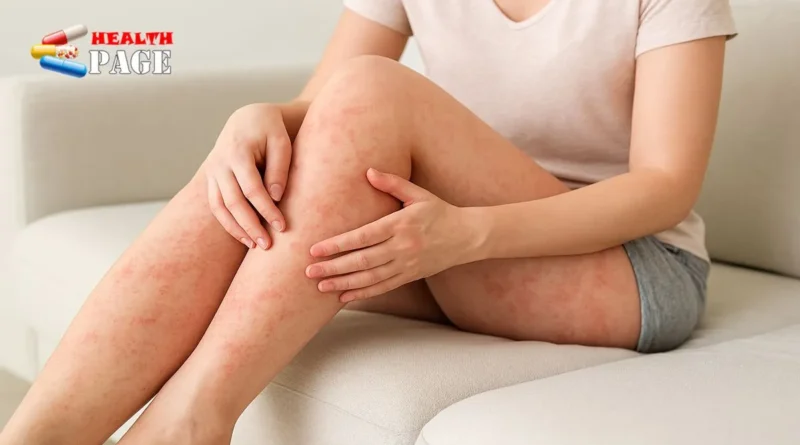
7 Powerful Remedies to Fix Blotchy Skin and Red Blotchy Skin on Legs
Seeing uneven patches, redness, or strange spots on your skin can feel upsetting. When blotchy skin suddenly appears, it is natural to worry.
Maybe your cheeks flush easily, or your arms look speckled after a shower. Perhaps you are dealing with red blotchy skin on legs that makes you hesitate to wear shorts. Whatever the pattern, you deserve clear answers and a calm plan. 💛
This guide walks you through common causes, gentle home remedies, and clear signs that it is time to see a professional. You will find practical tips, real-life examples, and supportive advice you can start using today.
What Is Blotchy Skin?
Blotchy skin describes uneven color or texture on the surface of your skin.
You might notice:
- Red, pink, or purple patches
- Areas that look mottled or speckled
- Skin that alternates between pale and flushed
- Patches that itch, burn, or feel dry
Blotches can appear anywhere, but many people notice them on:
- Face and neck
- Chest and upper back
- Arms and hands
- Legs and ankles
Blotchy skin on legs is especially common. Circulation issues, shaving, heat, and dryness often play a role.
Skin changes can feel alarming. Yet many causes are mild, treatable, and improve with consistent care. The key is understanding what your body is telling you.
Common Causes Behind Blotchy, Red, or Mottled Skin
Before jumping into remedies, it helps to know why these patches appear.
Some frequent triggers include:
- Dryness or damaged skin barrier
- Eczema or dermatitis
- Rosacea
- Allergic reactions or irritants
- Heat rash or sweating
- Keratosis pilaris (tiny bumps on arms or thighs)
- Circulation problems, especially with red blotchy skin on legs
- Infections, like fungal rashes
- Autoimmune or systemic conditions
If blotches appear suddenly with fever, shortness of breath, confusion, or swelling, seek urgent care. That situation can be serious.
Quick Overview of Remedies
Here is a snapshot of the seven remedies we will explore.
| # | Remedy | Best For | At‑Home or Medical? |
|---|---|---|---|
| 1 | Gentle cleansing and barrier repair | Dry, sensitive, mildly red patches | At‑home |
| 2 | Targeted hydration for red blotchy skin on legs | Dryness, shaving irritation, winter flares | At‑home |
| 3 | Cooling and anti-inflammatory strategies | Heat rash, flushing, exercise-triggered red | At‑home |
| 4 | Identifying and avoiding irritants and allergens | Perfume, detergent, or product reactions | At‑home + guidance |
| 5 | Exfoliation and texture smoothing | Bumpy, rough, mottled areas | At‑home (gentle) |
| 6 | Lifestyle changes to support circulation and skin | Mottled legs, standing or sitting all day | At‑home |
| 7 | Professional diagnosis and prescription treatments | Persistent, painful, or spreading blotches | Medical |
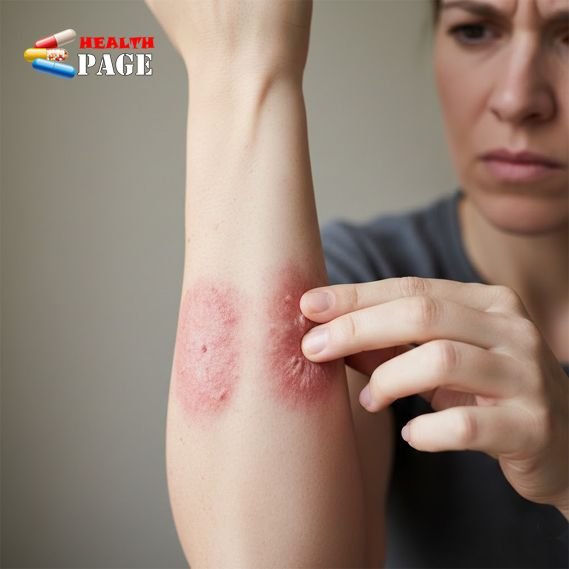
1. Repair Your Skin Barrier with Gentle Cleansing
A damaged skin barrier is one of the most overlooked reasons for blotches. When the barrier breaks down, irritants sneak in and moisture escapes. Skin then looks red, rough, and uneven.
Switch to a mild, fragrance‑free cleanser
Harsh soaps strip natural oils and worsen irritation. Choose:
- Cream or lotion cleansers
- pH-balanced, sulfate‑free formulas
- Products labeled for sensitive skin
Use lukewarm water. Hot water dehydrates skin and increases flushing.
Example:
Sara noticed red patches on her cheeks after washing with foaming gel cleansers. After switching to a creamy, fragrance‑free wash, the redness eased within two weeks.
Pat, do not rub
After cleansing:
- Pat skin dry with a soft towel
- Avoid scrubbing or vigorous rubbing
- Leave skin slightly damp before moisturizing
This small change reduces friction and irritation, especially on sensitive areas like the face and neck.
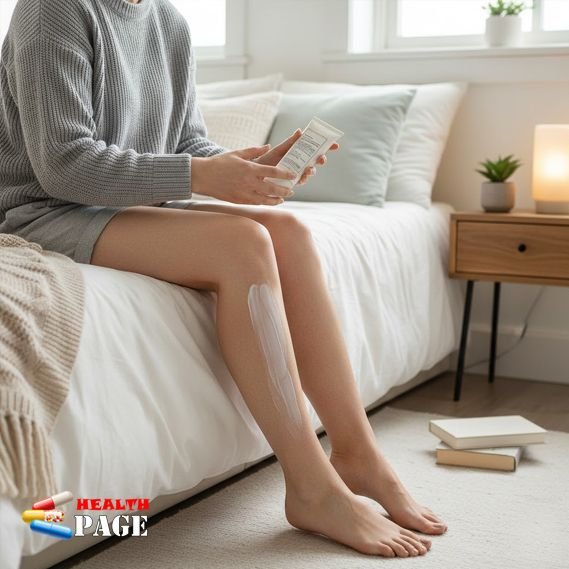
2. Deeply Hydrate Red Blotchy Skin on Legs
When your legs feel tight, itchy, or look scaly, blotches often follow. Dryness can make every small trigger look worse.
Use a thick moisturizer twice daily
For red blotchy skin on legs, choose:
- Creams or ointments, not thin lotions
- Products with ceramides, glycerin, or hyaluronic acid
- Fragrance‑free and dye‑free formulas
Apply within three minutes after showering. This helps lock moisture in.
Add soothing ingredients
Look for moisturizers containing:
- Colloidal oatmeal
- Aloe vera
- Niacinamide
- Shea butter
These ingredients calm redness and support the skin barrier.
Example:
Miguel’s lower legs looked mottled every winter and itched constantly. Using a ceramide body cream morning and night reduced the blotches by almost half within a month.
Protect during hair removal
Shaving is a major cause of blotchy skin on legs. You can reduce irritation by:
- Using a sharp, clean razor
- Shaving with a hydrating cream or gel
- Shaving in the direction of hair growth
- Rinsing with cool water afterward
- Applying a fragrance‑free moisturizer immediately
Avoid dry shaving. It scrapes the skin and invites bumps and redness.
3. Cool and Calm Heat-Triggered Blotches
Exercise, hot showers, spicy food, and emotional stress can trigger sudden flushing and mottling. This is common on the chest, neck, and face.
Lower the temperature
To calm heat-based blotches:
- Take shorter, lukewarm showers
- Use a fan or cooling towel during workouts
- Wear breathable cotton clothing
- Avoid tight, synthetic fabrics
Cold packs can help, but wrap them in a cloth first. Direct ice can damage skin.
Use calming skincare ingredients
Look for products labeled for redness-prone or reactive skin. Helpful ingredients include:
- Green tea extract
- Allantoin
- Panthenol (provitamin B5)
- Centella asiatica (cica)
Apply these after cleansing and before a thicker moisturizer.
Support with sun protection
Sun exposure often worsens blotchy areas. Use a broad‑spectrum SPF 30 or higher daily.
Choose formulas:
- Mineral-based (zinc oxide, titanium dioxide) if very sensitive
- Fragrance‑free
- Labeled for sensitive or rosacea‑prone skin
Reapply every two hours when outdoors.
For more details on sun and skin conditions, the American Academy of Dermatology offers clear guidance:
American Academy of Dermatology 🌤️
4. Find and Avoid Hidden Irritants and Allergens
Sometimes, blotchy patches are your body’s alarm system. It may be reacting to something in your environment.
Common culprits
- Scented laundry detergents or fabric softeners
- Fragrances in lotions, soaps, and deodorants
- Nickel in jewelry, watches, or jean buttons
- Preservatives and dyes in personal care products
- Certain plants or cleaning products
How to track triggers
Try a simple “skin diary” for two to three weeks:
- Note what products touch your skin
- Record foods or medications when new blotches appear
- Observe patterns with weather, stress, or hormones
If red blotchy skin consistently follows a specific lotion or detergent, stop using it. Then switch to a hypoallergenic alternative.
Consider patch testing
If reactions keep happening, a dermatologist can perform patch testing. Tiny amounts of potential allergens are placed on your skin. The doctor then checks for reactions.
This process can reveal surprising triggers and prevent years of frustration.
5. Gently Exfoliate to Smooth Texture and Tone
Not all blotchiness is from redness alone. Sometimes rough texture, bumps, or clogged pores create a mottled look.
Choose the right exfoliant
Mechanical scrubs can be harsh. Instead, consider gentle chemical exfoliants:
- Lactic acid (hydrating, good for dry skin)
- Mandelic acid (gentle, for sensitive skin)
- Salicylic acid (great for clogged pores and bumps)
Use only one exfoliating product at a time. Start once weekly and increase slowly.
Be extra careful with sensitive areas
Avoid strong exfoliants on:
- Broken or weeping skin
- Active eczema or psoriasis plaques
- Very inflamed or painful areas
Over‑exfoliation can worsen blotches. If skin stings or peels, scale back.
Example:
Jasmine had tiny rough bumps on the backs of her arms. A dermatologist suggested a lotion with lactic acid twice weekly. Her arms looked smoother and less blotchy after a month.
6. Support Healthy Circulation for Blotchy Skin on Legs
Circulation plays a major role in how your legs look and feel. Poor blood flow can cause:
- Mottled or marbled patterns
- Feet or lower legs that feel cold
- Swelling after long periods of sitting or standing
Move regularly throughout the day
If your job requires standing or sitting for hours:
- Take short walking breaks every 60 minutes
- Flex your ankles and calves while seated
- Avoid crossing legs for long periods
Even gentle movement improves circulation and reduces pooling of blood.
Elevate your legs
When resting at home:
- Prop legs on pillows so feet are above heart level
- Do this for 15–20 minutes when possible
This simple step can reduce swelling and pressure on leg veins.
Consider compression garments
Compression socks or stockings support veins and circulation. They can be especially helpful if you:
- Stand all day at work
- Are pregnant
- Have a family history of varicose veins
A healthcare professional can advise the right level of compression for your situation.
If blotchy patterns are accompanied by pain, ulcers, or sudden swelling, seek medical care. That situation requires evaluation.
7. Get Professional Help for Persistent Blotchy Skin
While home care helps many people, some blotches need medical evaluation. That step is not a failure. It is a wise investment in your health. 🌿
When to see a dermatologist
Book an appointment if:
- Blotches last longer than six to eight weeks
- Patches hurt, bleed, or ooze
- You also have joint pain, fever, or fatigue
- The pattern is rapidly spreading or changing
- Over‑the‑counter products do not help
A dermatologist will examine your skin, review your history, and may order tests or perform a small biopsy.
Possible medical treatments
Depending on the cause, treatments may include:
- Prescription topical steroids or calcineurin inhibitors
- Antihistamines for allergic reactions
- Antibiotics or antifungals for infections
- Laser or light therapies for visible blood vessels
- Oral medications for autoimmune or vascular conditions
For example, conditions like eczema, psoriasis, and vasculitis can all cause blotches. These conditions often improve with medical care.
For more background on common causes and treatments, see this resource from Mayo Clinic psoriasis overview:
Mayo Clinic psoriasis overview
Practical Daily Routine for Calmer Skin
To pull these remedies together, here is a simple routine you can adapt.
Morning
- Wash with a gentle, fragrance‑free cleanser
- Apply a calming serum or lotion if needed
- Moisturize areas prone to blotchiness
- Apply broad‑spectrum SPF 30+ to exposed skin
Evening
- Cleanse sweat, sunscreen, and makeup gently
- Apply any prescribed creams or spot treatments
- Use moisturizer on face, arms, and legs
- Elevate legs for 10–15 minutes if they swell easily
Weekly or occasional
- Exfoliate gently once or twice weekly, if suitable
- Check for new products or detergents that may irritate
- Monitor patterns of red blotchy skin and triggers
FAQ: Blotchy Skin and Red Blotchy Skin on Legs
1. Is blotchy skin always a sign of something serious?
Not always. Many cases come from dryness, irritation, or mild conditions. Still, persistent or painful blotches deserve a medical check.
2. Can stress cause blotchy or red skin?
Yes. Stress can trigger hormone and nervous system changes that lead to flushing, itching, or hives in some people.
3. Will blotchy skin on legs go away on its own?
Sometimes. Mild irritation or dryness can fade with gentle care and moisturizers. If patches linger or worsen, see a professional.
4. Are home remedies safe for everyone?
Most gentle measures are safe, like moisturizing and cooler showers. However, strong exfoliants or home “peels” can be risky for sensitive skin.
5. Can diet affect red blotchy skin?
For some people, spicy foods, alcohol, or very hot drinks can trigger flushing. Food allergies can also play a role. Track what you eat if you suspect a link.
6. When is blotchy skin an emergency?
Seek urgent care if blotches appear with trouble breathing, swelling of lips or tongue, chest pain, confusion, or high fever.
Conclusion: You Can Calm and Improve Blotchy Skin
Living with blotchy skin can feel discouraging, especially when it appears in visible areas or as red blotchy skin on legs. Yet your skin is not your enemy. It is sending signals about what it needs.
By:
- Protecting your skin barrier
- Hydrating consistently
- Cooling triggers like heat and stress
- Avoiding irritants and allergens
- Supporting circulation
- Seeking professional help when needed
you can usually reduce blotches and feel more at ease in your skin.
Progress may be gradual, but even small steps add up. If something you try does not seem to help, that information still guides your next move. A dermatologist or other qualified professional can partner with you to uncover deeper causes and tailor treatments.
You deserve comfort in your own skin, whether the issue is facial redness or stubborn blotchy skin on legs. Begin with one or two changes from this guide today, and build from there. Your skin is capable of healing, and you are not alone in this journey. 💚

Pingback: Cervix Test During Pregnancy: 5 Crucial Facts Every Mom Must Know to Stay Safe