
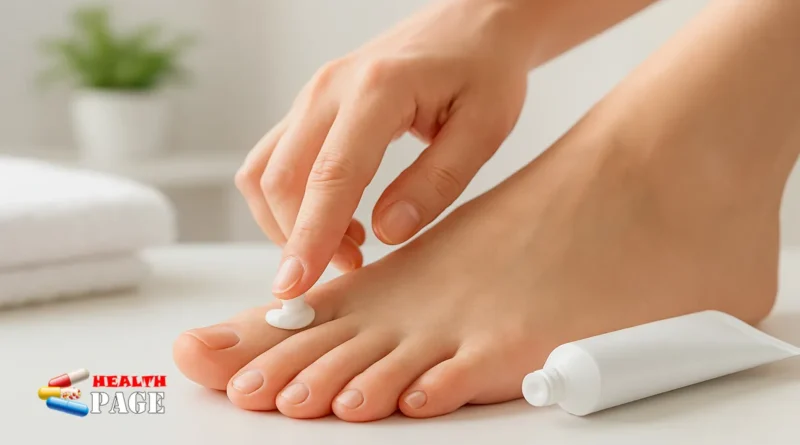
10 Proven Benefits of Bifonazole Cream for Healthy Skin & Toenail Fungus Relief
If you are dealing with stubborn itching, redness, or nail changes, you are not alone. Skin and nail fungus can feel embarrassing, painful, and slow to heal. That is where bifonazole cream often comes in as a trusted topical antifungal treatment. 🌿
This guide explains what is bifonazole cream used for, how it works, and 10 proven benefits for healthier skin and nails. You will also learn about bifonazole cream uses, how it helps with toenail fungus, and possible side effects.
What Is Bifonazole Cream?
Bifonazole is an antifungal medicine from the imidazole family. It is applied directly to the skin or around affected nails.
So, what is bifonazole cream used for?
Doctors and pharmacists often recommend it for:
- Athlete’s foot (tinea pedis)
- Ringworm (tinea corporis)
- Jock itch (tinea cruris)
- Fungal infections in skin folds
- Fungal infections around or under nails
It works by blocking the growth of fungi that damage the skin or nails. Over time, this helps your skin recover and your nails grow healthier.
For more in‑depth drug details, the reference page on bifonazole cream describes its antifungal properties.
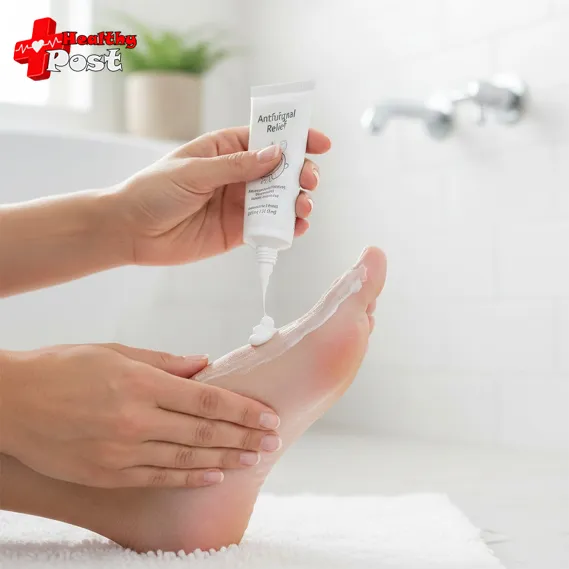
1. Clears Common Fungal Skin Infections
One of the most important bifonazole cream uses is treating common fungal infections on the skin.
These include:
- Athlete’s foot between the toes
- Ring-shaped rashes on the body
- Itchy, red skin in the groin
- Irritation in moist skin folds
How it helps
Bifonazole stops fungi from producing substances they need to grow. Over time, the fungal cells die off.
You may notice:
- Less itching within a few days
- Redness starting to fade
- Scaling and flaking slowly improving
Real-life example:
Someone who works in heavy boots all day develops athlete’s foot. With daily bifonazole application, their peeling skin and burning improve week by week.
2. Supports Relief from Toenail Fungus
Many people ask about bifonazole cream for toenail fungus. Toenail fungus (onychomycosis) can be stubborn. Nails become thick, yellow, brittle, and may crumble.
Topical treatment alone may not cure every severe infection. Still, bifonazole can help in several ways.
Benefits for toenails
- Softens the nail surface over time
- Helps antifungal medication reach the infected nail bed
- Can be part of a combined nail treatment plan
- May improve appearance and reduce odor
Doctors sometimes recommend a combination regimen. This may include nail filing, special plasters, or oral antifungals alongside the cream.
Real-life example:
A person with early nail discoloration starts treatment quickly. Regular bifonazole use, plus careful trimming, helps their nail grow out clearer over several months.
For a broad pharmacology overview of what is bifonazole cream used for, the DrugBank summary at what is bifonazole cream used for is a helpful scientific reference.
3. Helps Reduce Itching, Redness, and Scaling
Fungal infections rarely affect appearance only. They often itch, sting, or burn. This can disturb sleep, mood, and concentration.
This antifungal cream can provide symptomatic relief while it treats the underlying infection.
Symptom improvements you may notice
With consistent use, many people experience:
- Less itching and burning
- Reduced redness and swelling
- Fewer flakes and scales on the skin
- A calmer, more comfortable skin surface
To support the cream’s effect, try:
- Keeping the area dry and clean
- Wearing breathable cotton socks or underwear
- Changing damp clothes and socks quickly
4. Penetrates Deeply into the Skin and Nail Area
For fungal infections, depth matters. The fungus often lives under the surface layer.
Bifonazole is designed to penetrate the outer skin layer and reach the infection more effectively.
Why this matters
- Fungi can hide in deeper skin layers
- Deeper reach may help prevent surface-only relief
- Supports more thorough treatment of the infected area
In nail infections, the medicine must reach the nail bed. This process is slow because nails grow slowly. That is why toenail treatment often takes months, not weeks.
Tip:
Gently filing the nail surface, if your doctor approves, may help topical products penetrate better.
5. Convenient Once-Daily Application
Sticking to treatment can be hard when you are busy. Many topical antifungals, including bifonazole, are often used once daily.
This simple schedule helps many people stay consistent.
Why once-daily is helpful
- Easier to remember a single daily routine
- Fits into morning or bedtime habits
- Reduces disruption to your day
You can link application with:
- Brushing your teeth
- Taking evening medications
- Your nightly skincare routine
Real-life example:
A parent managing work and family chooses a treatment they can apply every night after a shower. This consistency makes it easier to complete the full treatment course.
6. Suitable for Different Areas of the Body
Another advantage among bifonazole cream uses is flexibility. It can be applied to many affected skin areas, as directed by your doctor.
Common areas include:
- Between the toes
- Soles of the feet
- Groin and inner thighs
- Trunk (body)
- Skin folds under the breasts or abdomen
Important safety notes
- Avoid the eyes, mouth, and inside the nose
- Do not apply to open wounds unless your doctor approves
- Wash hands after application, unless your hands are treated
The cream base is usually designed for skin comfort. Still, some people with very sensitive skin should test a small patch first.
Quick Comparison: Common Bifonazole Treatment Areas
| Area of Use | Typical Infection Type | How Often Applied* | Extra Tips |
|---|---|---|---|
| Between toes | Athlete’s foot | Once daily | Dry well between toes after washing. |
| Soles of feet | Moccasin-type tinea | Once daily | Use cotton socks and change them daily. |
| Groin / inner thighs | Jock itch | Once daily | Wear loose, breathable clothing. |
| Skin folds | Intertrigo with fungus | Once daily | Gently dry folds; avoid tight garments. |
| Around nails | Nail-related fungus | Once daily | Trim nails carefully; avoid injury. |
*Always follow your doctor’s specific directions.
7. Can Be Combined with Nail and Skin Care Routines
Medication works best when supported by healthy habits. Bifonazole fits well into broader foot and skin care routines.
Helpful add-ons (if your doctor agrees)
- Gentle cleansing: Use mild soap, then dry carefully
- Regular nail trimming: Keep nails short but not painful
- Foot soaks: Warm water soaks, then thorough drying
- Fresh socks: Change at least once daily
Real-life example:
Someone with recurrent athlete’s foot starts a new routine: daily cream, open-toe sandals at home, and drying between toes. Over time, their flare-ups become less frequent.
If your clinic or site has a separate guide on nail trimming or foot care, you can internally link to it from this section.
8. May Lower Risk of Recurrence with Proper Use
Fungal infections love warm, moist environments. They can come back if treatment stops too soon.
Using the cream for the full recommended duration, even after symptoms improve, makes a difference.
Why full courses matter
- Some fungal cells survive early relief
- Stopping early allows remaining fungi to grow again
- Finishing the course helps clear deeper layers
Doctors often suggest:
- Continuing treatment for 1–2 weeks after symptoms fade
- Maintaining good hygiene daily
- Disinfecting items like shoes, socks, and towels if needed
This combined approach helps reduce the chances that the infection returns.
9. Fits Well into Sensitive Skin Routines
Many people worry about new products on delicate or irritated skin. Bifonazole formulations are usually designed to be well tolerated.
However, every skin type is different.
Bifonazole cream side effects to watch for
Most people do not have serious issues. Some may experience:
- Mild burning or stinging at the application site
- Light redness or irritation
- Dryness or peeling in the area
These effects are usually mild and temporary. If they persist or worsen, stop using the product and speak with a doctor or pharmacist.
When to seek urgent medical advice
Contact a healthcare professional promptly if you notice:
- Severe redness, swelling, or blistering
- A rash spreading beyond the treated area
- Trouble breathing, swelling of lips, face, or tongue
These could suggest an allergic reaction and need immediate care.
10. Supports Confidence and Daily Comfort
Living with visible fungal infections can feel draining. Many people feel self-conscious about showing their feet or skin in public.
By tackling the source of the infection, treatment can bring emotional benefits too.
How treatment can improve daily life
- Less worry about odor or visible rash
- More comfort in shoes or sandals
- Greater confidence at the gym or pool
- Better sleep when itching eases
Real-life example:
Someone avoids swimming because of discolored toenails. After months of consistent treatment and nail care, their nails look better. They feel more comfortable returning to activities they enjoy. 🏊♀️
[IMAGE PROMPT: Happy person sitting on a sofa, barefoot, looking relaxed and confident, with clear, healthy-looking feet and toenails, natural daylight, calm home setting.
How to Use Bifonazole Cream Safely and Effectively
Below is a general guide. Always follow the instructions on your specific product or from your doctor.
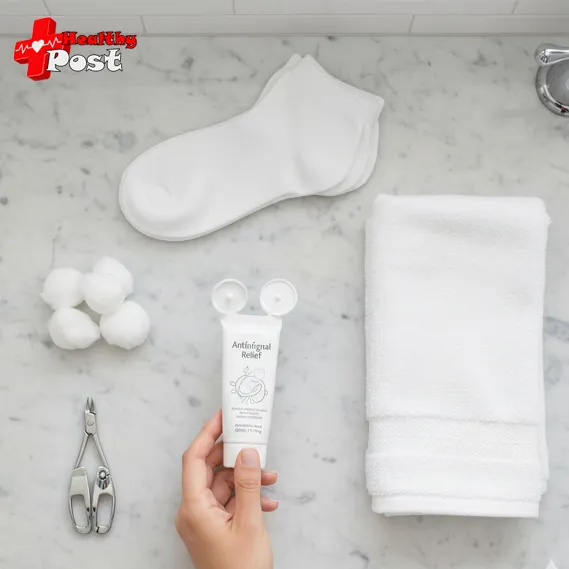
Step-by-step application
- Clean the area
Gently wash with lukewarm water and mild soap. - Dry thoroughly
Pat dry, especially between toes or in skin folds. - Apply a thin layer
Use a small amount and spread it gently over the affected skin. - Include the edges
Slightly extend beyond the visible rash. Fungus can live at the edges. - Wash hands
Clean your hands after applying the cream, unless your hands are being treated. - Repeat as directed
Usually once daily, at the same time each day.
If you miss a dose, apply it when you remember. Skip it if the next dose is near. Do not double-apply.
Bifonazole Cream Uses: Summary Table
| Key Use | Main Goal | Typical Duration* |
|---|---|---|
| Athlete’s foot | Clear fungus, reduce itching | 2–4 weeks or as directed |
| Jock itch | Calm redness, stop spread | 2–4 weeks |
| Ringworm on body | Remove fungal rash | 2–4 weeks |
| Fungal infections in skin folds | Ease irritation, clear fungus | Varies; often several weeks |
| Support for toenail fungus plans | Improve local control, appearance | Often months, with other care |
*Durations vary by product and medical advice.
FAQs About Bifonazole Cream
1. How long does bifonazole cream take to work?
Many people feel less itching within a few days.
Visible improvements in redness and scaling usually appear after one to two weeks.
Nail infections can take several months because nails grow slowly.
2. Can I use bifonazole cream for toenail fungus alone?
You can apply it around the nail and sometimes on the nail plate.
However, severe or longstanding nail infections may need extra treatments.
These may include special nail plasters, oral antifungals, or more intensive regimens.
Discuss your specific case with a doctor or podiatrist.
3. Is bifonazole cream safe for children?
In some regions, it is used in children under medical supervision.
Age limits and recommendations vary by country and product.
Always ask a pediatrician or pharmacist before using it on a child.
4. Can I use it during pregnancy or breastfeeding?
Safety can depend on your stage of pregnancy and your health history.
Some doctors allow topical antifungals on small areas when clearly needed.
Always consult your doctor or midwife before use during pregnancy or breastfeeding.
5. What if I see no improvement?
If symptoms do not improve after the recommended course, see a healthcare professional.
The problem may not be fungal. It could be eczema, psoriasis, or another condition.
You may need tests or a different treatment.
6. Can I use other creams at the same time?
Sometimes doctors prescribe both an antifungal and an anti-inflammatory.
Always ask whether creams should be layered, alternated, or used separately.
Do not mix products on your own without guidance.
When to Avoid or Be Extra Careful
You should avoid using this cream or seek medical advice first if:
- You have had an allergic reaction to imidazole antifungals before
- The skin is badly damaged, bleeding, or has large open wounds
- The infection looks unusual, with pus or severe pain
- You have diabetes and foot problems, especially wounds or ulcers
People with diabetes should have foot infections checked early. Sensation and circulation changes can complicate healing.
Conclusion: Using Bifonazole Cream Wisely for Healthier Skin and Nails
Fungal skin and nail infections are common, uncomfortable, and often slow to heal.
Used correctly, bifonazole cream can help clear many fungal skin infections. It can also support broader plans for toenail fungus relief.
You have learned:
- What is bifonazole cream used for in everyday practice
- The main bifonazole cream uses for skin and nail health
- How it can help with itching, redness, and nail changes
- Possible bifonazole cream side effects and safety tips
If you suspect a fungal infection, consider speaking with a doctor, dermatologist, or pharmacist. They can confirm the diagnosis and guide you on the right treatment course and duration.
With consistent use, supportive hygiene, and patience, you can move toward clearer skin, healthier nails, and more daily comfort. 🌱
Pingback: Diverticulitis Symptoms: 7 Proven Ways to Spot Warning Signs in Females and Males
Pingback: Blotchy Skin: 7 Powerful Remedies to Fix Red Blotchy Skin on Legs and Body