
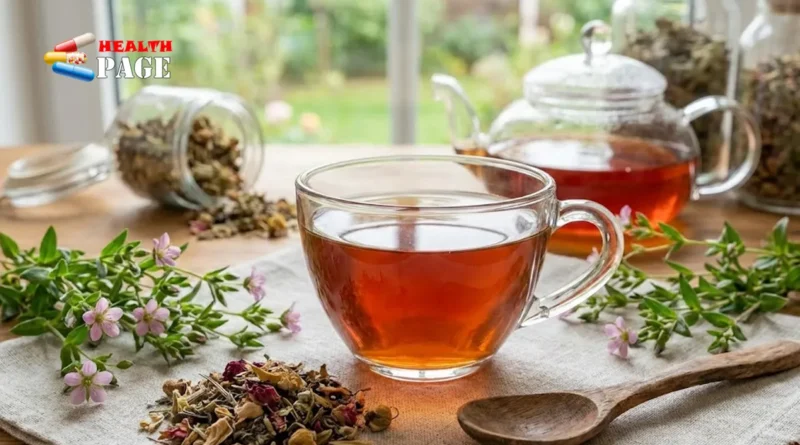
7 Amazing Benefits of Arenaria Rubra Tea for Better Health 🌿
If you are looking for a gentle, natural way to support your health, arenaria rubra tea may be worth exploring. This lesser‑known herbal infusion, made from red sandwort, has a long history in traditional herbal practice.
Many people turn to herbal teas when they feel bloated, tired, or a bit out of balance. It can feel confusing though. There are so many options, and not all are right for everyone.
This guide walks you through seven thoughtful benefits of this sandwort tea. You will also learn how to prepare it safely, when to be cautious, and how to use it as part of a realistic self‑care plan. 💚
1. Arenaria Rubra Tea Gently Supports Digestion
Many traditional herbal references describe arenaria rubra tea as a mild digestive ally. It is not a dramatic remedy, yet it may offer gentle support when your stomach feels off.
Common situations where this sandwort infusion may help include:
- Mild indigestion after heavy meals
- A sense of fullness or sluggish digestion
- Occasional gas or discomfort after eating
It likely works in a few subtle ways:
- Warm herbal tea can relax the digestive tract.
- Bitters in herbs may support stomach secretions.
- Hydration helps move food along the gut.
You can think of it as a steady helper rather than a quick fix. For many people, a warm cup after a meal feels soothing and grounding. One person might use it after late dinners. Another may keep it for weekends with richer food. 😌
2. Helps Your Body Flush Out Toxins
Red sandwort tea has been used traditionally as a mild diuretic. That means it may encourage your kidneys to release more water and salts.
Supporting this natural flushing process may:
- Reduce a puffy, heavy feeling in the body
- Encourage regular urination
- Help your system handle a higher salt intake
However, “detox” is often misunderstood. Your liver and kidneys already detoxify your body every day. Herbal teas, including this one, may simply support what they already do.
To use this sandwort tea in a balanced way:
- Drink it earlier in the day to avoid sleep disruptions.
- Pair it with plenty of plain water.
- Avoid overdoing it if you already take diuretic medications.
If you notice dizziness, very dark urine, or intense thirst, pause the tea. Discuss these symptoms with a healthcare professional.
3. May Ease Bloating and Water Retention
Many people feel bloated after salty meals, long travel days, or during certain times of the menstrual cycle. That swollen, tight feeling can be frustrating and draining.
Because this herbal infusion may increase urine output, it can:
- Help your body shed some excess fluid
- Ease tightness in rings, shoes, or waistbands
- Support a lighter feeling through the day
Here is a simple real‑life example:
A person who often feels puffy before their period may drink one cup in the afternoon. Paired with lower salt intake and gentle walking, they may feel less swollen by evening.
You can combine this tea with other supportive habits:
- Stretching and light movement 🚶♀️
- Reducing very salty snacks
- Keeping a regular sleep schedule
Always remember: if bloating is intense, painful, or sudden, seek medical advice. Herbal tea should not replace urgent care.
4. Soothes Mild Inflammation and Discomfort
Arenaria species are often mentioned in herbal traditions for their soothing properties. While research on arenaria rubra tea itself is limited, many herbs with similar compounds show calming effects on minor inflammation.
Possible ways this red sandwort infusion may help:
- Its plant antioxidants may reduce oxidative stress.
- Mild anti‑inflammatory actions can ease low‑grade discomfort.
- Warmth and hydration relax tense tissues.
You might notice gentle support with:
- Stiffness after a long day at a desk
- General body heaviness after intense exercise
- Mild urinary irritation, when your doctor has ruled out infection
No herbal tea can replace appropriate diagnosis or treatment. Yet it can sit alongside medical care as a small, soothing ritual.
5. Supports Gentle Stress Relief and Relaxation
Stress rarely disappears overnight. Still, small daily practices can soften its impact. A warm cup of arenaria herbal tea can be one of those practices.
Here is how this tea may help you unwind:
- The act of brewing invites a short pause.
- Warm, mild flavor encourages slow, mindful sips.
- A regular evening tea ritual signals your brain to slow down.
You might pair your cup with:
- Slow breathing for three to five minutes
- A short journal entry about your day
- Quiet reading instead of scrolling on your phone 📖
This tea is not a sedative. It should not replace professional care for anxiety or depression. Yet it can support your broader stress management plan.
6. A Calorie‑Light Alternative to Sugary Drinks
Many people want to support healthy weight management. Replacing high‑sugar drinks is a practical step that does not require strict dieting.
Unsweetened arenaria rubra tea is:
- Naturally free of calories
- Free from added sugars
- Typically mild in taste, so easy to sip
If you swap even one daily soda or sweet latte with this tea, you reduce sugar impact over time. That change supports:
- More stable energy levels
- Less blood sugar spike and crash
- A more balanced overall diet
For flavor variety, you can:
- Add a slice of lemon or orange
- Mix with a small amount of mint or chamomile
- Chill it for an iced herbal drink in warmer months 🧊
If you choose to sweeten your cup, keep portions small. A teaspoon of honey or maple syrup is usually enough.
7. Encourages Mindful Self‑Care Rituals
Health is not only about lab results or diagnoses. It also includes how cared for and supported you feel.
Making red sandwort tea part of your routine can:
- Create a small daily moment just for you
- Encourage mindful breaks during busy days
- Help you listen more closely to your body
For example:
- Morning: one cup while planning your day, rather than rushing out the door.
- Afternoon: a short tea break away from your screen.
- Evening: a calming cup as you reflect and wind down.
These small pauses build a sense of rhythm and safety. Over time, that rhythm can support better sleep, calmer digestion, and gentler moods.
How to Prepare Arenaria Rubra Tea Safely ☕️
Before starting any new herbal tea, consider checking in with a qualified health professional, especially if you have medical conditions.
Basic Brewing Instructions
Use dried arenaria rubra herb from a reputable source.
- Measure the herb
- Start with 1–2 teaspoons of dried herb per cup of water.
- Boil the water
- Heat fresh, filtered water to a gentle boil.
- Steep the tea
- Pour water over the herb.
- Cover and steep for 10–15 minutes.
- Strain and serve
- Strain the herb.
- Drink warm, sipping slowly.
- Optional additions
- Add a thin lemon slice.
- Use a small amount of honey if desired.
How Much and How Often?
For generally healthy adults, a common pattern is:
- 1 cup per day for the first week.
- If well tolerated, up to 2–3 cups per day, spaced out.
Avoid continuous heavy use for months without a break. Many herbalists suggest taking one or two weeks off after several weeks of daily use.
Quick Reference: Arenaria Rubra Tea at a Glance
| Benefit area | How it feels day‑to‑day | When to drink it | Helpful notes |
|---|---|---|---|
| Digestion support | Less heaviness after meals, calmer stomach | After meals | Combine with slower, mindful eating |
| Fluid balance | Reduced puffiness, more regular urination | Morning or early afternoon | Not ideal close to bedtime |
| Bloating relief | Looser waistbands, less “tight” feeling | Before or after salty meals | Pair with lower sodium intake |
| Mild inflammation | Slightly easier movement, less general body discomfort | Once or twice daily | Not a replacement for medical treatment |
| Stress and relaxation | Calmer mood, short pauses in a busy day | Late afternoon or evening | Combine with breathing or journaling |
| Weight‑supportive swaps | Fewer sugary drinks, steadier energy | Instead of soda or juice | Keep added sweeteners minimal |
| Self‑care ritual | Feeling more nurtured and present with yourself | Any time you can pause | Link with other healthy routines, like walks |
Safety, Side Effects, and Who Should Be Careful ⚠️
Even gentle herbal teas can cause problems for some people. Listen to your body and err on the side of caution.
Possible Mild Side Effects
Some people may notice:
- More frequent urination
- Slight stomach upset, especially if very strong
- Mild headache from dehydration if they drink little water
If these symptoms feel strong or worrying, stop the tea. Seek medical advice.
People Who Should Use Extra Caution
Speak with a healthcare professional before using arenaria rubra tea if you:
- Are pregnant or breastfeeding
- Have kidney or heart disease
- Take diuretics, blood pressure medication, or lithium
- Have known allergies to sandwort or related plants
- Have a history of serious urinary tract or kidney problems
Children, older adults, and people with many medications should only use it under qualified guidance.
Herbal tea is not a replacement for:
- Prescribed medications
- Investigations for new or serious symptoms
- Emergency care in urgent situations
Frequently Asked Questions About Arenaria Rubra Tea
1. What exactly is arenaria rubra tea?
It is an herbal infusion made from Arenaria rubra, also called red sandwort. The dried aerial parts are steeped in hot water, similar to other herbal teas.
2. How long does it take to notice benefits?
Most people notice immediate comfort from warmth and hydration. Digestive or bloating support may appear over several days to a few weeks of steady use.
3. Can I drink it every day?
Many adults can drink one to three cups daily for a limited time. Taking regular breaks is wise. Always consult a professional if you use it long term.
4. Is it safe during pregnancy or breastfeeding?
Safety data is limited. Because of that, most experts recommend avoiding this tea during pregnancy and breastfeeding unless a qualified practitioner supervises its use.
5. Can I mix arenaria rubra tea with other herbal teas?
Yes, many people blend it with mild herbs like chamomile, lemon balm, or peppermint. Introduce one new herb at a time, and watch for any reactions.
6. Does it interact with medications?
It may interact with diuretics and other medications that affect fluid balance or the kidneys. Always discuss new herbal teas with your doctor or pharmacist first.
Bringing Arenaria Rubra Tea Into Your Daily Life 🌱
Used thoughtfully, arenaria rubra tea can become a gentle companion on your health journey. It may support digestion, fluid balance, mild inflammation, stress relief, and mindful self‑care, especially when paired with a balanced lifestyle.
To move forward safely:
- Start with small amounts and notice how you feel.
- Keep your doctor informed, especially if you take medications.
- Combine the tea with supportive habits like movement, balanced meals, and rest.
You deserve simple, nurturing routines that help you feel more at home in your own body. If red sandwort tea appeals to you, begin with one quiet cup, pay attention to your body’s signals, and let your experience guide the next step. 💚

Pingback: Bromelain: 7 Proven Supplement Facts for Better Health