
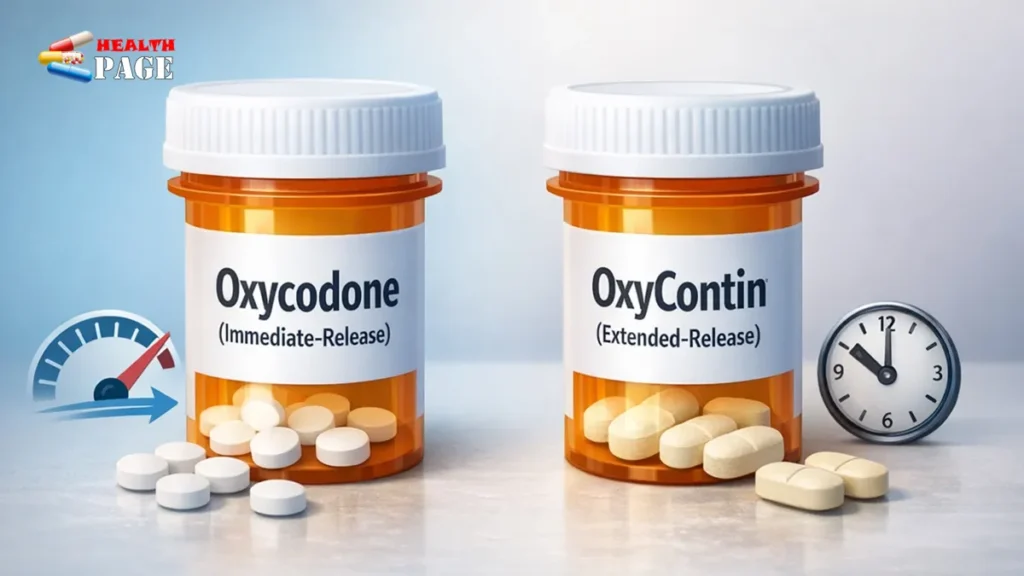
7 Shocking Facts About OxyContin vs Oxycodone Differences You Must Know
If you or someone you love has been prescribed opioid pain medication, you might be confused about oxycontin vs oxycodone. The names sound almost identical. Pharmacies use both terms. Friends may warn you about “Oxy” without knowing which one they mean. 😟
Here is the truth that often shocks people: OxyContin and oxycodone contain the same opioid drug, yet they behave very differently in your body. Those differences can change your risk of overdose, addiction, and long‑term health problems.
In this guide, you will learn 7 eye‑opening facts about these medications. You will also see how they compare, what side effects to watch for, and what to do if things are already out of control.
This article is not here to scare you. It is here to give you clear, compassionate information, so you can make safer choices and know when to ask for help. 💙
Fact #1: OxyContin and Oxycodone Are Chemically the Same Drug
At the most basic level, oxycodone is the active opioid ingredient.
- Oxycodone is the core drug.
- OxyContin is a brand name for extended‑release oxycodone.
So, when people ask “what is oxycontin vs oxycodone?”, the simplest answer is:
- You are dealing with the same opioid molecule.
- The difference lies in how fast and how long it enters your bloodstream.
How oxycodone is prescribed
Oxycodone appears in many medications, for example:
- Plain oxycodone tablets or capsules
- Combination drugs like Percocet (oxycodone plus acetaminophen)
- Short‑acting generics given after surgery or injury
These medications are usually immediate‑release. That means they start working fairly quickly and wear off in a few hours.
How OxyContin is different
OxyContin is designed as a time‑release (extended‑release) tablet.
- It gradually releases oxycodone over many hours.
- It is often used for chronic, severe pain, such as cancer pain.
Because of this design, it is usually taken less often than short‑acting oxycodone.
So chemically they are the same. Yet the oxycontin vs oxycodone difference in release pattern changes how the drug feels, how long it lasts, and how risky misuse can become.
Quick Comparison: Oxycodone vs OxyContin
| Feature | Oxycodone | OxyContin |
|---|---|---|
| Drug type | Active opioid ingredient | Brand‑name, time‑release version of oxycodone |
| Formulation | Immediate‑release; often in combinations | Extended‑release tablets |
| Common uses | Short‑term, moderate to severe pain | Long‑term, severe persistent pain |
| Dosage frequency | Taken more often | Taken less often |
| Onset of action | Faster onset | Slower, more gradual onset |
| Abuse risk | High | Even higher if tampered with |
| DEA classification | Schedule II controlled substance | Schedule II controlled substance |
Both are strong opioids and carry serious risks. The table shows why doctors must prescribe and monitor them very carefully.
Fact #2: The Real Oxycontin vs Oxycodone Difference Is How Long They Last
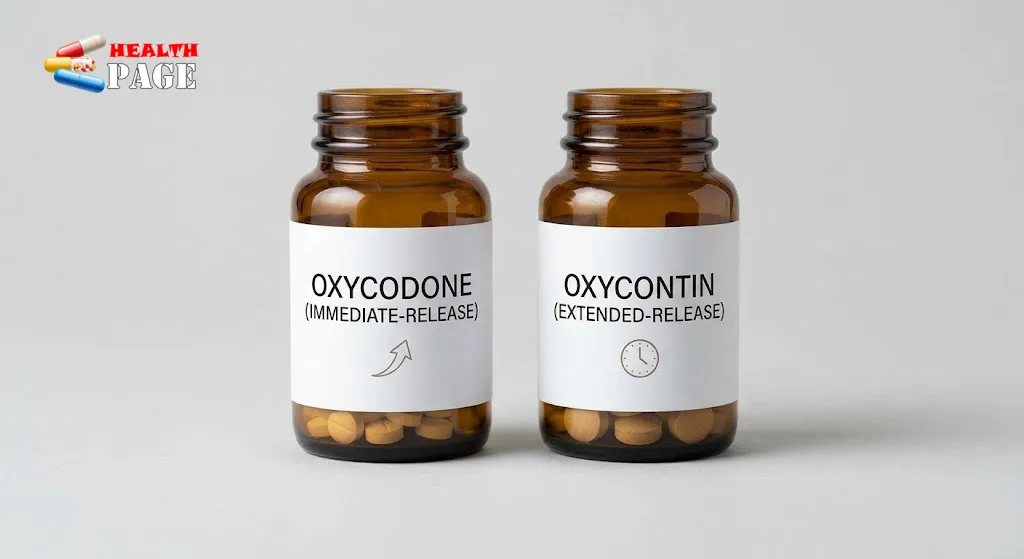
The most important oxycontin vs oxycodone difference is not what they are, but how they work over time.
Immediate‑release vs extended‑release
Immediate‑release oxycodone:
- Starts working within about 30–60 minutes
- Lasts roughly 3–6 hours
- Often taken several times per day
OxyContin (extended‑release oxycodone):
- Designed to last up to 12 hours for many patients
- Released slowly through a special coating and tablet design
- Typically dosed twice a day, sometimes once, depending on the patient
This means:
- Oxycodone is often used for short bursts of pain.
- OxyContin is often used when pain is continuous and severe.
Why this matters
A longer‑acting medication may sound safer, because you take it less often. Yet extended‑release opioids can create steady, high levels of the drug in your body for many hours.
If the dose is too high, or mixed with alcohol or other sedatives, this steady level can push breathing into dangerous territory without much warning.
That is why extended‑release opioids like OxyContin require strict medical supervision and careful dose adjustments.
Fact #3: “Oxycontin vs Oxycodone – Which Is Stronger?” The Answer Is Complicated
Many people ask, “oxycontin vs oxycodone which is stronger?” The answer often surprises them.
Milligram for milligram, they are equally strong
A 10 mg dose of oxycodone contains the same opioid as 10 mg of OxyContin. So in terms of pure chemical strength, they are equal.
Yet the experience can feel different because of:
- Release speed
- Peak levels in the blood
- How long the drug remains active
Why OxyContin can feel stronger
OxyContin:
- Keeps a more stable level of oxycodone in your system.
- May provide deeper, longer pain relief.
- May also maintain longer periods of sedation or euphoria, especially if misused.
If someone tampers with OxyContin (for example, by crushing the tablet), they can destroy the time‑release design. That can release a large dose all at once, which dramatically increases overdose risk. 🚨
Because of this, OxyContin is often considered more dangerous when abused, even though the actual drug is the same oxycodone.
The real concern: risk, not just strength
Focusing only on which is stronger can be misleading. The real concern is:
- How likely are you to overdose?
- How quickly can dependence and addiction develop?
- How easy is it to misuse the prescription?
On all these counts, both medications are high‑risk, and OxyContin can be especially dangerous if not used exactly as prescribed.
Fact #4: Both Medications Can Cause Rapid Dependence and Addiction
Whether you are taking OxyContin or oxycodone, your brain reacts in very similar ways.
These drugs attach to opioid receptors in the brain and body. They:
- Reduce pain
- Produce feelings of relaxation or even euphoria
- Lower anxiety for some people
Over time, your brain and body adapt to these effects.
Tolerance, dependence, and addiction
With ongoing use, three related problems can develop:
- Tolerance
- The same dose stops working as well.
- You feel tempted to take more for the same relief.
- Physical dependence
- Your body adjusts to having the opioid present.
- If you stop suddenly, you experience withdrawal.
- Withdrawal may bring chills, sweating, stomach upset, pain, and intense cravings.
- Addiction (opioid use disorder)
- Use continues despite clear harm.
- Life starts to revolve around getting and taking the drug.
- Work, relationships, and health all suffer.
This process can happen even when someone starts with a valid prescription. No one sets out thinking, “I want to become addicted.” Yet opioids like OxyContin and oxycodone can quietly pull people into a dangerous cycle.

Fact #5: Side Effects Range from Mild Nuisance to Life‑Threatening
Both OxyContin and oxycodone share very similar side effects, because they are forms of the same drug.
Common short‑term side effects
Many patients experience at least some of the following:
- Nausea or vomiting 🤢
- Constipation
- Drowsiness or heavy sedation
- Dizziness or lightheadedness
- Dry mouth
- Sweating or flushing
- Itching or mild allergic reaction
These effects may feel manageable at first. Over time, however, they can become frustrating or even dangerous, especially if doses rise.
Serious and potentially deadly side effects
Opioid painkillers can cause:
- Respiratory depression
- Breathing becomes slow and shallow.
- In severe cases, breathing can stop entirely.
- Severe allergic reactions
- Swelling of the face, lips, or tongue
- Trouble breathing
- Overdose
- Extreme sleepiness
- Confusion or inability to wake up
- Bluish lips or fingertips
- Slow or stopped breathing
- Coma and death in worst cases
Long‑term misuse also raises risk for:
- Seizures (rare but possible)
- Cardiovascular issues, such as low blood pressure
- Liver damage, especially when combined with acetaminophen
- Kidney problems in some cases
If you suspect an overdose, call emergency services immediately. Do not wait to see if the person “sleeps it off.” Those minutes can mean life or death.
People often focus on the short‑term dangers of opioids. The long‑term risks can be just as serious.
Impact on the brain
Chronic use of OxyContin or oxycodone can affect:
- Memory
- Attention and concentration
- Decision‑making and problem‑solving
Some people notice:
- “Brain fog”
- Slower thinking
- Difficulty focusing at work or school
Opioids can also worsen or trigger mood problems:
- Depression
- Anxiety
- Irritability
- Flat or “numb” emotions
Impact on the body
Over months or years, misuse may contribute to:
- Hormonal changes, including low testosterone
- Reduced immune function in some people
- Rare cases of liver and kidney damage, especially with high doses or combinations
These risks apply regardless of whether the label says OxyContin or oxycodone. The key factor is:
- Dose
- Duration of use
- Whether there is misuse or overuse
If you notice thinking, mood, or physical health changing while on these medications, it is important to speak honestly with your prescriber. You deserve pain management that does not quietly damage the rest of your life.
Fact #7: Abuse and Overdose Trends Show How Dangerous These Drugs Are
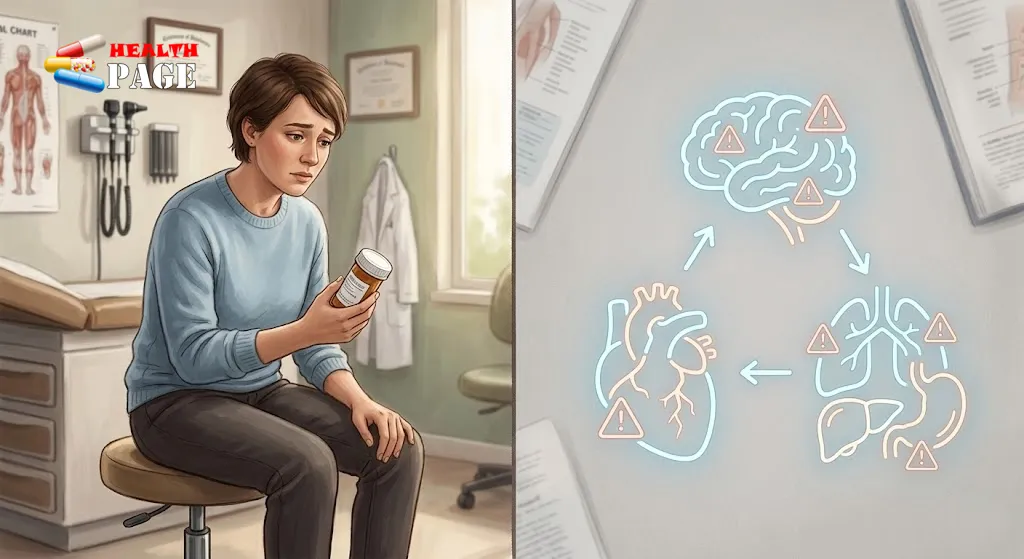
Oxycodone and OxyContin played a central role in the opioid crisis.
Because OxyContin is just a time‑release oxycodone, national statistics often track them together. Still, the pattern tells a powerful story.
Emergency room visits and prescriptions
- In 2004, there were about 51,418 emergency room visits linked to oxycodone/OxyContin.
- By 2010, that number had surged to 182,748 visits.
- After tighter prescribing rules and growing awareness, numbers began to level off around 2011.
This sharp rise and partial decline show two things:
- These medications can easily be misused or overprescribed.
- Education, regulation, and safer prescribing practices can reduce harm.
Many public health agencies now warn about the dangers of both short‑acting and extended‑release oxycodone products. You can see this in resources from the National Institute on Drug Abuse.
Getting Help: Effective Treatment Is Available and It Works
If you recognize signs of struggle with OxyContin or oxycodone—whether in yourself or a loved one—you are not alone. Thousands of people have found real recovery with the right support. 🌱
Step 1: Medical detox
Stopping opioids suddenly can trigger intense withdrawal. Medical detox programs:
- Provide supervision and support
- Use medications to ease symptoms
- Protect against complications like dehydration or severe blood pressure shifts
Detox is not the full answer, but it is often the first critical step.
Step 2: Evidence‑based treatment
Once withdrawal is managed, ongoing treatment aims to:
- Understand the root causes of opioid misuse
- Build new coping skills
- Support healthy routines and relationships
Effective approaches include:
- Cognitive Behavioral Therapy (CBT)
- Motivational interviewing
- Individual counseling
- Family or couples therapy
- Support groups, such as SMART Recovery or 12‑step meetings
Step 3: Medication‑Assisted Treatment (MAT)
For many people with opioid use disorder, Medication‑Assisted Treatment can be life‑saving.
Common MAT medications include:
- Buprenorphine
- Methadone
- Naltrexone
These medications:
- Reduce cravings
- Help stabilize mood
- Lower the risk of relapse and overdose
They are not “replacing one addiction with another.” When used properly under medical care, they function as treatment tools, like insulin for diabetes.
Step 4: Long‑term recovery support
Addiction affects all areas of life. Recovery usually works best with long‑term support, such as:
- Residential rehabilitation programs
- Intensive outpatient programs
- Ongoing therapy or counseling
- Peer support meetings
- Relapse prevention planning
Many people also benefit from:
- Rebuilding routines
- Learning healthy sleep and nutrition habits
- Repairing relationships and finances
- Finding purpose in work, volunteering, or creative pursuits
It is never “too late” to seek help. Recovery is possible even after years of opioid use or multiple relapses.

FAQs About OxyContin and Oxycodone
1. Is OxyContin the same as oxycodone?
OxyContin contains oxycodone as its active ingredient. The difference is that OxyContin is an extended‑release form. Immediate‑release oxycodone works more quickly and wears off faster.
2. Are OxyContin and oxycodone both addictive?
Yes. Both are Schedule II controlled substances with a high risk of dependence and addiction. Misuse, high doses, or long‑term use increase that risk.
3. Can I drink alcohol while taking OxyContin or oxycodone?
It is not safe to drink alcohol with either medication. Alcohol can increase sedation and slow breathing, which greatly raises overdose risk.
4. How long does withdrawal from these drugs last?
Withdrawal usually begins within hours to a day after the last dose. Symptoms tend to peak within a few days and improve over a week or so. Some people experience lingering sleep or mood issues longer. Medical support can make this process safer and more tolerable.
5. Is one safer: oxycontin vs oxycodone?
Neither is truly “safe” without careful medical supervision. OxyContin may carry higher overdose risk if its time‑release form is tampered with. Immediate‑release oxycodone can also be very dangerous when misused or mixed with other depressants.
6. What should I do if I think I am becoming dependent?
Talk to your doctor as soon as possible. Be honest about your use, cravings, or early withdrawal symptoms. Your doctor can help you:
- Adjust or taper the medication
- Refer you to a specialist or treatment program
- Explore safer pain management options
Asking for help is a sign of strength, not failure. 🙏
Conclusion: OxyContin vs Oxycodone – Same Drug, Serious Risks
When you look closely at oxycontin vs oxycodone, one fact stands out:
- OxyContin is simply oxycodone in a long‑acting, extended‑release form.
Chemically, they are the same opioid. Yet their formulation and duration create important differences in:
- How often you take them
- How they feel in your body
- How likely misuse is to lead to overdose
Whether you are dealing with immediate‑release oxycodone or extended‑release OxyContin, both can:
- Cause dependence and addiction
- Trigger serious side effects and overdose
- Affect memory, mood, and long‑term health
The key is not just knowing what is oxycontin vs oxycodone, but understanding the real‑world risks and acting on them.
If you or a loved one is struggling:
- Reach out to a healthcare professional.
- Ask about safer pain options or tapering plans.
- Consider evidence‑based addiction treatment and support.
You are not alone, and change is possible. With the right information and help, you can move from fear and confusion toward safety, stability, and recovery—no matter where you are starting today. 💙


Pingback: XXXS – 3 Critical XXXS Facts Every Health Professional Must Know