
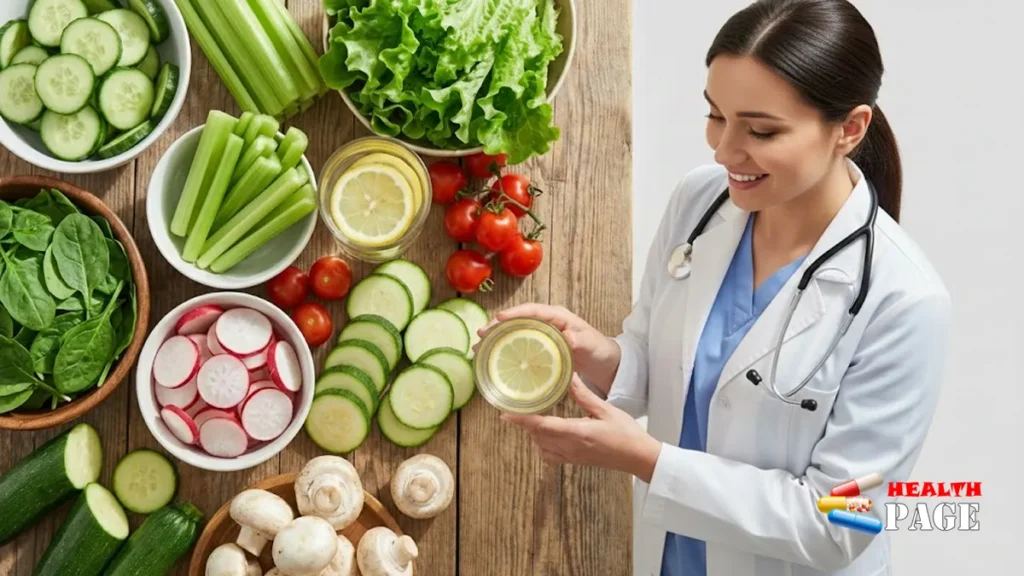
10 Amazing 0 Calorie Foods That Boost Your Health
Feeling stuck trying to eat healthier without feeling deprived? You are not alone. Many people look for 0 calorie foods because they want to feel full, energized, and in control of their choices.
There is an honest catch, though. Apart from water and some calorie-free drinks, almost no foods are truly zero calories. However, some foods are so low in calories and so rich in water and fiber that they feel nearly calorie-free in your daily diet. These can still support weight management, digestion, and overall health. 🥦
In this guide, we will:
- Clear up confusion about foods that have 0 calories
- Share a practical 0 calorie foods list of 10 smart options
- Show how to use these in real life without feeling restricted
- Answer common questions about what foods have 0 calories
Let’s walk through this step by step, with simple tips you can actually use.
How to Think About 0 Calorie Foods (Realistically)
Before we dive into the list, it helps to reset expectations.
- True zero calories: Water, plain black coffee, and unsweetened tea.
- Very low calories: Certain vegetables and broths, often under 20–30 calories per cup.
- Still helpful: These foods can fill your plate and stomach, while keeping calories low.
Why they matter:
- They add volume, so meals look and feel larger.
- They provide fiber and water, which support fullness.
- Many contain vitamins, minerals, and antioxidants.
Research from Harvard T.H. Chan School of Public Health explains that sustainable weight control depends on overall eating patterns. Low‑calorie, high‑volume foods help you eat more food with fewer calories.
So when we talk about 0 calorie foods, think of them as “practically zero” foods that:
- Make meals more satisfying
- Improve nutrition
- Help you manage portions of higher‑calorie items
Now, let’s walk through ten amazing options you can enjoy every day. 🌿
1. Water: The Original Zero Calorie Essential 💧
Water is the only truly zero calorie “food” on this list. Still, it plays a huge role in appetite and energy.
Why it helps
- Supports digestion and nutrient transport
- Can reduce mistaken “hunger” that is actually thirst
- Helps maintain focus and reduces fatigue
Simple ways to drink more
- Start each meal with a glass of water.
- Keep a refillable bottle nearby at work.
- Add slices of lemon, cucumber, or mint for flavor.
Real‑life example:
You feel a mid‑afternoon slump and crave snacks. Try drinking a full glass of water first, then wait 10 minutes. Many people notice the craving softens, or they choose a smaller snack.
2. Cucumber: Crunchy Hydration Hero 🥒
Cucumbers are about 95% water and extremely low in calories. One cup of sliced cucumber has around 16 calories.
Health benefits
- Hydrating and refreshing
- Contains some vitamin K and antioxidants
- Very gentle on the stomach
How to enjoy more cucumber
- Slice into sticks and eat with a light yogurt dip.
- Add to salads, sandwiches, or wraps.
- Float in water for a spa‑like drink.
Real‑life example:
Swap half the crackers on your snack plate for cucumber slices. You keep the crunch, reduce calories, and stay satisfied.
3. Celery: Classic “Negative Calorie” Myth, Real Supportive Snack 🌱
Celery is often described as a “negative calorie food.” That claim is exaggerated, but celery is still very low in calories and high in water.
Why celery works well
- Very low calories per stalk
- Provides fiber that supports digestion
- Contains small amounts of vitamin K and folate
Smart celery ideas
- Pair with a thin layer of hummus or peanut butter.
- Chop into soups and stews for volume and crunch.
- Mix into tuna or chicken salad to bulk up portions.
Real‑life example:
Instead of a whole bowl of chips, mix a smaller portion of chips with celery sticks. You extend your snack time without dramatically increasing calories.
4. Leafy Lettuce: Big Plates, Few Calories 🥗
Leafy lettuces such as romaine, butter lettuce, and green leaf are very low in calories yet high in volume.
Benefits of lettuce
- Increases meal size without many calories
- Provides folate, vitamin A, and vitamin K
- Adds texture and freshness
How to use lettuce wisely
- Build salads with lots of vegetables, plus a lean protein.
- Wrap burger patties or tacos in large lettuce leaves.
- Add shredded lettuce to grain bowls for extra bulk.
Watch the add‑ons:
Lettuce itself is low in calories, but dressings, cheese, bacon, and croutons add up fast. Aim for lighter dressings, or use smaller amounts of richer ones.
5. Zucchini: Versatile, Light, and Comforting 🍲
Zucchini is another star of any 0 calorie foods list, even though it has a small number of calories. It is low enough that generous portions still fit many goals.
Why zucchini stands out
- Mild flavor fits many dishes
- Contains vitamin C and potassium
- Works as a substitute for higher‑calorie foods
Easy zucchini ideas
- Spiralize into “zoodles” instead of full pasta.
- Roast with a drizzle of olive oil and herbs.
- Add thin slices to stir‑fries, omelets, or soups.
Real‑life example:
Use half regular pasta and half zucchini noodles in your dinner. You keep the comfort of pasta but cut calories and add fiber.
6. Mushrooms: Meaty Texture, Minimal Calories 🍄
Mushrooms feel hearty and satisfying, yet they are low in energy. This makes them especially helpful when you crave comfort foods.
Benefits of mushrooms
- Provide B vitamins and minerals like selenium
- Offer a savory “umami” flavor
- Can replace part of the meat in recipes
How to enjoy mushrooms
- Sauté with onions and garlic as a side.
- Use half ground meat and half chopped mushrooms in tacos.
- Add to soups, stir‑fries, or omelets for bulk.
Real‑life example:
When making burgers, mix finely chopped mushrooms into the meat. You lower calories per patty while keeping satisfying texture.
7. Broth‑Based Soups: Warm, Filling, and Light 🥣
Clear vegetable, chicken, or beef broth is very low in calories. When you add non‑starchy vegetables, you get a big, comforting bowl for surprisingly few calories.
Why broth‑based soups help
- Add warmth and comfort, especially on cooler days
- Take time to eat, which helps your body register fullness
- Make a great starter before a main meal
Helpful soup ideas
- Start dinner with a vegetable broth soup.
- Load soups with carrots, celery, zucchini, and mushrooms.
- Limit cream, butter, and large amounts of noodles or cheese.
8. Radishes: Peppery Crunch With Almost No Calories ❤️
Radishes are crisp, colorful, and very low in calories. They add excitement to meals without adding much energy.
Why radishes are useful
- Strong flavor helps small amounts feel satisfying
- Provide vitamin C and antioxidants
- Low in carbs and calories
Ways to use radishes
- Slice thinly into salads or tacos.
- Eat with a small pinch of salt and lemon juice.
- Roast for a milder, sweeter flavor.
Real‑life example:
If your salad feels boring, add a handful of sliced radishes. Their bite makes the dish more interesting, so you enjoy vegetables more.
9. Spinach: Nutrient‑Dense, Calorie‑Light 🌿
Spinach might not be literally zero calories, but it deserves a place among foods that have 0 calories in a practical sense. It provides a large volume of nutrients for very few calories.
Health benefits of spinach
- Rich in vitamin K, vitamin A, folate, and iron
- Supports eye health and immune function
- Works raw or cooked in many recipes
How to add more spinach
- Toss a handful into smoothies.
- Pile onto sandwiches or wraps instead of only lettuce.
- Sauté with garlic as a simple side dish.
Real‑life example:
If your pasta dish feels heavy, stir in several cups of fresh spinach at the end. It wilts down, adds color and nutrients, and increases fullness.
10. Tomatoes: Juicy, Flavorful, and Low in Calories 🍅
Tomatoes bring bright color, acidity, and sweetness while staying low in calories. They are a practical choice when you want flavor without much energy.
Benefits of tomatoes
- Provide vitamin C, potassium, and lycopene
- Support heart health and may reduce oxidative stress
- Work fresh, roasted, or blended into sauces
Easy tomato ideas
- Add cherry tomatoes to salads or snack plates.
- Use sliced tomatoes on sandwiches instead of extra cheese.
- Roast with herbs to intensify flavor and sweetness.
Real‑life example:
When making a grain bowl, add a generous scoop of cherry tomatoes. You boost flavor and moisture, so you need less dressing.
0 Calorie Foods List: Quick Comparison Table 📊
This table gives an overview of these near‑zero‑calorie options. Calories are approximate and may vary by size and preparation.
| Food / Drink | Approx. Calories (per typical serving) | Key Benefits | Easy Use Idea |
|---|---|---|---|
| Water | 0 per cup (240 ml) | Hydration, appetite regulation | Drink before meals |
| Cucumber | 16 per cup, sliced | Hydration, light crunch | Add to salads and snack plates |
| Celery | 10 per large stalk | Fiber, volume, hydration | Pair with hummus or nut butter |
| Leafy Lettuce | 5–10 per cup, shredded | Volume, vitamins A and K | Use as salad or lettuce wraps |
| Zucchini | 20 per cup, sliced | Versatile, vitamin C | Swap for part of pasta or noodles |
| Mushrooms | 15 per cup, sliced | Umami flavor, B vitamins | Mix into burgers or sauces |
| Broth‑Based Soup | 10–40 per cup (without starches) | Warmth, fullness, low energy density | Enjoy as a first course |
| Radishes | 19 per cup, sliced | Peppery taste, vitamin C | Add to salads and tacos |
| Spinach | 7 per cup, raw | Nutrient dense, iron, folate | Stir into soups, eggs, or pasta |
| Tomatoes | 32 per cup, chopped | Lycopene, vitamin C | Add to bowls, salads, and sauces |
Use this table as a simple guide when planning meals or snacks.
How to Use This 0 Calorie Foods List in Daily Life
Knowing what foods are 0 calories (or close) is helpful. But the real impact comes from how you use them.
1. Start meals with low‑calorie volume
- Begin lunch or dinner with a side salad or vegetable soup.
- Use cucumber, lettuce, tomatoes, and radishes for color and crunch.
This helps you feel fuller before you reach higher‑calorie foods.
2. Bulk up your favorite dishes
- Mix spinach into pasta or rice.
- Add mushrooms and zucchini to sauces and stir‑fries.
- Top sandwiches with extra lettuce and tomato instead of more cheese.
You enjoy the same meals, just in a more balanced way.
3. Build balanced snacks
- Pair celery or cucumber sticks with a protein source.
- Use broth‑based soups between meals if you tend to graze.
Aim for combinations like:
- Vegetables + hummus
- Vegetables + cheese stick
- Vegetables + hard‑boiled egg
4. Support emotional eating gently
If you sometimes eat in response to stress or emotions, these foods can help.
- Prepare a big bowl of sliced vegetables in the fridge.
- Pour a mug of warm broth or herbal tea when cravings hit.
You respect your feelings while giving your body something light and nourishing. 💛
FAQs About 0 Calorie Foods
1. What foods have 0 calories, really?
Truly zero‑calorie options are almost only water, unsweetened tea, and plain black coffee. Most “0 calorie foods” are actually just very low in calories. These include cucumber, celery, lettuce, spinach, zucchini, and other non‑starchy vegetables.
2. What foods are 0 calories that I can eat in larger amounts?
You can eat generous portions of:
- Leafy lettuces
- Cucumbers
- Celery
- Spinach
- Zucchini
- Mushrooms
They are not literally 0 calories, but their impact on your daily total is small, especially compared with sweets or fried foods.
3. Are 0 calorie foods safe to eat every day?
Yes, these low‑calorie vegetables and broths are generally safe for most people. They can be part of a balanced diet. However, you still need enough protein, healthy fats, and complex carbohydrates. If you have medical conditions or take medications, discuss major diet changes with your healthcare provider.
4. Can I lose weight by eating only foods that have 0 calories?
Relying only on extremely low‑calorie foods is not healthy or sustainable. Your body needs enough energy, protein, fats, and micronutrients. These foods should support your eating plan, not replace all other foods. A balanced approach works better for long‑term health and weight management.
5. Will these foods speed up my metabolism?
No single food dramatically boosts metabolism. However, high‑fiber, low‑calorie foods can help control hunger and make a reduced‑calorie plan easier to follow. Over time, consistent habits matter more than any single “metabolism booster.”
6. What is the best way to start using 0 calorie foods?
Begin with one or two simple habits:
- Add a side salad or broth‑based soup to one meal.
- Replace part of a high‑calorie snack with raw vegetables.
Once that feels easy, you can experiment with more ideas from this guide.
Bringing It All Together
You now have a realistic understanding of 0 calorie foods, plus a practical list of ten everyday options. These foods:
- Add volume and satisfaction to meals
- Support hydration and digestion
- Provide vitamins, minerals, and antioxidants
They also make healthy eating feel less strict and more flexible. Instead of focusing on restriction, you focus on abundance: more color, more crunch, more freshness.
Try choosing one idea from this article to use today. Maybe you:
- Add spinach and tomatoes to tonight’s dinner
- Prepare celery and cucumber sticks for tomorrow’s snacks
- Start lunch with a simple vegetable soup
Over time, these small choices add up. You build meals that feel satisfying and supportive, not punishing.
Let this guide be a starting point, not a rulebook. Use these near‑zero‑calorie foods to create a way of eating that fits your life, your preferences, and your health goals. 🌱


Pingback: Does Emergen C Expire? Shelf Life, Safety & Potency Explain