
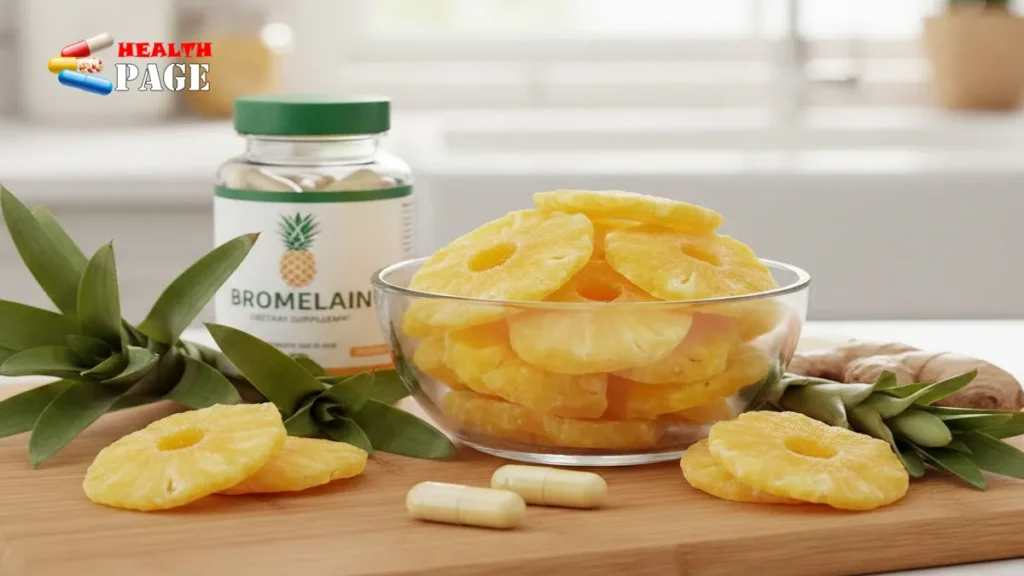
7 Proven Bromelain Supplement Facts for Better Health
Finding safe, natural ways to feel better can feel overwhelming. If you have joint discomfort, bloating, sinus issues, or frequent soreness, you might have heard about bromelain from pineapple. 🍍
This enzyme has been studied for decades. Many people use it for digestion, comfort, and recovery support. Still, it can be hard to know what is hype and what is backed by science.
Below you’ll find seven clear, research-based facts that can help you decide if this supplement belongs in your wellness routine. The goal is simple: give you practical, trustworthy information so you can make a confident choice with your healthcare provider.
1. This pineapple enzyme supports a healthy inflammatory response 🧩
One of the most talked-about bromelain benefits is its role in supporting the body’s natural inflammatory response.
Inflammation itself is not always harmful. Your body uses it to heal injuries and fight infection. The challenge comes when inflammation becomes long-lasting or excessive. That can show up as:
- Ongoing joint stiffness
- Muscle soreness that lingers
- Swelling after activity or minor injuries
Studies suggest this enzyme can:
- Help break down inflammatory compounds
- Support normal circulation to tissues
- Promote more comfortable movement over time
Real-life example
Someone who walks daily may notice knee stiffness after longer days. With consistent enzyme use and guidance from a professional, they might feel less day-after soreness and better mobility.
📝 Important: This enzyme is not a painkiller. It does not replace medical care, especially for severe pain or suspected injury. Instead, it supports the body’s own regulation processes.
2. It can support digestion and reduce bloating 🍽️
This enzyme helps your body break down proteins in food. That is one reason it appears in many digestive formulas.
When digestion is sluggish, you may notice:
- Bloating after meals
- A heavy or “brick in the stomach” feeling
- Gas or discomfort after higher-protein meals
Because this enzyme helps digest protein, it may:
- Reduce the workload on your stomach
- Support more complete protein breakdown
- Lessen occasional gas, pressure, or fullness
How people often use it for digestion
Many digestive formulas suggest:
- Taking the enzyme right before or with meals
- Starting with a low dose and slowly increasing
- Watching how your body responds over one to two weeks
Example:
Someone who feels overly full after a steak dinner might, under guidance, try a digestive formula that includes this enzyme. Over time, they may notice less heaviness and better tolerance of protein-rich meals.
If you have a history of ulcers, reflux, or digestive disease, talk with your doctor first. Enzymes can sometimes irritate sensitive tissue in higher doses.

3. It may ease sinus and respiratory discomfort 🌬️
Many people first hear about this enzyme when they are searching for sinus relief. That is not an accident.
Research suggests that this pineapple-derived enzyme may:
- Help thin mucus
- Support normal sinus drainage
- Ease feelings of facial pressure
- Support recovery after sinus procedures (under medical care)
You might see it included in formulas meant to support:
- Seasonal sinus comfort
- Respiratory wellness
- Recovery after dental or sinus surgery (when guided by a surgeon)
Everyday scenario
During pollen season, someone feels stuffy and tired. Along with nasal rinses, adequate hydration, and medical advice, they add a sinus support formula that contains this enzyme. They may notice easier breathing and less pressure.
However, if you have:
- Difficulty breathing
- Severe pain
- Fever or thick discolored mucus
You should seek medical care promptly. Supplements are supportive tools, not emergency treatments.
4. It can support joint comfort and mobility 🦴
Ongoing joint stiffness can affect every part of daily life. Getting out of bed, climbing stairs, or playing with kids may feel harder.
The pineapple enzyme has been studied for its impact on:
- Occasional joint tenderness
- Exercise-related stiffness
- Comfortable range of motion
Researchers believe it may help by:
- Supporting healthy inflammatory signaling in joint tissues
- Aiding circulation around stiff areas
- Assisting with the breakdown of damaged tissue byproducts
How people often use it for joints
Many joint support plans include:
- Gentle movement and stretching
- Adequate protein and hydration
- Weight management when needed
- Targeted nutrients such as this enzyme, omega-3s, or collagen
Example:
Someone with mild knee discomfort during long walks may, with their provider’s guidance, use this enzyme for several weeks. Combined with stretching and strengthening, they may notice a smoother, more comfortable stride.
Still, joint pain can have many causes, including arthritis, injury, or autoimmune disease. Always seek a proper diagnosis.
5. Quercetin with this enzyme may offer extra support 🌿
You may have seen supplements that combine quercetin with bromelain. There is a reason these two show up together so often.
What is quercetin?
Quercetin is a plant compound (a flavonoid) found in:
- Apples
- Onions
- Berries
- Capers
It is known for its:
- Antioxidant activity
- Support of healthy histamine levels
- Role in immune and allergy support
Why combine them?
When used together, quercetin with bromelain benefits may include:
- Support for stable histamine levels
- Aid for seasonal allergy comfort
- Combined support for sinus and respiratory wellness
- Enhanced absorption of quercetin in some formulas
Many integrative practitioners recommend this combination during high-pollen seasons. It is often part of a second-line strategy when lifestyle steps are not enough.
For more scientific detail, some clinicians refer to discussions of quercetin with bromelain on sites such as quercetin with bromelain from Mount Sinai.
Another helpful overview of quercetin with bromelain benefits appears in resources like quercetin with bromelain benefits, which describe common clinical uses and dosing ranges for adults.
6. It may support heart and circulation health ❤️
Healthy circulation keeps oxygen and nutrients flowing to every organ. The pineapple enzyme may help maintain cardiovascular health in several ways.
Research suggests that this enzyme may:
- Help prevent excessive blood clot formation in certain contexts
- Support flexible blood vessels
- Aid healthy blood flow
Some early studies have explored its impact on:
- Platelet function
- Blood viscosity
- Tissue circulation after injury
While the research is still developing, many practitioners see this enzyme as a supportive piece of a heart-healthy lifestyle, especially when combined with:
- Regular movement
- Blood pressure management
- A nutrient-dense diet rich in plants and healthy fats
- Sleep and stress management
⚠️ Important safety note:
Because this enzyme can affect blood clotting, it may interact with:
- Blood thinner medications
- Aspirin and similar drugs
- Certain herbal products
If you take any medication affecting blood clotting, consult your doctor before using this supplement.
7. How to use this enzyme safely and wisely 🧪
Even natural supplements deserve the same respect as medications. They act on real pathways in your body.
Here are key points to consider before adding a bromelain supplement to your routine (already used in the title):
Typical dosing ranges
Doses vary by brand and by purpose. The table below shows general ranges often found in research and practice.
Always follow the directions on your specific product label and your provider’s advice.
| Goal / Use Case | Common Daily Range* | Timing | Notes |
|---|---|---|---|
| General wellness support | 200–500 mg | With meals or between meals | Start at the lower end. |
| Digestive support | 100–200 mg with meals | Right before or during meals | Often combined with other digestive enzymes. |
| Joint or tissue comfort | 500–1,000 mg | Split 2–3 times per day, away from food | Higher doses need medical guidance. |
| Sinus / seasonal support | 500–1,000 mg | Away from food | Often paired with vitamin C or quercetin. |
*Doses are general educational ranges for adults. They are not personal medical advice.
Safety: who should be cautious
You should speak with a healthcare professional before using this enzyme if you:
- Take blood thinners or have a bleeding disorder
- Have upcoming surgery or dental work
- Have stomach ulcers or active digestive disease
- Are pregnant or breastfeeding
- Have allergies to pineapple or certain pollens
Possible side effects
Most people tolerate the enzyme well at moderate doses. Still, some may experience:
- Nausea or stomach upset
- Loose stools
- Skin rash or itching
- Increased menstrual flow
Stop taking it and seek medical help if you notice:
- Hives
- Trouble breathing
- Swelling of lips, tongue, or throat
These may signal an allergic reaction that needs urgent care.
Choosing a high-quality product
When selecting any enzyme supplement, consider:
- Reputable brand
- Look for companies that share testing results.
- Clear labeling
- The label should list enzyme activity units, not only milligrams.
- Minimal additives
- Avoid unnecessary fillers, dyes, or artificial sweeteners.
- Third-party testing
- Independent verification helps confirm purity and potency.
Example:
Someone with joint and digestive discomfort might work with a functional medicine practitioner. Together, they choose a tested enzyme formula, start with a low dose, and adjust carefully over several weeks.
FAQs about this pineapple enzyme ❓
1. How long does it take to notice effects?
Many people notice digestive support within a few days. For joint comfort or sinus support, it may take several weeks of consistent use. Response time varies by person and health status.
2. Can I get enough from fresh pineapple alone?
Fresh pineapple does contain this enzyme, mostly in the core and stem. Cooking destroys much of the enzyme. The amounts used in studies are usually higher than what most people get from food alone. Supplements provide more controlled, consistent doses.
3. Is it safe to take every day?
For many adults, daily use at moderate doses is considered safe. However, long-term daily use should still be guided by a healthcare professional, especially if you take other medications or have chronic conditions.
4. Can children take this supplement?
Children may be more sensitive to supplements. Some practitioners use this enzyme with children, but only under direct medical supervision. Never give it to a child without discussing dosage and safety with a pediatric professional.
5. Can I use it if I am allergic to pineapple?
If you have a known pineapple allergy, avoid this enzyme unless a specialist advises otherwise. The risk of allergic reaction is higher in that case. Seek an allergy or immunology consult if there is any doubt.
6. Should I take it with food or on an empty stomach?
It depends on your goal:
- For digestion, it is often taken with meals.
- For joint, sinus, or tissue support, it is often taken away from food.
Always follow directions on your specific product and your practitioner’s advice.
Bringing it all together: is this enzyme right for you? 🌟
This pineapple-derived enzyme has been studied for several decades. Research suggests it may support digestion, joint comfort, sinus health, circulation, and overall recovery, especially when paired with smart lifestyle choices.
The most important step is personalizing your approach. Age, medications, health history, and goals all matter.
If you are curious about trying a product that includes this enzyme:
- Talk with your healthcare provider or pharmacist
- Start with a low dose
- Track how you feel over several weeks
- Combine it with solid habits like sleep, movement, and nourishing food
Used thoughtfully, bromelain can become one more supportive tool in a broader, balanced health plan. You deserve care that feels both hopeful and realistic. With good information and the right guidance, you can decide whether this enzyme earns a place in your daily routine.


Pingback: Yellow Bell Pepper: 7 Shocking Facts About Nutrition and Calories