
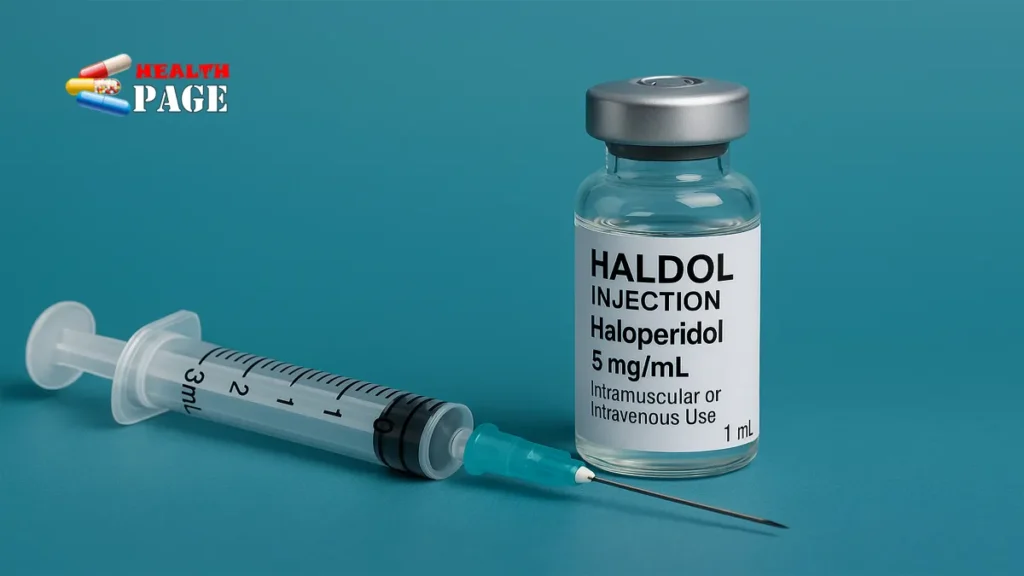
10 Amazing Facts About Haldol Injection for Patients
Hearing that you or someone you love may need a haldol injection can feel scary. You might imagine restraints, emergency rooms, or losing control. Those images can be overwhelming.
In reality, haldol injection is a carefully used medical tool. It is designed to help control severe symptoms, protect safety, and support recovery. When used correctly by trained professionals, it can be both effective and safe.
This article will walk you through 10 important facts about haldol injection. You will learn what it is, why it is used, what to expect, and how to stay involved in decisions. The goal is to help you feel more informed, less alone, and more in control.
As you read, remember one key point. You always have the right to ask questions, understand your options, and have your concerns respected. 🧡
Fact 1: Haldol Injection Is A Short-Acting Form Of Haloperidol
Haldol is the brand name for haloperidol, an antipsychotic medication. The injectable form is used when quick, reliable treatment is needed.
Doctors often use haldol injection for:
• Severe agitation or aggression
• Acute psychosis, including symptoms of schizophrenia
• Delirium or confusion in hospitals
• Serious behavior changes that risk safety
In many cases, the person is too distressed, confused, or ill to take oral medication. An injection can ensure the medicine is received and starts working.
Haldol belongs to a group called “typical” or “first-generation” antipsychotics. It works mainly by blocking dopamine receptors in the brain. This helps calm overactive brain pathways linked to hallucinations, delusions, agitation, and severe anxiety.
Your team might use the injectable form for a short time. After stabilization, many patients transition to oral haloperidol or another antipsychotic.
Fact 2: Haldol Injection Often Works Within Minutes To Hours ⏱️
One main reason doctors choose haldol injection is its speed.
When given as an intramuscular (IM) injection, effects often start within 20 to 30 minutes. Peak effect can appear within a few hours. Many people notice:
• Calmer thoughts
• Less agitation or aggression
• Fewer hallucinations or racing ideas
• Less overwhelming fear
In emergency settings, that speed can protect both the patient and others. It can reduce the need for physical restraints and make communication easier.
The exact response time can vary. It depends on:
• Dose
• Body weight and metabolism
• Other medications taken
• Liver or heart function
If you feel overly sedated, too restless, or “numb,” tell the staff. Doses can often be adjusted. Your comfort and safety matter.
Fact 3: There Are Different Forms Of Injectable Haloperidol
Not every haloperidol shot is the same. Your team may choose between several forms.
Short-acting haldol injection
• Used in urgent or acute situations
• Given into a muscle (IM) or sometimes a vein (IV)
• Effects last several hours, sometimes longer
Long-acting haloperidol decanoate
• Given as a deep muscle injection every 3 to 4 weeks
• Used for long-term maintenance in some patients
• Helps when taking daily pills is difficult
Here is a simple overview:
| Type of Injection | When It Is Used | How Long It Lasts |
|---|---|---|
| Short-acting haldol injection | Emergency agitation, acute psychosis, delirium | Hours to a day, sometimes longer |
| IV haloperidol (hospital only) | Severe agitation or delirium under close monitoring | Short duration, requires heart monitoring |
| Haloperidol decanoate (long-acting) | Ongoing treatment for chronic psychotic disorders | Weeks after each injection |
Always ask which form you are receiving, at what dose, and for how long. That information belongs to you.
Fact 4: Doctors Choose Haldol Injection For Safety And Stabilization
A haldol injection is not used casually. It is usually chosen when other options are not enough or not possible.
Reasons include:
• The person is so agitated they may hurt themselves or others
• They refuse or cannot swallow medications safely
• They are severely confused or delirious
• They are at risk of serious complications if untreated
For example, someone with intense paranoia may refuse pills, convinced they are being poisoned. An injection in a monitored setting can reduce those beliefs and allow further discussion.
Another example: An older adult with sudden delirium pulls at IV lines and tries to leave the hospital. A small dose may prevent falls or serious injury, while doctors treat the underlying cause.
In each case, the goal is stabilization, not punishment. Once the crisis passes, the team should reassess. They should discuss ongoing treatment choices with you more calmly.
Fact 5: Common Side Effects Are Manageable When You Know What To Watch For ⚠️
Like all medications, haldol injection can cause side effects. Many are mild or manageable, especially when caught early.
More common side effects include:
• Drowsiness or feeling “slowed down”
• Stiffness or muscle tightness
• Restlessness or the urge to move constantly
• Dry mouth
• Blurred vision
• Constipation
Here is a quick guide to how they may feel and what to do:
| Side Effect | How It Might Feel | What You Can Do |
|---|---|---|
| Drowsiness | Very sleepy, heavy eyelids, low energy | Rest, avoid driving, tell staff if too strong |
| Muscle stiffness | Rigid neck, jaw, or limbs | Report quickly; medicines can ease stiffness |
| Restlessness (akathisia) | Cannot sit still, inner “buzzing” feeling | Tell your doctor; dose or meds may change |
| Dry mouth | Sticky, dry feeling in mouth | Sip water, use sugar-free gum if allowed |
| Constipation | Hard stools, less frequent bowel movements | Drink fluids, move when able, ask for help |
Never stop medication suddenly without medical advice. Instead, report any side effects. Many can be reduced by changing the dose or adding another helpful medication.
Fact 6: Serious Risks Exist, So Monitoring Is Essential
Although less common, serious side effects can occur. Knowing them helps you seek help quickly.
Rare but serious risks include:
• Heart rhythm changes (QT prolongation)
• Very high fever with stiff muscles and confusion
• Seizures
• Severe allergic reactions
The combination of high fever, muscle rigidity, confusion, and unstable blood pressure can signal a condition called neuroleptic malignant syndrome (NMS). This is an emergency. If you ever notice these signs in yourself or someone else, seek help immediately.
Because of heart rhythm concerns, some patients need:
• An electrocardiogram (ECG) before or during treatment
• Blood tests to check electrolytes like potassium and magnesium
People with known heart disease, long QT syndrome, or low potassium need special caution.
You can learn more about antipsychotic safety from trusted resources such as the U.S. Food and Drug Administration (FDA): https://www.fda.gov.
Fact 7: Older Adults With Dementia Need Extra Caution 👵
Haldol injection is sometimes used in older adults with severe agitation, especially in hospitals or nursing homes. However, antipsychotics, including haloperidol, can increase the risk of stroke and death in people with dementia-related psychosis.
Because of this risk, guidelines recommend:
• Using the lowest effective dose
• Limiting use to situations where there is real danger
• Trying non-drug approaches whenever possible
• Reassessing often and reducing or stopping when safe
Family members can ask:
• Why is this injection needed right now?
• What non-medication approaches have been tried?
• How long will this treatment continue?
For broader background on dementia and behavior changes, you can visit the World Health Organization: https://www.who.int.
Fact 8: Haldol Injection Can Interact With Other Medications
Drug interactions matter with haloperidol, including its injectable form. Some medications can increase side effects or heart risks. Others can change how well haloperidol works.
Be sure your team knows about:
• All prescription medications
• Over-the-counter drugs (including cold medicines)
• Herbal supplements and vitamins
• Recreational substances or alcohol
Medications of particular concern include:
• Other antipsychotics
• Some antidepressants
• Certain antibiotics and antifungals
• Medicines that affect heart rhythm
• Drugs that strongly affect liver enzymes
If you see multiple specialists, make sure each one knows about your haloperidol treatment. A written medication list or a phone photo can help. 📱
Fact 9: Your Experience And Voice Are Central To Treatment
A haldol injection may be given during a crisis. You might feel that you had no say at that moment. That feeling can be very upsetting.
After the crisis passes, your perspective remains crucial. You can:
• Describe how the injection made you feel
• Share any physical or emotional side effects
• Ask about alternative medications or doses
• Request a plan that reduces the chance of future emergencies
For example, someone who felt extremely restless after an injection might work with their doctor to adjust future doses. Another person may switch to a different antipsychotic that fits their body better.
Mental health recovery is not only about medication. Psychotherapy, social support, sleep, nutrition, and meaningful activities all matter. The National Institute of Mental Health offers helpful information about schizophrenia and related conditions: https://www.nimh.nih.gov.
Fact 10: Preparing Questions Can Make Appointments More Helpful ✅
Thinking clearly during a crisis is very hard. Still, you can prepare for future visits by writing questions in advance. Bring a trusted person if possible.
Here are examples you might use:
• Why did you choose haldol injection for me?
• Are there other medications that could work as well?
• What is my exact dose and for how long?
• What side effects should I call about right away?
• How will we decide when to reduce or stop injections?
• Are there therapies or supports besides medication I should try?
You can also ask for information in writing. That includes medication names, doses, and emergency contact numbers. A simple folder or notebook can become your personal health record.
Consider asking whether a long-acting injectable, oral medication, or different antipsychotic might better match your lifestyle and preferences. Your treatment should feel collaborative, not forced. 🤝
Frequently Asked Questions About Haldol Injection
Is haldol injection addictive?
No, haldol injection is not considered addictive. It does not create cravings like drugs of abuse. However, your body can adjust to the medication. Stopping suddenly without medical guidance may cause symptoms to return or worsen. Always discuss changes with your doctor.
How long does a single haldol injection stay in the body?
A short-acting intramuscular dose usually works for several hours and can influence symptoms for up to a day or more. The exact duration depends on dose, body weight, metabolism, and other medications. Long-acting forms, like haloperidol decanoate, can last several weeks.
Can I drive after receiving a haldol injection?
You should not drive or operate heavy machinery right after an injection. Haldol can cause drowsiness, slower reaction time, or blurred vision. Ask your doctor when it is safe to drive again. For many people, this is at least 24 hours after a dose, sometimes longer.
Is haldol injection safe during pregnancy or breastfeeding?
Haloperidol has been used during pregnancy, but risks and benefits must be weighed carefully. It crosses the placenta and can enter breast milk. If you are pregnant, planning pregnancy, or breastfeeding, tell your doctor immediately. A specialist can help decide the safest treatment plan.
What should I do if I think I had a bad reaction?
If you notice fever, severe stiffness, chest pain, trouble breathing, rash, or fainting, seek urgent medical help. For milder issues, such as restlessness, stiffness, or sleep changes, contact your doctor as soon as possible. Do not wait until your next routine visit if you feel unsafe.
Will I need haldol injections forever?
Not usually. Many people receive haldol injection only during acute episodes. After stabilization, the team often switches to oral medications or a different plan. Some individuals may use long-acting injections for maintenance, but this should be reviewed regularly. Your needs can change over time.
Conclusion: Moving Forward With More Confidence And Less Fear 🌈
A haldol injection is often given during some of the hardest moments in a person’s life. Severe agitation, psychosis, or delirium can be frightening for everyone involved. Understanding what this medication does, how it is used, and what to watch for can reduce some of that fear.
You learned that haldol injection:
• Is a short-acting form of haloperidol used in urgent situations
• Works relatively quickly to calm severe symptoms
• Comes with both common and rare side effects that require monitoring
• Needs careful use in older adults and those with heart risks
• Should always be part of a larger, collaborative treatment plan
If you or someone you care about is facing treatment with haldol injection, you are allowed to ask questions. You can request clear explanations and participate in decisions. Treatment works best when it supports both safety and dignity.
Consider discussing this information with your healthcare team at your next visit. Bring your questions, your concerns, and your hopes. Together, you can build a plan that respects your health, your values, and your future. 💙