

Apron Stomach: 10 Amazing Insights on What It Is & How to Get Rid of It Fast
If you feel frustrated by an apron stomach, you are not alone.
Many people notice a soft, overhanging fold of belly skin and fat.
It can feel uncomfortable, affect clothing choices, and impact confidence.
The important thing to know is this: your body is not failing you.
An apron belly usually has clear medical and lifestyle causes.
There are also realistic, safe ways to manage it and, in some cases, reduce it.
In this guide, we will explain what is an apron stomach, why it develops, and how treatment works.
You will also see practical steps you can start today, without extreme diets or unsafe methods.
1. What Is an Apron Stomach? 🤔
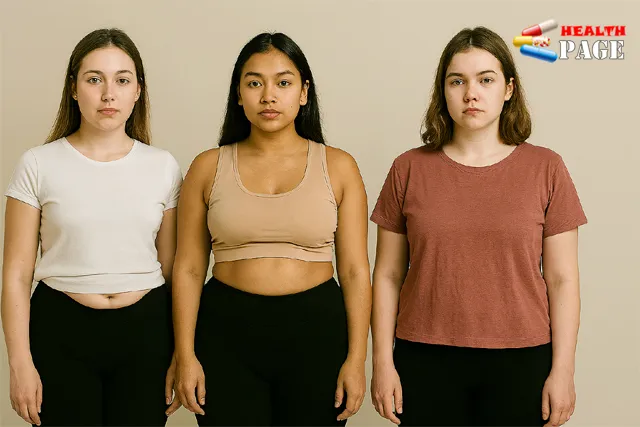
An apron stomach is a fold of skin and fat that hangs down from the lower abdomen.
It can range from a small overhang to a large abdominal “apron.”
Healthcare professionals often call it a pannus or panniculus.
You may notice:
• The lower belly hanging over the waistband.
• Moisture and sweating under the fold.
• Difficulty finding comfortable clothing.
So, what is an apron stomach in medical terms?
It usually appears after significant weight gain, pregnancy, rapid weight loss, or aging.
Skin stretches, fat accumulates, and elasticity decreases.
The tissue then hangs down, rather than shrinking back.
Some people also have loose muscle or separation of abdominal muscles.
This condition is called diastasis recti.
It can make the overhanging belly look more pronounced.
An apron belly is common and not a personal failure.
It is a body response to real changes, often over many years.
2. Why It Happens: Common Causes of an Apron Belly
Most people develop this abdominal apron for several combined reasons.
Understanding them helps you approach how to get rid of apron stomach realistically.
Major causes include:
• Significant weight gain over time
Excess body fat collects in the abdominal area.
Gravity pulls the tissue downward, creating a fold.
• Pregnancy and childbirth 🤱
Pregnancy stretches skin and abdominal muscles.
Some women notice an apron belly after multiple pregnancies.
• Rapid or major weight loss
Skin has less time to adapt after fast weight loss.
A large amount of loose skin can then hang down.
• Aging
Collagen and elastin in the skin decrease with age.
Skin becomes thinner, weaker, and less “snappy.”
• Genetics
Some people store more fat in the abdomen by nature.
Others have skin that stretches more easily.
• Previous abdominal surgery
Scars and surgical changes can affect how tissue hangs.
• Hormonal conditions
Issues like insulin resistance or PCOS can promote belly fat.
The more of these factors you have, the more likely a lower belly overhang becomes.
3. How an Apron Belly Affects Your Health 🩺
An apron belly is not only a cosmetic concern.
It can also affect physical and emotional health.
Possible physical effects include:
• Skin rashes and infections
Moisture and friction under the fold can irritate skin.
This can lead to redness, chafing, or a condition called intertrigo.
You can learn more about intertrigo rash from trusted medical sources.
• Odor and discomfort
Trapped sweat and bacteria may cause odor.
This can lead to embarrassment and self-consciousness.
• Back and hip pain
The extra weight at the front can affect posture.
Muscles must work harder to support the spine.
• Movement limitations
Large abdominal aprons can interfere with walking or exercise.
Some people struggle to find safe, comfortable positions when sitting.
There may also be deeper health connections.
Central abdominal fat increases the risk of metabolic conditions.
These include type 2 diabetes, high blood pressure, and heart disease.
You can explore the broader obesity health risks through public health resources.
The emotional impact is also real.
Many people feel shame, anxiety, or social withdrawal.
Some avoid intimacy or fun activities they once enjoyed.
Your feelings about your body matter.
They are valid and deserve compassionate care, not judgment.
4. The Emotional Side No One Talks About 💬
An apron belly often carries emotional weight as well as physical.
Common feelings include:
• Embarrassment in fitted clothes or swimwear.
• Frustration after weight loss if the overhang remains.
• Anxiety about others’ comments or stares.
One person might say, “I finally lost 60 pounds, yet I still see this overhang.”
Another might avoid mirrors or photos altogether.
It can help to remember:
• You are more than your stomach.
• Bodies change for many reasons, often outside our control.
• You deserve respect and comfort right now, not only “after” change.
Supportive steps can include:
• Talking with a trusted friend or therapist.
• Following body-inclusive accounts online.
• Choosing clothes that fit well and feel gentle on your skin.
Approaching change from a place of care, not self-hate, is crucial.
That mindset makes consistent habits much easier to maintain.
5. Can You Get Rid of It Without Surgery?
Many people ask how to get rid of apron stomach without surgery.
The honest answer depends on what is causing your apron belly.
We can separate it into two main parts:
• Extra fat in the lower abdomen.
• Extra stretched skin and tissue.
Lifestyle changes can reduce fat under and around the fold.
However, they cannot fully shrink very stretched skin.
So, in some cases, only surgical apron stomach removal can eliminate the overhang.
In other cases, a moderate apron belly can improve a lot with:
• Weight loss, if medically appropriate.
• Strengthening the core and improving posture.
• Gentle, long-term lifestyle shifts.
Here is a simple comparison to explain expectations.
| Approach | Best For | What It Can Do | Limitations |
|---|---|---|---|
| Diet and exercise | Extra belly fat with mild overhang | Reduce fat, improve shape, support health | Loose skin may remain |
| Strength training | Weak core, poor posture | Support spine, improve appearance | Does not remove skin |
| Skin care and hygiene | Rashes, odor, chafing | Increase comfort, prevent infection | Does not remove apron belly |
| Surgery (panniculectomy/abdominoplasty) | Large, heavy overhang | Remove extra skin and fat | Requires recovery, cost, possible scars |
Knowing this helps set realistic goals.
You can improve comfort and appearance even if surgery is not an option.
6. Targeted Habits That Help Slim the Area ⚙️
You cannot spot-reduce only the lower belly.
But you can create conditions where the body uses more stored fat overall.
This often reduces the abdominal apron as part of total fat loss.
Key lifestyle habits include:
• A balanced, sustainable eating pattern
Focus on:
• Lean proteins like fish, poultry, beans, tofu.
• High-fiber foods like vegetables, fruits, oats, and legumes.
• Healthy fats like olive oil, nuts, and seeds.
Many people do well with a heart-friendly pattern like the Mediterranean diet.
Avoid extreme crash diets.
They can increase loose skin and slow your metabolism.
• Regular movement 🚶♀️
Aim to move more across the day.
Try:
• Brisk walking.
• Cycling.
• Swimming.
• Low-impact aerobics.
Combine movement with a small calorie deficit if weight loss is safe for you.
A healthcare provider can help you decide.
• Strength training two to three times weekly
Build muscle in your:
• Core
• Legs
• Back
• Glutes
Sample core-friendly exercises:
• Pelvic tilts.
• Bridges.
• Bird dogs.
• Modified planks.
Stronger muscles support the abdomen better.
They can make the area look firmer, even with some loose skin.
• Sleep and stress care 😴
Poor sleep and chronic stress can worsen belly fat.
Aim for 7–9 hours of sleep when possible.
Use calming practices like gentle stretching, reading, or breathing exercises.
These habits will not remove all loose skin.
However, they can change how your abdomen looks and feels in daily life.
7. Medical Treatments and Apron Stomach Removal Options
Sometimes lifestyle changes are not enough.
Especially when the overhang is very large or causes medical issues.
In that case, apron stomach removal through surgery may be considered.
Common procedures include:
• Panniculectomy
This surgery removes the hanging apron of skin and fat.
It usually does not tighten abdominal muscles.
It is often chosen to relieve rashes, infections, and mobility problems.
• Abdominoplasty (tummy tuck)
This procedure can remove excess skin and fat.
It also tightens abdominal muscles in many cases.
It is often considered a cosmetic surgery, though functional benefits exist.
You can read more about abdominal panniculectomy from reputable surgical organizations.
• Bariatric surgery
For people with severe obesity, weight loss surgery may be recommended.
Procedures include gastric bypass or sleeve gastrectomy.
They focus on weight and health risks, not just appearance.
• Noninvasive fat reduction
Treatments like cryolipolysis or radiofrequency can reduce small fat pockets.
They do not remove large amounts of tissue.
They also do not fix significant loose skin.
All procedures carry risks, including:
• Infection.
• Bleeding.
• Scarring.
• Need for revision surgery.
Consult a board-certified plastic surgeon or bariatric surgeon.
Ask about:
• Expected results.
• Recovery time.
• Costs and insurance coverage.
• Realistic limitations.
Some insurance plans may cover panniculectomy for medical reasons.
For example, when rashes or infections are frequent and documented.
8. How to Get Rid of an Apron Stomach Safely and Fast(er)
Many people search how to get rid of an apron stomach fast.
It is understandable.
The overhang can feel urgent and upsetting.
However, safe change is usually gradual.
Quick fixes often bring disappointment or health risks.
Here is a practical approach that balances safety and speed.
• Step 1: Get a clear health picture
Speak with your doctor about:
• Weight, blood pressure, and blood sugar.
• Medications that might affect weight.
• Any hernias or diastasis recti.
They may calculate your body mass index and discuss healthy goals.
• Step 2: Choose one or two core habits
Trying to change everything at once can backfire.
Start with small but meaningful steps, like:
• Adding a 20-minute walk most days.
• Including vegetables in two meals daily.
• Step 3: Create a mild calorie deficit if needed
For many adults, losing 0.5–1 kg per week is considered safe.
Very low-calorie diets should be supervised by a doctor.
• Step 4: Combine cardio and strength
Cardio helps burn energy.
Strength training preserves muscle while you lose fat.
That combination shapes the body more effectively.
• Step 5: Consider medical advice for surgery
If your apron belly is large and causes daily problems, ask about surgery.
Surgical apron stomach removal may offer the most dramatic change.
But it should follow careful evaluation and informed consent.
Fast results are tempting.
Yet the safest “fast” is usually consistent habits over several months.
This path protects your organs, your hormones, and your long-term wellbeing.
9. Daily Care Tips to Prevent Rashes and Discomfort 🌸
Even while you work on long-term changes, comfort today matters.
You can reduce itching, odor, and irritation under the abdominal apron.
Helpful daily care steps:
• Keep the area clean and dry
Wash gently with mild soap and lukewarm water.
Pat dry slowly with a soft towel.
You can even use a hairdryer on a cool setting.
• Use breathable fabrics
Choose cotton underwear and loose, soft waistbands.
Avoid very tight elastic that digs into the fold.
• Apply barrier creams or powders
Non-medicated powders can help absorb moisture.
Barrier creams with zinc oxide or petroleum jelly can reduce friction.
Your doctor can suggest options if you have sensitive skin.
• Watch for signs of infection ⚠️
Contact a healthcare provider if you notice:
• Bright redness.
• Strong odor.
• Oozing or cracks in the skin.
• Burning or severe itching.
A doctor or dermatologist can recommend treatments or prescribe creams.
Dermatology resources also share guidance on managing intertrigo and similar conditions.
Comfort becomes easier when you combine gentle skincare with supportive clothing.
10. Creating an Action Plan You Can Actually Stick With 📅
Big goals feel overwhelming.
Breaking them into small steps makes progress realistic.
Here is a simple action framework:
• 1. Clarify your main reason
Is it comfort, mobility, appearance, or medical risk reduction?
Write one sentence that matters to you.
• 2. Set three-month targets
For example:
• Walk 30 minutes, five days per week.
• Prepare home-cooked dinners four nights weekly.
• Perform core exercises two times per week.
• 3. Track your wins, not only the scale
Notice:
• Clothes fitting differently.
• Less chafing or odor.
• Better stamina climbing stairs.
• 4. Build support 🧑🤝🧑
You might:
• Join a walking group.
• Work with a dietitian.
• See a therapist for body image support.
Organizations like the National Institute of Diabetes and Digestive and Kidney Diseases share science-based weight management guidance.
• 5. Reassess every three to six months
Ask yourself:
• Are my habits still realistic?
• Do I need medical input, including surgical consults?
• Am I caring for my mental health too?
Sustainable change is not about perfection.
It is about gentle persistence and adjusting as life changes.
FAQs About Apron Belly
1. Is an apron stomach dangerous?
It is not always dangerous by itself.
However, it can increase risks of skin infections, back pain, and mobility issues.
If it is linked with high abdominal fat, metabolic risks may also rise.
2. Can I get rid of an apron belly with exercise alone?
Exercise can reduce fat and improve muscle tone.
It cannot remove significant loose skin.
Large overhangs may only fully disappear with surgical removal.
3. Does everyone who loses a lot of weight get an apron belly?
Not everyone.
Genetics, age, speed of weight loss, and skin quality all play roles.
Some people have minimal loose skin, while others have a larger overhang.
4. Will insurance cover apron stomach removal surgery?
Sometimes.
Coverage is more likely if the pannus causes documented medical issues.
These include recurrent infections, ulcers, or movement limitations.
Your surgeon’s office can help with insurance documentation.
5. How long does recovery take after panniculectomy or tummy tuck?
Recovery varies.
Many people need several weeks before normal activities.
Swelling and healing can continue for months.
Your surgeon will give detailed instructions for your specific case.
6. Are there any non-surgical ways to tighten loose skin?
Non-surgical treatments may offer mild tightening.
Examples include radiofrequency or ultrasound devices.
Results are usually modest, especially after large weight changes.
A dermatologist or plastic surgeon can explain realistic outcomes.
Conclusion: Moving Forward With Knowledge and Compassion 🌱
An apron stomach can feel discouraging, but it is also understandable.
It often reflects life events like pregnancies, weight shifts, surgeries, and aging.
You now understand what it is, how it affects health, and the main treatment paths.
While not every apron belly will vanish without surgery, a lot can still improve.
Healthy habits can reduce fat, support your core, and ease discomfort.
Medical options, including panniculectomy or abdominoplasty, may help in selected cases.
Most importantly, you deserve care and respect at every stage of this journey.
If you feel ready, choose one small step from this article today.
Over time, those steps can change how your apron stomach looks and how your whole body feels.

Pingback: Stomach Bug vs Food Poisoning: 7 Shocking Symptoms You Must Not Ignore