
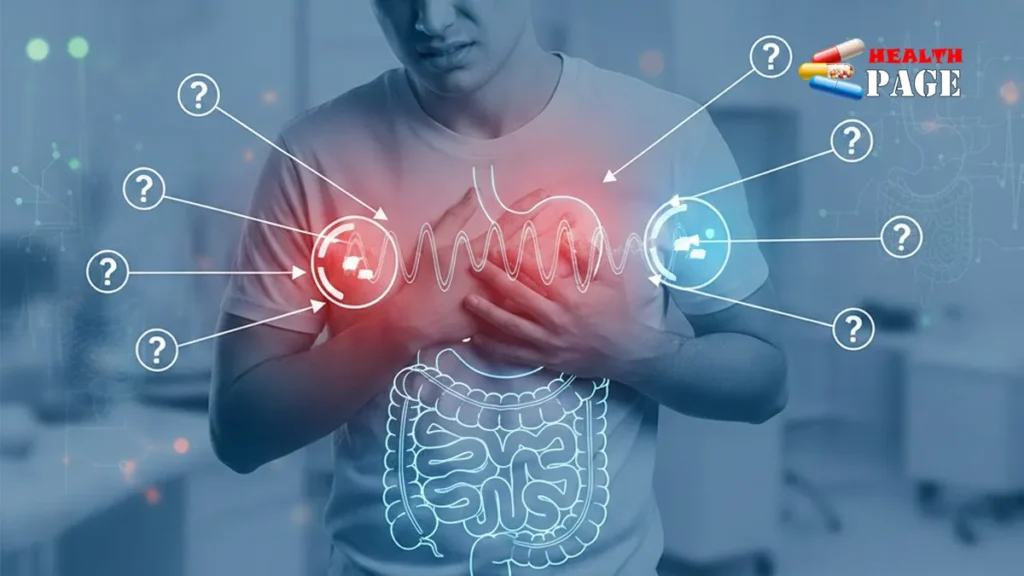
Can Gas Cause Chest Pain? 7 Shocking Facts About Left & Right Side Discomfort
When Chest Pain Might Be “Just Gas” 😟 Chest pain is frightening. Your mind may jump straight to “heart attack.” Yet many people later discover the cause was gas or indigestion. You might wonder in panic, can gas cause chest pain when your chest suddenly feels tight or sharp after eating?
The short answer is yes, trapped gas and digestive issues can create chest discomfort. It can mimic heart pain so closely that even doctors sometimes need tests to tell the difference.
This experience is very common. Someone eats quickly, feels bloated, then notices pain under the ribs or behind the breastbone. The pain may spread to the back or shoulder. It can feel alarming, even if the cause is not life-threatening.
This article will walk you through seven important facts about gas-related chest pain. We will look at both left and right side discomfort, real-life examples, and red flag symptoms you must never ignore. You will also learn how digestive conditions like reflux, bloating, and gallbladder problems can trigger chest pain.
The information here is for education only. It cannot replace a medical exam or emergency care. If you ever feel unsure, treat chest pain as serious until a health professional says otherwise.
This article is crafted with Rank Math SEO optimization in mind, but its main focus is your safety and clarity. Let’s explore what your body may be trying to tell you. 💬
1. Yes, Gas Really Can Trigger Chest Pain That Feels Scary
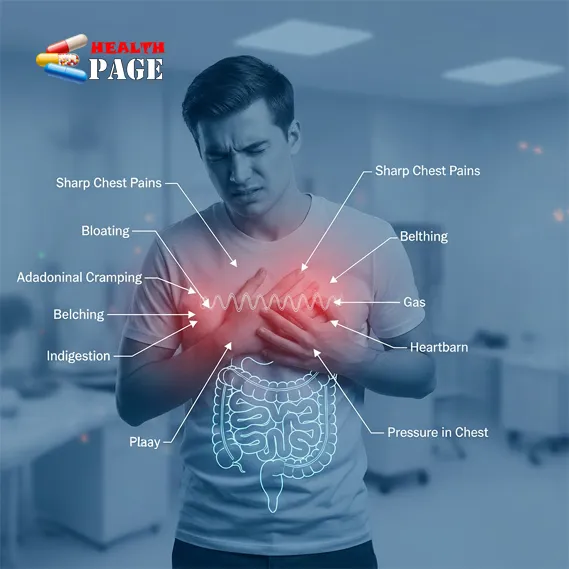
Many people ask, “can gas cause chest pain?” because the sensation feels so intense. The answer is yes. Trapped gas, bloating, and digestive spasms can all create pain in the chest area.
Why this happens:
- Your stomach and intestines sit close to your chest.
- Gas stretches these organs and their surrounding tissues.
- Nerves in the area can send signals that feel like chest pressure.
- The diaphragm, a breathing muscle, can get irritated by gas.
You may feel:
- Sharp, stabbing pain under the ribs.
- A tight “band-like” sensation across the upper abdomen or chest.
- Burning pain behind the breastbone, especially with acid reflux.
- Discomfort that changes when you move or pass gas.
Example:
You eat a large, greasy dinner and soda. An hour later, you feel pressure under the sternum. Burping and changing positions bring some relief. This pattern strongly suggests gas or indigestion, not a heart attack. Still, only a clinician can be certain.
It is important to remember that heart and digestive pain often overlap. Even doctors use tests like ECGs and blood work to rule out heart problems.
So yes, gas can cause chest pain that feels very real and very frightening. Yet you should never assume that chest pain is “just gas” on your own.
For a deeper medical overview of gas and bloating, the Mayo Clinic gas and bloating resource can be helpful: Mayo Clinic gas and bloating.
2. Can Gas Cause Chest Pain on Left Side? Why It Feels Like Your Heart ❤️
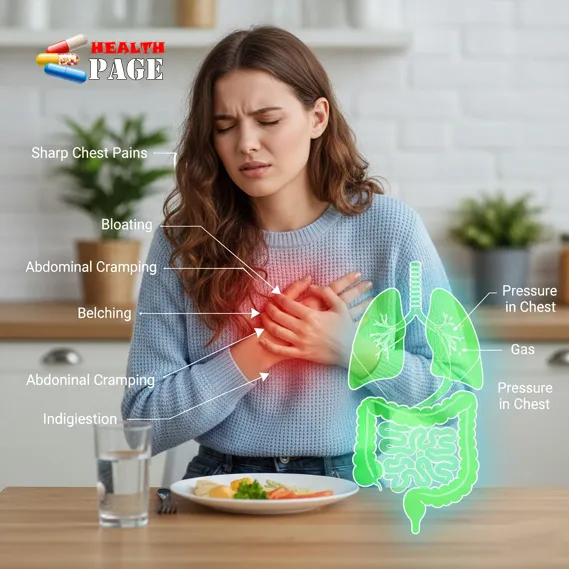
One of the most worrying questions is, can gas cause chest pain on left side, right where your heart sits? The answer is yes, it can.
Left-sided gas pain can feel terrifying because:
- The stomach lies high in the left upper abdomen.
- Gas in the stomach or colon can press upward.
- Acid reflux can cause burning behind the breastbone and to the left.
- The diaphragm irritation can cause referred pain to the chest and shoulder.
People often describe:
- Pain below the left breast.
- Discomfort that gets worse after eating or lying flat.
- A sensation of fullness, gurgling, or bloating with the pain.
- Relief after burping, passing gas, or having a bowel movement.
A typical scenario:
Someone asks “can gas cause chest pain left side?” after a stressful day and a rushed meal. They feel a burning ache on the left, plus a sour taste in the mouth. Antacids, walking, and upright posture lessen the pain. This pattern points toward reflux or gas, not blocked heart arteries.
However, left-sided chest pain can also be a serious cardiac warning. You must watch for:
- Crushing or heavy pressure in the center or left chest.
- Pain radiating to jaw, neck, or left arm.
- Cold sweat, nausea, or sudden breathlessness.
- Pain that comes with exertion and eases with rest.
If any of these happen, call emergency services or go to the nearest emergency department. Do not wait to see if gas remedies help.
For heart symptom guidance, the American Heart Association heart attack symptoms page is a key reference: American Heart Association heart attack symptoms.
3. Right Side Chest Pain: Gas, Gallbladder, or Something Else? 🤔
Many people also wonder, can gas cause chest pain on right side. Right-sided pain is often less linked in our minds to heart disease. Yet it can still feel very unsettling.
Gas on the right side may come from:
- Gas in the ascending colon (the part of the bowel on the right).
- Bloating from poor digestion or food intolerance.
- Constipation that stretches the right colon.
You may feel:
- Sharp, localized pain under the right ribs.
- Cramping that comes and goes.
- Pain that shifts when you change positions.
But right-sided chest or upper abdominal pain can also signal:
- Gallbladder problems (gallstones, inflammation).
- Liver problems.
- Lung issues on the right side.
Clues that point toward gallbladder rather than gas:
- Pain in the upper right abdomen, sometimes moving to the right shoulder.
- Attacks after fatty meals.
- Nausea and sometimes vomiting.
- Pain that stays intense for more than 30 minutes.
If right-sided chest or upper abdominal pain occurs with fever, chills, or severe, constant pain, seek urgent medical help.
So while gas can cause chest pain on right side, you should not ignore persistent, severe, or repeated episodes. A doctor might order an ultrasound or blood tests to check the gallbladder and liver.
4. Gas, Reflux, or Heart Attack? Key Differences in Symptoms
Because chest pain from gas can feel so similar to heart pain, it helps to compare common features. The table below is a guide only. It cannot replace medical judgment.
Table: Typical Differences Between Gas / Reflux Pain and Heart-Related Pain
| Cause | Typical Triggers | Pain Quality | Other Clues | Change With Position / Gas? |
|---|---|---|---|---|
| Gas / Bloating | Large meals, carbonated drinks, constipation | Sharp, crampy, or pressure under ribs | Bloating, burping, abdominal gurgling | Often improves after passing gas, burping, or moving |
| Acid Reflux (GERD) | Spicy, acidic, or late-night meals, lying flat | Burning behind breastbone | Sour taste, hoarse voice, chronic cough | Often worse when lying down, better when upright |
| Heart-Related (Possible Heart Attack) | Exertion, stress, or sometimes at rest | Pressure, squeezing, heaviness in chest | Shortness of breath, sweating, nausea, radiation to arm or jaw | Usually not relieved by gas passage or changing position |
This table highlights common patterns. Still, symptoms can overlap. Some people, especially women or those with diabetes, may have very subtle heart symptoms.
If you are over 40, have risk factors like smoking, high blood pressure, diabetes, or strong family history, treat new chest pain with extra caution.
For more detailed reflux information, see the National Institutes of Health GERD overview: National Institutes of Health GERD.
5. Digestive Conditions That Make Gas-Related Chest Pain More Likely
Certain digestive problems increase the chances that gas will cause chest discomfort. If you often feel bloated or gassy, your risk of confusing chest pain grows.
Common conditions include:
- Gastroesophageal reflux disease (GERD)
- Chronic acid coming up into the esophagus.
- Causes burning chest pain, worse after meals or when lying down.
- Irritable bowel syndrome (IBS)
- A functional gut disorder with gas, diarrhea, or constipation.
- Trapped gas in the upper abdomen can radiate into the chest.
- Lactose or other food intolerances
- Trouble digesting certain sugars or components of food.
- Leads to increased fermentation and gas production.
- Small intestinal bacterial overgrowth (SIBO)
- Too many bacteria in the small intestine.
- Causes gas, bloating, and sometimes upper abdominal discomfort.
- Constipation
- Hardened stool slows transit.
- Gas builds up behind blocked segments, causing pain and pressure.
Real-life style example:
A person with IBS eats a heavy meal, then sits still at a desk. Their intestines spasm, causing gas pockets in the upper abdomen. They feel intermittent chest discomfort that eases after using the restroom.
If you suspect one of these conditions, a gastroenterologist can help. The American College of Gastroenterology offers useful patient-friendly material, including a section on gas and bloating: American College of Gastroenterology.
6. When Gas-Related Chest Pain Is More Likely (And When It’s Not)
Because can gas cause chest pain is such a worrying question, pattern recognition is key. Certain situations make a digestive cause more likely.
Chest pain is more likely from gas or reflux when:
- It starts after a heavy, greasy, or spicy meal.
- You feel bloating, fullness, or pressure in the upper abdomen.
- You also have burping, passing gas, or a sour taste.
- The pain gets better after walking, stretching, or using the bathroom.
- Antacids or acid reducers help within an hour.
Chest pain is less likely from gas, and more concerning, when:
- It appears suddenly and severely, without a clear food trigger.
- It feels like crushing, heavy pressure in the center of the chest.
- The pain goes into your arm, jaw, neck, or back.
- You feel short of breath, sweaty, dizzy, or faint.
- You have a history of heart disease or multiple risk factors.
A helpful self-check question:
“Am I experiencing several classic heart attack signs at once?” If yes, seek emergency care immediately. Let doctors decide if it was gas or something more serious.
Never delay urgent medical help while trying home gas remedies if the pain feels severe, new, or alarming.
7. Safe Relief Strategies When Chest Pain Seems Related to Gas 💨
Once a doctor has ruled out serious causes, you can focus on managing gas and reflux safely. These strategies are gentle and often helpful.
Lifestyle and eating habits:
- Eat slowly and chew thoroughly.
- Avoid gulping drinks, which traps more air.
- Limit carbonated sodas and sparkling water.
- Cut back on very fatty, fried, or large meals.
- Notice which foods trigger more bloating for you.
Helpful movement and position tips:
- Take a gentle walk after eating instead of lying down.
- Try simple stretches that open the chest and abdomen.
- Some people find relief lying on the left side to encourage gas passage.
Over-the-counter options (only after medical approval):
- Antacids for occasional heartburn.
- Simethicone-based gas relief products.
- Short-term acid reducers if advised by your doctor.
Stress management matters:
- Stress can tighten gut muscles and slow digestion.
- Gentle breathing, yoga, or mindfulness can support calmer digestion.
Example:
You have mild, familiar chest discomfort after a big meal. You know your heart is healthy from recent checks. Walking for 15 minutes, sipping water, and avoiding late-night snacks reduce your symptoms over time.
However, always follow these rules:
- Any change in your usual pain pattern needs medical review.
- Do not self-treat persistent or worsening chest pain.
- Pregnant people, older adults, or those with chronic illness must be extra cautious.
Frequently Asked Questions (FAQs)
1. Can gas cause chest pain that feels like a heart attack?
Yes, gas can cause chest pain that closely mimics heart pain. It may feel sharp, tight, or burning. Because the symptoms can overlap, do not assume it is “only gas” without proper evaluation, especially if the pain is new or severe.
2. How do I know if my chest pain is from gas or my heart?
Gas pain often comes with bloating, burping, abdominal gurgling, or a link to meals. Heart-related pain may feel like heavy pressure, radiate to the arm or jaw, and appear with shortness of breath or sweating. Only a doctor or emergency team can reliably tell the difference, so err on the side of caution.
3. Can gas cause chest pain on left side only?
Yes, gas and reflux can cause pain mainly on the left side. The stomach and parts of the colon sit on that side. Acid reflux can also create burning behind the breastbone that feels stronger left of center. Still, left-sided chest pain must always be taken seriously because of the heart.
4. Can gas cause chest discomfort on right side near my ribs?
Gas trapped in the right colon or upper abdomen can cause pain under the right ribs. However, this area also includes the gallbladder and liver. If the pain is severe, comes with fever, nausea, or lasts longer than a short episode, seek medical advice.
5. When should I go to the ER for chest pain, even if I think it is gas?
Go to the ER or call emergency services if your chest pain is crushing, heavy, or spreading to your arm, jaw, or back. Also go if you feel short of breath, sweaty, lightheaded, or nauseated. Do not drive yourself if you suspect a heart problem. Emergency teams would rather evaluate “gas” than miss a true emergency.
6. Can lifestyle changes really reduce gas-related chest pain?
Yes, lifestyle changes help many people. Slower eating, smaller meals, less soda and greasy food, regular movement, and managing constipation can lower gas buildup. If symptoms continue despite these changes, you should see a doctor for further evaluation.
Conclusion: Listening to Your Body When Gas and Chest Pain Collide 💛
We have explored the complex question, can gas cause chest pain, from several angles. Gas, bloating, and reflux can cause real chest discomfort. The pain can strike on the left or right side, and sometimes feels very similar to heart pain.
You now know:
- Gas can cause chest pain on left side, especially with reflux or upper abdominal bloating.
- Gas can also cause chest pain on right side, sometimes confusing the picture with gallbladder or liver issues.
- Patterns linked to meals, bloating, and relief after passing gas are more suggestive of a digestive cause.
- Warning signs like crushing pressure, breathlessness, or pain spreading to the arm or jaw must always be treated as emergencies.
If you keep asking yourself, “can gas cause chest pain?” remember this key idea. Yes, it can, but you should never rely solely on that explanation when your heart may be at risk. It is far safer to have one “unnecessary” ER visit than to ignore a true emergency.
Use what you have learned here to describe your symptoms clearly to your health provider. Mention timing, triggers, location, and what eases or worsens the pain. This clarity helps your care team decide which tests or treatments you need.
If chest discomfort has become a regular part of your life, reach out to a doctor or gastroenterologist. With the right guidance, you can uncover the cause, calm your worries, and support a more comfortable, confident daily life. 🌿


Pingback: What Are the 3 Types of Stress Tests? Powerful Guide to Avoid Dangerous Health Risks
Pingback: Can Constipation Cause Chest Burning? Causes & Relief