
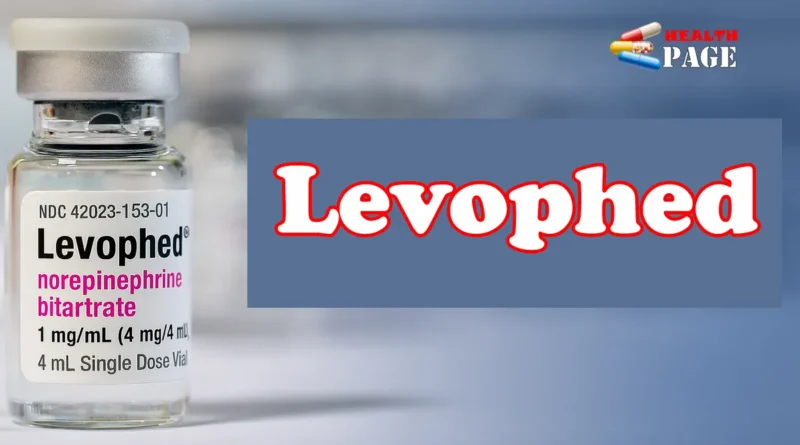
Levophed: 7 Powerful Benefits & Safe Dose You Must Know
When a loved one is in the intensive care unit, every medication feels critical. One name you may hear often is Levophed, a life saving drug used when blood pressure drops to dangerous levels. Understanding why it is used, how it works, and how doctors keep it safe can ease some anxiety during a stressful time.
This article explains what the medicine is, the major benefits in emergency care, how the infusion is adjusted, typical dosing ranges, and important side effects. It is designed for patients, families, and anyone who wants clear, trustworthy information in plain language.
Always remember. Only trained healthcare professionals should decide how and when to use levophed.
Levophed Uses in Emergency Care
Levophed is the brand name for norepinephrine, a medicine used in hospitals to raise very low blood pressure. It is a “vasopressor.” That means it tightens blood vessels, which helps push blood to vital organs.
It is almost always given in an intensive care or emergency setting. You will often see it running through a pump as a continuous IV infusion. The medical team adjusts the rate to keep blood pressure in a safe range.
Situations where levophed is often used include:
- Septic shock from severe infection
- Cardiogenic shock from a weak or damaged heart
- After major surgery with unstable blood pressure
- During severe allergic reactions causing vascular collapse
The goal is never to rely on this medicine alone. It is used to stabilize the patient while the team treats the cause of the shock.
1. Rapid Support for Dangerous Low Blood Pressure
When blood pressure drops very low, organs do not get enough oxygen. This can damage the brain, kidneys, heart, and other tissues within minutes to hours.
Levophed can increase blood pressure quickly. It acts on alpha receptors in blood vessels, causing them to tighten. This increases the pressure pushing blood through the body.
In a typical scenario:
- A patient arrives with very low blood pressure and confusion.
- IV fluids are started to expand blood volume.
- The team starts a levopressor infusion to raise blood pressure.
- Blood pressure improves within minutes as the dose is adjusted.
This rapid response can be life saving. It can prevent organ failure as other treatments take effect.
2. Helps Protect Vital Organs During Shock
The body tries to protect important organs in shock. It narrows some blood vessels and redirects flow. Still, this natural response is often not enough during severe illness.
Levophed supports that process in a controlled way. By raising blood pressure, it improves blood flow to:
- Brain
- Heart
- Kidneys
- Liver
- Intestines
Better blood flow can help:
- Preserve brain function
- Maintain urine output
- Reduce the risk of kidney failure
- Support heart pumping
A nurse may tell a family. “We saw urine output improve after we adjusted the drip.” This is a sign that kidney blood flow may be better.
3. Key Role in Treating Septic Shock
Septic shock is a life threatening complication of severe infection. Blood vessels become leaky and overly relaxed. Blood pressure drops despite large amounts of IV fluid.
In septic shock, levophed is often the first vasopressor chosen. It is supported by major critical care guidelines as a first line drug.
Why it is preferred in septic shock:
- It raises blood pressure without major increases in heart rate.
- It usually has fewer rhythm problems than some other options.
- It can be fine tuned in small adjustments on a pump.
A typical septic shock treatment plan may include:
- Prompt antibiotics
- IV fluids to restore volume
- A norepinephrine infusion to support blood pressure
- Oxygen or breathing support if needed
- Monitoring of lactate levels, urine, and organ function
The goal is to use the lowest helpful dose. As infection treatment works and the body recovers, the team will “wean” the infusion down slowly.
4. Flexible Levophed Drip for Precise Control
You will often hear staff talk about a “levophed drip.” This means a continuous IV infusion given through a pump. Using a drip allows very precise control.
Key features of the drip:
- The rate is set on an electronic pump.
- Nurses adjust the rate based on ordered targets.
- Blood pressure is tracked constantly or very frequently.
Because the pump is so precise, the doctor can:
- Start at a low rate
- Increase slowly until blood pressure reaches the goal
- Decrease little by little as the patient improves
For families, this may look like small changes on the pump screen. But even tiny adjustments can make an important difference in blood pressure and organ flow.
5. May Reduce the Need for Excessive Fluids
In early shock, IV fluids are critical. They help fill blood vessels and improve circulation. However, too much fluid can cause swelling in the lungs and tissues.
Levophed helps raise blood pressure by tightening vessels. That means doctors may not need to give as much fluid after an initial stage. This is especially helpful in:
- Patients with weak hearts
- People with kidney or liver disease
- Older adults prone to fluid overload
By combining fluids with the drip, the team can support pressure while reducing the risk of fluid related complications. The balance is individualized for each patient.
6. Buys Time While the Team Treats the Cause
Shock is a symptom, not a diagnosis. The real problem may be infection, bleeding, heart failure, or another condition. Levophed is not a cure. It is a bridge.
While the infusion holds blood pressure in a safer range, the team can:
- Give antibiotics for infection
- Control bleeding
- Open blocked arteries
- Support the heart with other therapies
- Correct severe allergic reactions
This “buying time” effect is one of the biggest benefits. It gives other treatments a chance to work while organ damage is limited as much as possible.
7. Safe Use When Doses Are Carefully Managed
Like any powerful medicine, safety depends on correct dosing and careful monitoring. A levophed dose is always ordered by a physician, often an intensivist, surgeon, anesthesiologist, or emergency physician.
Safety steps include:
- Weight based or standard dosing ranges
- Use of a central IV line when possible
- Continuous blood pressure monitoring
- Regular checks of heart rhythm and pulses
- Close watch for any signs of reduced blood flow to limbs
When these steps are followed, the medicine can be used safely in very sick patients. The risks are real but are weighed against the danger of uncontrolled shock.
Understanding Levophed Dose and Administration
This section offers general information only. It is not a guide for self treatment or dosing without supervision. Levopressors are high risk medications that must be managed by trained teams with full monitoring.
Typical Adult Dosing Ranges
Dose ranges can vary by hospital, guideline, and patient condition. Many adult protocols use ranges like those below.
Always follow institutional policies and the orders of the treating physician.
| Clinical Situation | Typical Starting Dose | Common Titration Range | Comments |
|---|---|---|---|
| General shock (adult) | 0.01–0.05 mcg/kg/min | 0.01–1 mcg/kg/min | Adjust every few minutes based on blood pressure. |
| Septic shock | 0.01–0.03 mcg/kg/min | Up to 0.5–1 mcg/kg/min, sometimes higher | Use the lowest dose that achieves target mean arterial pressure. |
| Fixed-dose protocols | 2–4 mcg/min | 2–30 mcg/min | Some centers use non–weight based dosing in adults. |
| High-dose rescue situations | Varies | May exceed typical ranges | Reserved for critical cases; requires expert oversight. |
Key points:
- The team starts low and increases until blood pressure improves.
- Each patient has a target, often based on “mean arterial pressure.”
- Doses can be different for smaller or larger body sizes.
- Children and newborns use very different dosing and require specialists.
You may see the nurse say. “We are at 0.08 now and titrating.” This refers to the infusion rate in mcg/kg/min or a similar unit.
Why It Is Usually Given as a Drip
Levophed is not usually given as a quick IV push in routine shock care. It works best as a steady infusion.
Reasons to use a continuous drip include:
- Very short half life, so effects fade quickly if stopped
- Need for fine control over blood pressure
- Ability to adjust rapidly to changes in the patient’s condition
Most hospitals mix the medication in a standard concentration prepared by the pharmacy. Nurses then connect the bag to an infusion pump. The pump’s accuracy is critical for safety.
Key Monitoring While on Therapy
Patients on a vasopressor infusion are usually in an ICU, emergency department, or operating room. Monitoring may include:
- Continuous blood pressure measurement
- Heart rhythm on a cardiac monitor
- Frequent checks of hands, feet, and skin color
- Urine output every hour or over short intervals
- Labs such as kidney function and lactate levels
If any sign suggests reduced blood flow to the heart, brain, or limbs, the team will re evaluate the dose. They may adjust other medications, fluids, or therapies as well.
Common Levophed Side Effects and Risks
Every medicine that affects blood vessels and the heart has potential downsides. Understanding possible problems can help families ask informed questions and recognize why staff watch so closely.
A levophed side effect may include:
- Headache or anxiety in awake patients
- Irregular heartbeats or palpitations
- Too much blood pressure rise
- Reduced blood flow to hands, feet, or other areas
- Tissue injury if the drug leaks outside the vein
More serious risks include:
- Dangerous heart rhythm problems
- Heart strain, especially in patients with heart disease
- Poor blood flow to the intestines or kidneys
- Skin breakdown or tissue death at the IV site
The risk of tissue injury is higher if the infusion runs through a small peripheral vein. For this reason, many hospitals prefer a central line in the neck, chest, or groin.
To reduce harm, teams:
- Check IV sites often for pain, swelling, or color change
- Use antidotes at the site if any leakage is suspected
- Adjust the dose if blood pressure becomes too high
- Combine levophed with other treatments to allow lower doses
Most patients receive the drug safely, but careful monitoring remains essential.
Who Needs Extra Caution With Levophed?
Certain patients may still need this vasopressor but require very careful balance. Examples include:
- People with severe coronary artery disease
- Patients with uncontrolled fast heart rhythms
- Those with advanced peripheral artery disease
- People with severe kidney or liver impairment
- Pregnant patients, depending on the situation
In these cases, the team weighs the danger of very low blood pressure against the risks of the drug. Sometimes they combine smaller doses with other medications to reduce strain on the heart and vessels.
If you have a history of heart disease or circulation problems, share it with the team if possible. Families can also tell staff what they know about the patient’s medical history.
How Long Do Patients Usually Stay on a Vasopressor Drip?
The duration varies widely. Some patients need support for only a few hours. Others may require several days or longer, depending on:
- The cause of shock
- How quickly the underlying problem is treated
- Kidney and heart function
- Age and overall health
Clinicians aim to use the smallest helpful dose for the shortest possible time. They reduce the infusion slowly, often in small steps, while watching:
- Blood pressure
- Heart rate
- Urine output
- Mental status
- Lab markers of organ function
If blood pressure holds steady after each reduction, they keep “weaning.” If it drops again, they may raise the dose back slightly and pause further reductions.
Supporting a Loved One Receiving This Medication
It can be frightening to see a pump running a strong medicine. Families often feel helpless. Yet your presence and questions can be very valuable.
Ways you can support your loved one:
- Ask the team what the main goal of the drip is today.
- Ask if blood pressure has been more stable over time.
- Share any changes you see in alertness or comfort.
- Help keep noise low and the room calm when possible.
You can also ask questions like:
- “Is the dose going up, down, or staying the same?”
- “What needs to improve before this medicine can be reduced?”
- “How are you watching for side effects?”
Healthcare teams respect thoughtful questions. Clear communication helps everyone stay aligned on the plan of care.
Frequently Asked Questions
Is levophed a cure for shock?
No. It is a support medication. It raises blood pressure and improves perfusion while the team treats the underlying cause, such as infection or bleeding.
Can levophed damage the heart?
It can stress the heart, especially at higher doses or in people with heart disease. That is why doctors weigh risks and benefits carefully and monitor the heart rhythm and function very closely.
Why does the infusion need a special IV line?
The medicine is concentrated and can harm tissues if it leaks outside the vein. A central line reduces this risk and allows safer, more reliable delivery in high risk patients.
Can someone go home on this medication?
No. It is given only in closely monitored settings like the ICU, operating room, or emergency department. It requires continuous observation, pumps, and frequent lab tests.
Why does the dose seem to change so often?
Blood pressure can change quickly in severe illness. Nurses adjust the pump based on the doctor’s orders to keep pressure within a safe target range. This is normal and expected.
What happens if blood pressure stays low even at high doses?
The team will re evaluate the entire situation. They may add other medications, give more fluids or blood, check for new problems, or consider advanced support options. Every step is highly individualized.
Conclusion: Using Levophed Wisely in Critical Care
Levophed plays a vital role in modern intensive care. It raises dangerously low blood pressure, protects vital organs, and buys time while doctors treat the root cause of shock. When given as a carefully controlled drip, with close monitoring and thoughtful adjustment, it can be both effective and reasonably safe.
Every levophed dose is a balance between risk and benefit. Trained teams use clear protocols, accurate pumps, and frequent checks to keep patients as safe as possible. Families support this process by asking questions, sharing details about the patient’s history, and offering steady emotional presence.
If you or a loved one are facing treatment with this medication, speak openly with your care team. Ask how long the drip may be needed, how they are watching for side effects, and what signs show that the illness is improving. Informed, compassionate partnership between families and clinicians can make a difficult time feel more understandable and a little less overwhelming.
This article is for educational purposes only and not a substitute for professional medical advice.
