
7 Powerful Debunking Myths in Gyne Health You Must Avoid
Gynecological health is often surrounded by silence, embarrassment, and misinformation. That is why Debunking common myths matters so much. When false beliefs guide personal care, they can delay diagnosis, worsen symptoms, and create unnecessary fear. Many women grow up hearing advice from family, friends, or social media that sounds convincing but lacks medical evidence.
In 2026, health misinformation spreads faster than ever. A short video, a viral post, or a wellness trend can shape choices before facts catch up. In gyne health, that can mean self-medicating infections, ignoring warning signs, or assuming discomfort is “normal.” The real risk is not only the myth itself. It is the confidence people place in half-truths.
This article takes a practical, evidence-based look at seven gyne health myths that deserve careful correction. The goal is not to shame anyone. It is to replace confusion with clarity. Effective debunking works best when it offers a better explanation, not just a contradiction. So for each myth, you will find the fact, why the myth survives, and what to do instead.
Why myths in gyne health spread so easily
Gyne health is deeply personal. Many people hesitate to ask questions, even during medical visits. That silence creates space for myths to grow.
A few reasons these misconceptions persist:
- Symptoms can feel private or embarrassing
- Hormones and cycles vary from person to person
- Social media rewards simple answers
- People trust advice from those they know
- “Natural” remedies are often marketed as safer than medical care
Psychology research also shows something important. If a false claim is repeated too often, people may remember the claim but forget the correction. That is why modern debunking avoids echoing myths more than necessary. It focuses on facts, plain language, and clear alternatives.
1. Myth: If symptoms go away, the problem is cured
Many people assume that once itching, discharge, or pelvic discomfort improves, the underlying issue is gone. That is not always true.
Fact: Symptom relief does not always mean full recovery
Some gynecological conditions become quieter before they fully resolve. Others may return because the root cause was never treated. Vaginal infections, bacterial imbalance, sexually transmitted infections, and even endometriosis can behave this way.
For example, someone may use an over-the-counter cream for irritation. The itching fades for a few days. But if the real issue was bacterial vaginosis, a fungal treatment may not solve it.
Why this myth is risky
It encourages delayed care. It can also lead to repeat infections or chronic inflammation.
Watch for patterns such as:
- Symptoms returning after a short break
- Pain during sex
- Bleeding between periods
- Ongoing unusual discharge
- Pelvic pressure or fever
What to do instead
Treat symptom relief as one clue, not a final answer. If symptoms were severe, recurring, or unusual, follow up with a clinician. This is where Debunking harmful assumptions protects long-term reproductive health.
2. Myth: Antibiotics fix every vaginal or pelvic infection
This is one of the most common misunderstandings in women’s health. It sounds logical because antibiotics fight bacteria. But not every infection is bacterial.
Fact: Different causes need different treatments
Gynecological symptoms may result from:
- Bacterial vaginosis
- Yeast infections
- STIs
- Urinary tract infections
- Skin irritation
- Hormonal changes
Antibiotics may help in some situations, but they can worsen others. For instance, unnecessary antibiotics may disrupt the vaginal microbiome and increase the risk of yeast overgrowth.
The vagina is not meant to be sterile. It relies on a balanced ecosystem of helpful bacteria, especially lactobacilli, to maintain healthy acidity and protect against infection.
Real-life example
A woman gets recurring burning and assumes it is a “persistent infection.” She takes leftover antibiotics from a past prescription. Her symptoms worsen. Later, testing shows a yeast infection and microbiome imbalance, not a bacterial illness.
What to do instead
Get tested when symptoms are new, strong, or recurring. Avoid using old prescriptions or a friend’s medication. Evidence-based care starts with identifying the cause.
For medically reviewed information on vaginal infections, the CDC sexually transmitted infections resource offers updated guidance.

3. Myth: Vaginal discharge is always a sign of infection
Discharge causes anxiety for many women, especially when it changes. But discharge is not automatically a warning sign.
Fact: Some discharge is normal and healthy
Normal discharge helps keep the vagina clean and lubricated. Its appearance can change with the menstrual cycle, ovulation, pregnancy, sexual activity, or hormonal birth control.
Healthy discharge is often:
- Clear, white, or slightly cloudy
- Mild in scent
- Non-irritating
- Variable through the month
A problem is more likely when discharge comes with:
- Strong or fishy odor
- Green, gray, or yellow color
- Itching or burning
- Pain
- Fever
Why this myth persists
People often hear “any discharge means infection,” because it is easy to remember. But it ignores the body’s normal rhythms.
A better way to think about it
Instead of asking, “Is there discharge?” ask, “Is this a significant change for me?” That simple shift supports better debunking and better self-awareness.
4. Myth: Painful periods are just something you must tolerate
Many women are taught to push through severe menstrual pain. They miss school, work, exercise, or sleep, and still believe it is normal.
Fact: Some period pain is common, but severe pain deserves evaluation
Cramping can happen during menstruation. But intense pain that interrupts life may point to a deeper issue, such as:
- Endometriosis
- Adenomyosis
- Fibroids
- Pelvic inflammatory disease
- Ovarian cysts
Pain is not a personal weakness. It is information.
When to seek help
Talk with a doctor if period pain:
- Keeps you from normal activities
- Gets worse over time
- Does not improve with standard pain relief
- Comes with heavy bleeding
- Causes pain during sex or bowel movements
Why early evaluation matters
Conditions like endometriosis are often diagnosed late. Many patients spend years being told their pain is “just bad cramps.” That delay can affect mental health, fertility, and quality of life.
Trusted symptom guidance is available through the ACOG menstrual health library.
5. Myth: Douching keeps the vagina cleaner and healthier
This myth has survived for decades, even though medical guidance has repeatedly advised against it.
Fact: Douching can disrupt the vagina’s natural balance
The vagina is self-cleaning. Douching can alter its pH and reduce healthy bacteria. That may raise the risk of irritation, bacterial vaginosis, and infection.
Here is a simple comparison:
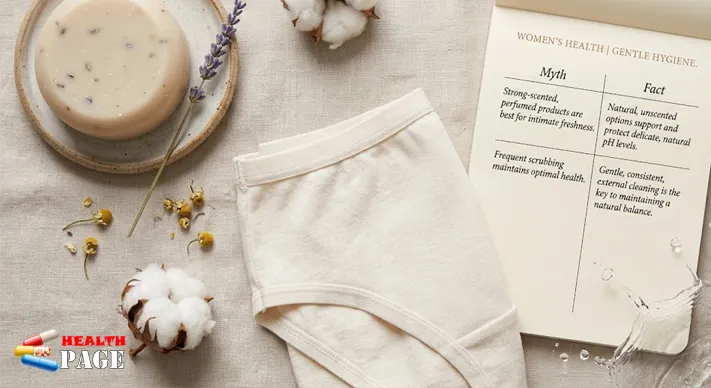
| Myth | Evidence-based fact | Why it matters |
|---|---|---|
| Douching improves cleanliness | The vagina cleans itself naturally | Extra products may cause imbalance |
| Scented products are safer | Fragrance can irritate sensitive tissue | “Fresh” does not equal healthy |
| More washing prevents infection | Over-cleaning can increase risk | Gentle external washing is enough |
| All discharge is dirty | Some discharge is normal | Misunderstanding leads to harmful habits |
What healthy hygiene actually looks like
- Wash the external vulva gently with water
- Avoid scented sprays and washes
- Change damp clothes promptly
- Use breathable underwear
- See a clinician for unusual symptoms
This is an important area for debunking myths in gyne health, because product marketing often turns insecurity into sales.
6. Myth: You only need gynecological care if you are pregnant or sexually active
This belief leaves many teens and adults without preventive care. Gyne health is not limited to pregnancy or sex.
Fact: Routine gynecological care supports health across life stages
People may need gynecological care for:
- Painful periods
- Irregular cycles
- PCOS symptoms
- Vaccination questions
- Hormonal changes
- Vulvar skin issues
- Menopause support
Adolescents may need guidance even before sexual activity begins. Perimenopausal and menopausal women also benefit from care, especially for bleeding changes, dryness, pelvic floor concerns, and urinary symptoms.
Why this myth harms care
It frames gyne health too narrowly. Preventive visits can identify issues early and give patients a safe place to ask questions they may never ask elsewhere.
A better mindset
Think of gynecological care as part of routine health maintenance, like dental care or vision exams.
For broader education, the Office on Women’s Health provides reliable, patient-friendly information.
7. Myth: Online advice is enough to diagnose gynecological problems
The internet can be useful, but it cannot examine you, test samples, or assess urgent symptoms in context.
Fact: Online content should guide questions, not replace diagnosis
Search engines and social media often compress complex conditions into short, catchy claims. That can create false certainty.
A symptom like pelvic pain may reflect many possible causes:
- Ovulation
- Fibroids
- Endometriosis
- UTI
- STI
- Ovarian cyst
- Gastrointestinal issues
Two people can share one symptom and have completely different diagnoses.
2026 trend: AI can help, but human oversight matters
AI-assisted fact-checking has improved. It can detect patterns in health misinformation and flag unsupported claims quickly. But even advanced tools cannot replace a licensed clinician’s judgment, physical examination, and testing.
This is where debunking becomes more than myth-busting. It becomes a trust-building skill. The best health content helps readers ask better questions and know when to seek care.
A practical filter for online claims
Before trusting advice, ask:
- Is the source medically reviewed?
- Does it explain exceptions and limits?
- Does it sell a product as the answer?
- Does it rely on fear or shame?
- Does it encourage proper medical evaluation?
How to spot misinformation in gyne health
Health misinformation often sounds confident. That is what makes it persuasive.
Look out for these red flags:
- “Doctors do not want you to know this”
- “One remedy works for everyone”
- “Natural means harmless”
- “If symptoms improve, you are cured”
- “Testing is unnecessary”
Effective Debunking uses a better model:
- Name the issue clearly
- Explain why the claim sounds believable
- Replace it with a stronger fact
- Offer a practical next step
That approach works because people need an explanation they can hold onto, not just a correction.
- signs your vaginal health may need attention
- when period pain is not normal
- how to prepare for a gynecologist appointment
FAQs
1. What is the biggest myth in gyne health?
One major myth is that symptom relief means a condition is cured. In reality, symptoms may fade while the underlying issue remains.
2. Is all vaginal discharge abnormal?
No. Some discharge is healthy and normal. Concern rises when it changes sharply in color, smell, or causes irritation.
3. Are antibiotics safe to take for any vaginal infection?
No. Antibiotics only help certain bacterial infections. They may worsen yeast-related problems or disrupt the vaginal microbiome.
4. Should painful periods always be tolerated?
No. Mild cramps are common, but severe or disabling pain should be assessed by a healthcare professional.
5. Is douching recommended for feminine hygiene?
No. Douching can disturb natural balance and increase irritation or infection risk.
6. Can I rely on social media to diagnose gynecological symptoms?
No. Social media may raise awareness, but it cannot provide a personal diagnosis. Persistent or severe symptoms need medical evaluation.
Conclusion
Gyne health myths survive because they often contain a grain of truth wrapped in oversimplified advice. But your body deserves more than guesswork. Thoughtful Debunking helps separate habit from evidence, fear from fact, and marketing from medicine. Whether the topic is discharge, menstrual pain, antibiotics, or hygiene, the pattern is the same: clear information leads to better decisions.
If something feels off, trust the signal and ask questions. Track symptoms, use reliable sources, and seek professional care when needed. The goal of debunking is not to make people anxious. It is to make them informed, confident, and supported.
References